




















In the intricate dance of wellness, inflammation often plays an unsung yet pivotal role. While it’s a natural defense mechanism, chronic inflammation can quietly fuel a host of health issues, from joint discomfort to more serious conditions. But what if the key to taming this invisible adversary lies not in a pill, but on your plate? Welcome to the flavorful world of anti-inflammatory eating, where every meal becomes an opportunity to soothe and heal. In this article, we’ll explore how mindful dietary choices can transform your body’s response to inflammation, blending science with the art of cuisine to create a path toward holistic health.
Foods That Fight Back: Embrace Anti-Inflammatory Ingredients
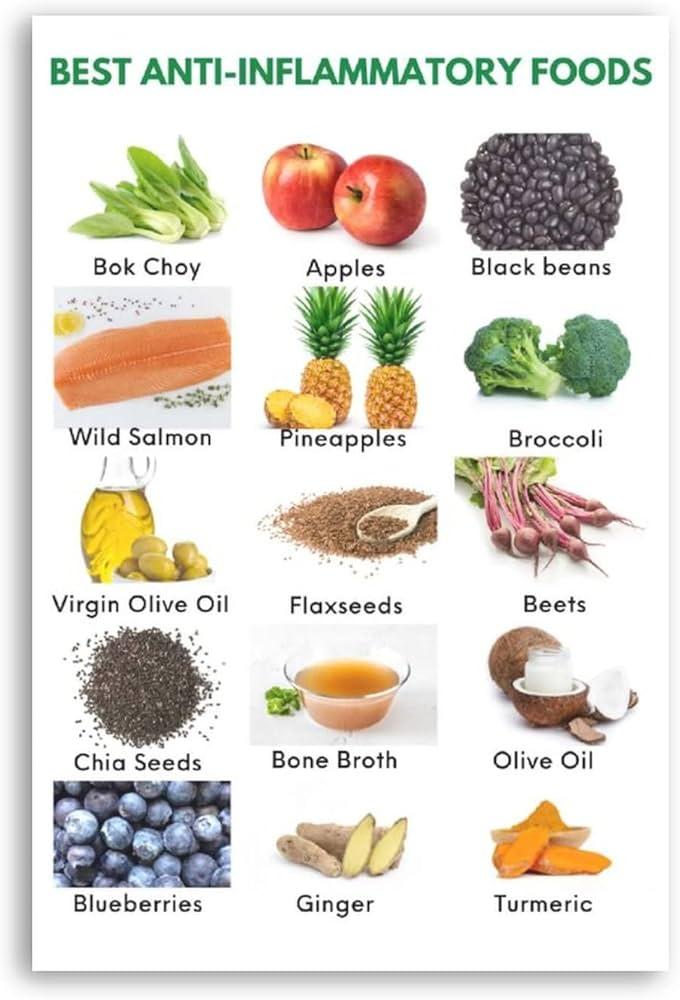
Revamp your meals with a vibrant palette of anti-inflammatory ingredients that can transform your health from the inside out. These powerful foods not only add zest and color to your plate but also combat inflammation at its core. Incorporating these ingredients into your diet can be a delightful culinary journey with lasting health benefits.
- Turmeric: Known for its golden hue and earthy flavor, turmeric contains curcumin, a potent anti-inflammatory compound. Add it to curries, soups, or even smoothies for a healthful boost.
- Ginger: This zesty root has been revered for centuries for its medicinal properties. Whether grated into stir-fries or steeped in tea, ginger is a versatile ally in the fight against inflammation.
- Leafy Greens: Kale, spinach, and Swiss chard are packed with antioxidants and vitamins. These greens can be tossed into salads, blended into smoothies, or sautéed as a side dish.
- Berries: Blueberries, strawberries, and raspberries are not only delicious but also rich in antioxidants known as flavonoids. Enjoy them fresh, in yogurt, or as a topping for oatmeal.
- Olive Oil: Swap out saturated fats for this heart-healthy oil, which contains oleocanthal, an anti-inflammatory compound. Drizzle it over salads or use it for sautéing.
By embracing these ingredients, you not only enhance your meals but also support your body’s natural defenses. A diet rich in these foods can be a delicious and effective strategy to manage inflammation and promote overall wellness.
Harnessing the Power of Spices: Nature’s Secret Weapon Against Inflammation
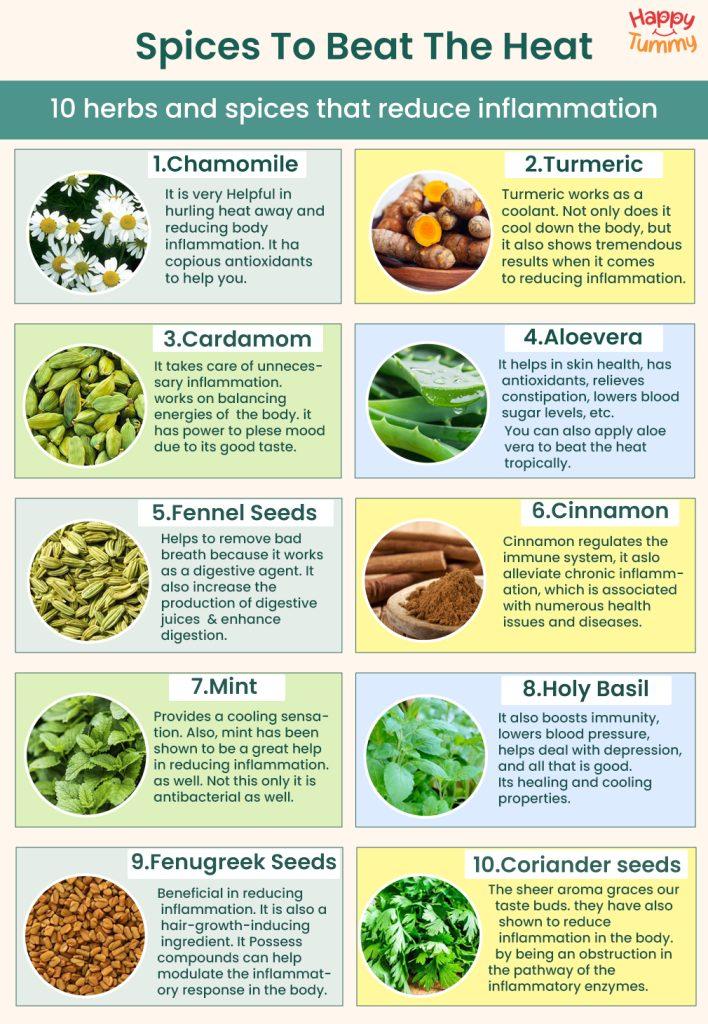
Delve into your spice cabinet and you’ll discover a treasure trove of nature’s most potent anti-inflammatory agents. These tiny flavor powerhouses not only enhance the taste of your meals but also work behind the scenes to combat inflammation. Turmeric, with its active ingredient curcumin, is revered for its ability to soothe inflammation, while ginger offers a zesty kick along with its anti-inflammatory properties. Cinnamon, often associated with sweet treats, can help lower inflammation markers in the body, making it a sweet ally in your health journey.
- Turmeric: Add a pinch to your soups or teas for a golden hue and health boost.
- Ginger: Perfect in smoothies or stir-fries, providing both flavor and relief.
- Cinnamon: Sprinkle over your morning oatmeal or coffee for a warming touch.
- Garlic: Use generously in your cooking to tap into its anti-inflammatory magic.
- Cloves: These small wonders can enhance your baked goods while fighting inflammation.
Integrating these spices into your daily diet not only enriches your culinary experience but also harnesses the healing power of nature. By choosing these natural enhancers, you’re taking a proactive step towards reducing inflammation and promoting overall well-being.

Balancing Omega-3 and Omega-6: The Essential Fatty Acid Equation
Understanding the delicate dance between omega-3 and omega-6 fatty acids is crucial for managing inflammation through diet. These essential fatty acids play vital roles in our body, yet maintaining the right balance can be a tricky endeavor. Omega-3s are renowned for their anti-inflammatory properties, while omega-6s, when consumed excessively, can promote inflammation. To harmonize their effects, it’s important to adjust your dietary habits thoughtfully.
- Incorporate more omega-3-rich foods: Consider adding flaxseeds, chia seeds, and walnuts to your meals. Fatty fish like salmon, mackerel, and sardines are also excellent sources.
- Be mindful of omega-6 intake: While omega-6s are necessary, try to reduce consumption of processed foods and oils high in omega-6, such as corn, soybean, and sunflower oil.
- Opt for balanced oils: Use olive oil or avocado oil, which have a more favorable omega-3 to omega-6 ratio.
By making these dietary adjustments, you can tip the scales towards an anti-inflammatory diet, potentially reducing chronic inflammation and promoting overall health. Remember, the goal is not to eliminate omega-6s, but to ensure they don’t overshadow the beneficial effects of omega-3s.

Navigating the Sugar Maze: Reducing Hidden Sugars for Better Health
Embarking on a journey to minimize hidden sugars can be a transformative step toward reducing inflammation and enhancing overall well-being. Hidden sugars lurk in unexpected places, from sauces and dressings to processed snacks and beverages. Identifying these covert culprits is crucial. Begin by scrutinizing ingredient labels for terms like ”fructose,” ”corn syrup,” and “maltose,” which often masquerade as harmless additives. Opt for whole, unprocessed foods where possible, and consider preparing meals at home to have full control over the ingredients.
Incorporating anti-inflammatory foods into your diet can further assist in combating the effects of excess sugar. Here are some tips to guide your choices:
- Embrace natural sweeteners: Use honey or maple syrup in moderation, as they have lower glycemic indices compared to refined sugars.
- Prioritize fiber-rich foods: Fruits, vegetables, and whole grains can help regulate blood sugar levels and reduce inflammation.
- Incorporate healthy fats: Foods like avocados, nuts, and olive oil provide anti-inflammatory benefits.
- Stay hydrated: Water and herbal teas can help flush out toxins and maintain overall health.
By making these mindful adjustments, you can navigate the sugar maze more effectively and pave the way for a healthier, inflammation-free lifestyle.