






















In the labyrinth of skincare advice, where serums and sunscreens reign supreme, an unexpected villain often lurks in the shadows: sugar. While celebrated for its role in culinary delights, sugar’s impact on our skin health is a topic stirring both curiosity and concern. As we unravel the sweet complexities of this ubiquitous ingredient, we delve into scientific studies and expert opinions to uncover whether sugar is a hidden saboteur of our skin’s vitality. Join us on this exploratory journey as we seek to answer a tantalizing question: Is sugar truly harmful to skin health, or is it simply misunderstood in the grand tapestry of skincare?
Sweet Saboteur: How Sugar Impacts Your Skin
When indulging in that extra slice of cake or a handful of candy, you might be sweetening more than just your taste buds. Sugar, while a delightful treat, can be a stealthy adversary to your skin’s well-being. The connection between sugar and skin health often revolves around a process called glycation. This biochemical reaction occurs when excess sugar in your bloodstream binds to proteins, forming advanced glycation end products (AGEs). These AGEs can damage collagen and elastin, the proteins responsible for maintaining skin’s firmness and elasticity, leading to premature aging and a loss of radiance.
- Acne and Breakouts: High sugar intake can spike insulin levels, which in turn increases oil production and may exacerbate acne.
- Inflammation: Sugar is known to promote inflammation, potentially worsening conditions like eczema and rosacea.
- Dehydration: Consuming too much sugar can also lead to dehydration, leaving skin looking dull and lifeless.
By understanding these effects, you can make informed choices about your diet and its impact on your skin, ensuring your complexion remains as vibrant as your sweetest memories.
The Science Behind Sugars Skin Aging Effects
While sugar is often associated with sweet treats and desserts, its impact on skin health is a topic of growing concern among dermatologists and skincare enthusiasts alike. At the molecular level, sugar can trigger a natural process known as glycation, where sugar molecules bind to proteins in the skin, forming harmful compounds called advanced glycation end products (AGEs). These AGEs can weaken collagen and elastin, the essential proteins that maintain the skin’s firmness and elasticity, leading to premature aging and the appearance of wrinkles.
- Collagen Degradation: Glycation can cause collagen fibers to become stiff and brittle, accelerating skin aging.
- Inflammation: Excessive sugar intake may lead to chronic inflammation, which can exacerbate skin conditions like acne and rosacea.
- Oxidative Stress: Sugar-induced glycation can increase oxidative stress, damaging skin cells and accelerating the aging process.
Understanding these biochemical reactions underscores the importance of moderating sugar consumption as part of a comprehensive skincare regimen. By being mindful of dietary choices, one can help preserve the skin’s youthful appearance and vitality.
Navigating Sugars Hidden Pathways to Skin Damage
In the bustling landscape of skincare, sugars often play the role of an unassuming villain. While the sweet indulgence of a sugary treat can offer momentary delight, the long-term effects on your skin can be far less pleasurable. Glycation, a process where excess sugar binds to proteins in the skin, leads to the formation of advanced glycation end products (AGEs). These AGEs wreak havoc by compromising collagen and elastin, essential proteins that keep skin supple and youthful.
As AGEs accumulate, the skin loses its elasticity, paving the way for wrinkles and sagging. Furthermore, sugar can exacerbate conditions such as acne and rosacea by triggering inflammation and increasing oil production. To protect your skin from these sugar-induced pitfalls, consider these strategies:
- Incorporate a balanced diet rich in antioxidants, which can combat the damaging effects of AGEs.
- Opt for skincare products with ingredients like retinol and vitamin C, known for their collagen-boosting properties.
- Maintain a consistent skincare routine to support skin health and resilience.
By understanding and navigating the hidden pathways through which sugar impacts skin health, you can make informed choices that help preserve your skin’s natural beauty.
Expert Tips for Reducing Sugars Impact on Your Skin
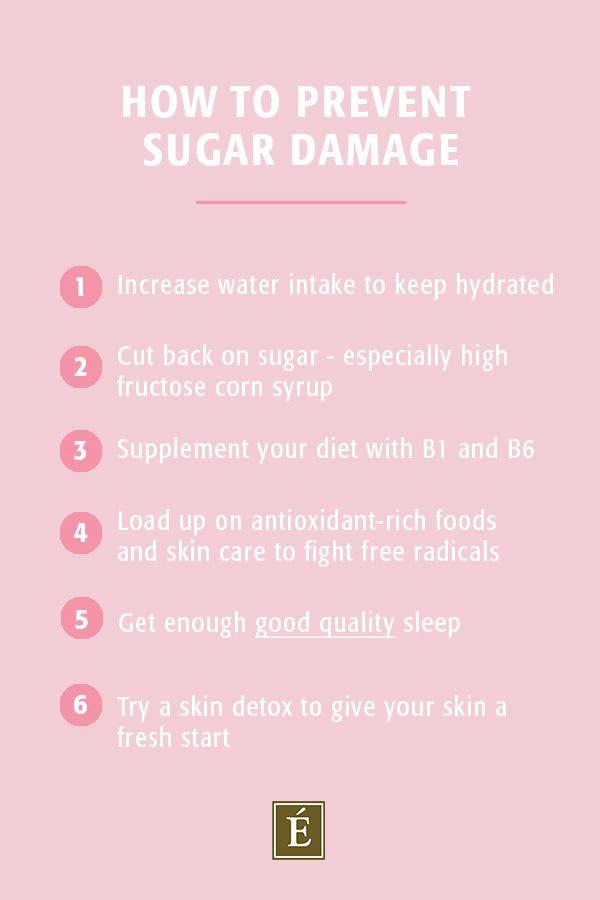
- Embrace a Balanced Diet: Consider incorporating more fruits, vegetables, and whole grains into your meals. These foods are rich in antioxidants, which help combat the oxidative stress that sugar can impose on the skin. Additionally, opting for natural sweeteners like honey or maple syrup in moderation can satisfy your sweet tooth without causing excessive harm.
- Stay Hydrated: Drinking plenty of water is crucial in maintaining skin elasticity and flushing out toxins. Keeping your skin hydrated can help counteract the dehydrating effects of sugar, leading to a more vibrant complexion.
- Prioritize Skincare: Incorporate products that contain ingredients like retinoids, vitamin C, and hyaluronic acid into your skincare routine. These components can help repair and protect your skin’s barrier, mitigating the impact of sugar-related glycation.
- Moderate Sugar Intake: While it’s challenging to eliminate sugar entirely, being mindful of your consumption can significantly reduce its negative effects on the skin. Reading labels and choosing products with lower sugar content can make a substantial difference.
By integrating these expert tips into your lifestyle, you can help protect your skin from the adverse effects of sugar, fostering a healthier and more radiant appearance.