
















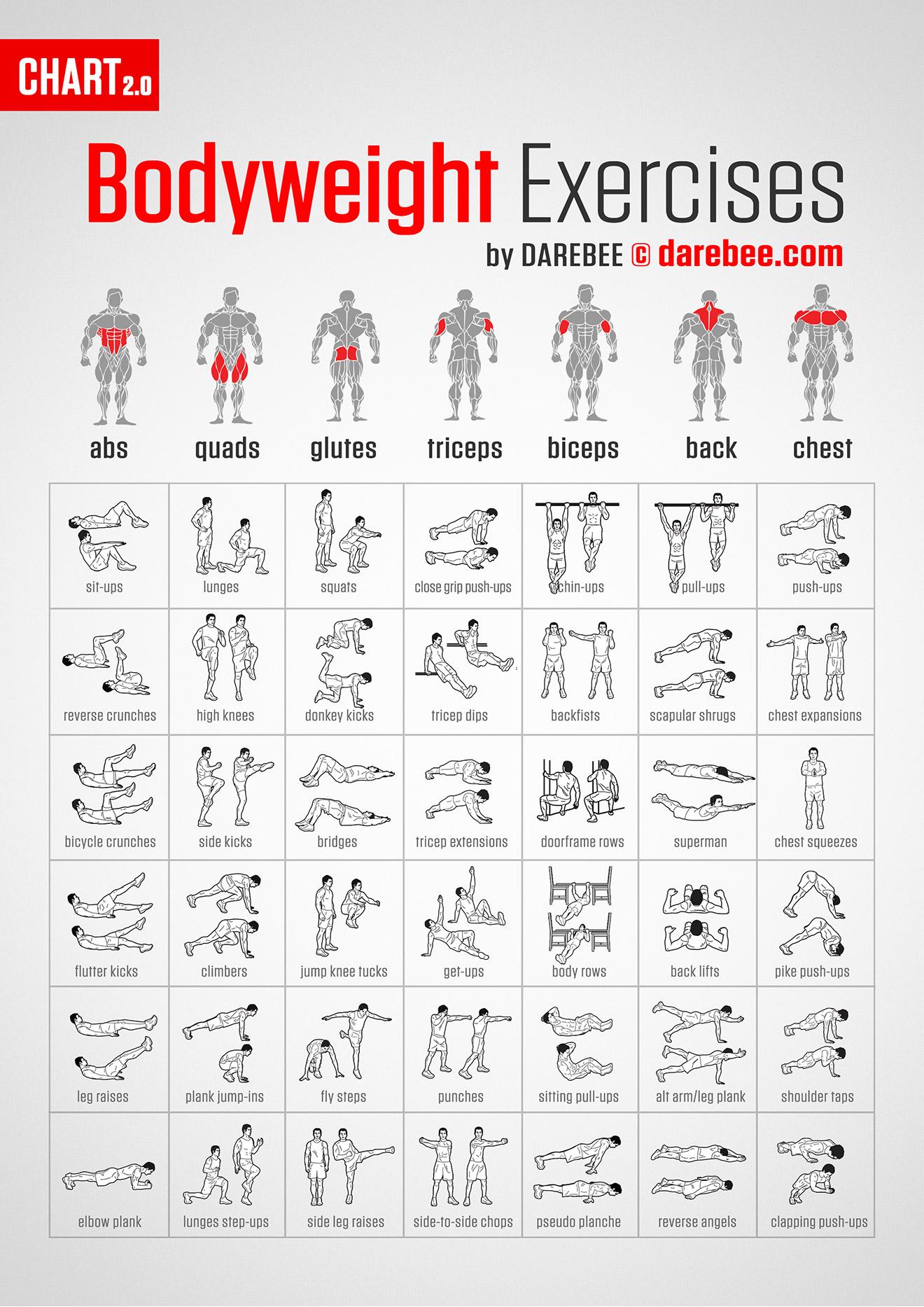
In a world where fitness trends come and go like fleeting gusts of wind, the quest for core strength remains a timeless pursuit. Beneath the surface of chiseled abs and taut torsos lies a powerhouse of stability and balance, crucial for everything from daily tasks to peak athletic performance. Enter bodyweight exercises—a minimalist yet mighty approach to sculpting the core without the need for fancy equipment or gym memberships. These exercises harness the weight of your own body to build strength from the inside out, offering a versatile and accessible path to a stronger core. Whether you’re a seasoned athlete or a fitness novice, this article will guide you through the art and science of using your own body as the ultimate tool for core empowerment.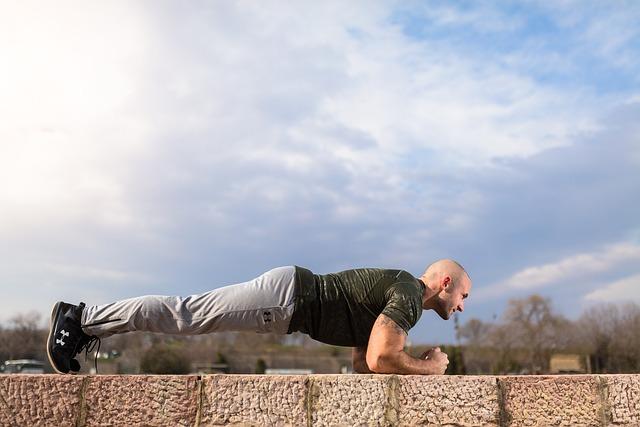 Plank for Unyielding Core Stability”>
Mastering the Plank for Unyielding Core Stability
Unlock the secret to rock-solid core strength by mastering the plank. This seemingly simple exercise is a powerhouse when it comes to building unyielding stability in your midsection. Unlike many exercises that isolate specific muscle groups, the plank engages your entire core, including the rectus abdominis, transverse abdominis, and obliques, while also recruiting your shoulders, back, and glutes. The beauty of the plank lies in its versatility, allowing for numerous variations that can cater to beginners and challenge seasoned fitness enthusiasts alike.
- Standard Plank: Start in a push-up position, with your forearms on the ground and elbows directly under your shoulders. Keep your body in a straight line from head to heels, engaging your core throughout.
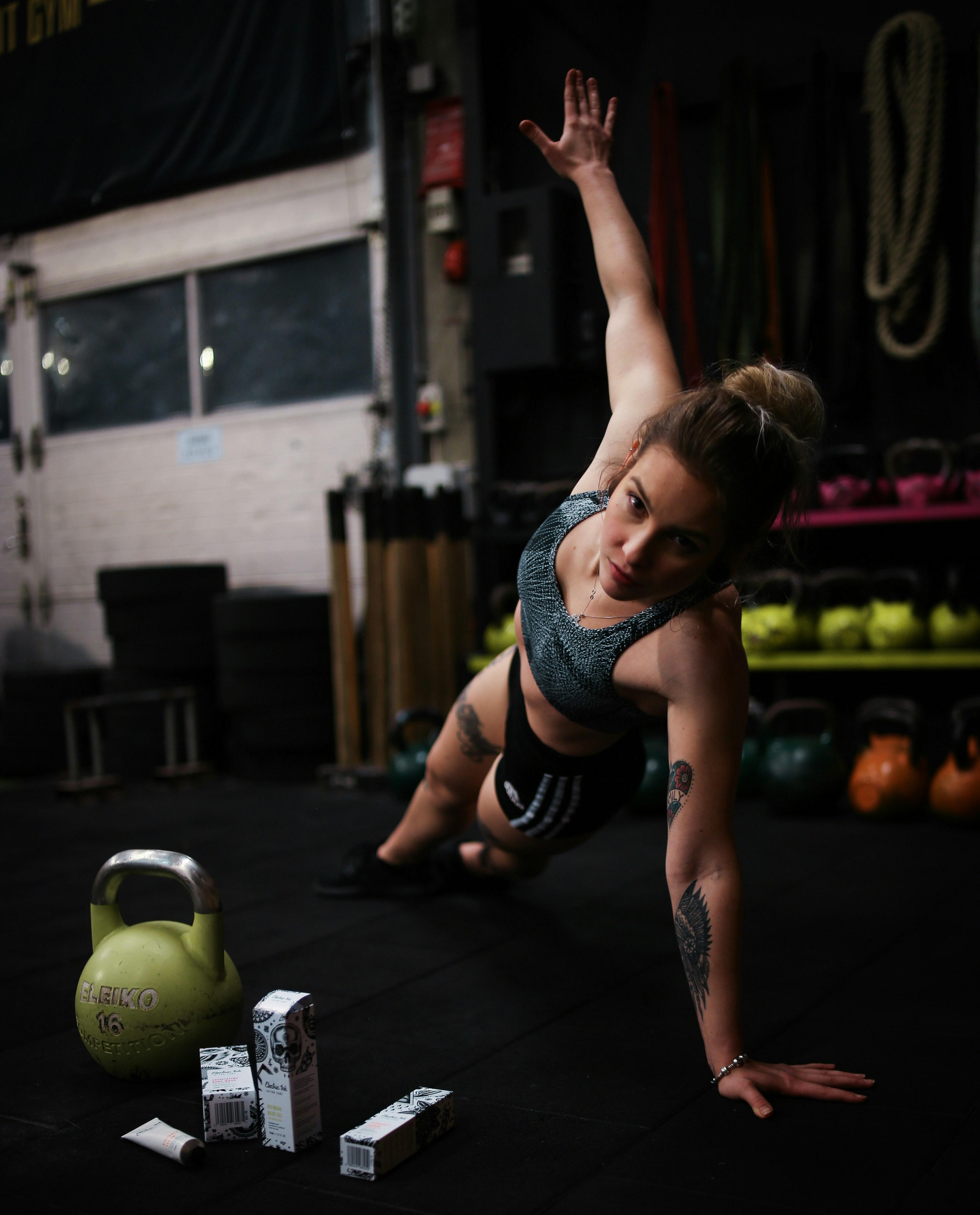
- Side Plank: Transition to balancing on one forearm and the side of your foot, stacking your feet and maintaining a straight body line to intensify the focus on your obliques.
- Plank with Leg Lift: From a standard plank position, lift one leg off the ground, hold, and switch to the other, challenging your balance and adding a dynamic element to your routine.
By incorporating these variations into your workout, you can progressively build endurance and strength, ensuring your core remains resilient and functional. Remember, consistency is key, and with dedication, you’ll find your plank prowess reaching new heights.
The Art of Controlled Breathing to Enhance Core Engagement
Harnessing the power of breath can significantly amplify your core workouts, transforming them from mundane routines into dynamic experiences. Controlled breathing acts as a bridge between mind and muscle, fostering a deeper connection and ensuring each movement is executed with precision. As you inhale, visualize your diaphragm expanding, drawing air into your lungs. This preparatory breath sets the stage for a focused contraction. Upon exhalation, actively engage your core muscles, feeling them tighten as if you are wrapping a protective belt around your midsection. This synchronization not only enhances core stability but also maximizes the effectiveness of each exercise.
To master this technique, consider the following tips:
- Practice diaphragmatic breathing: Lie on your back with one hand on your chest and the other on your abdomen. Breathe deeply, ensuring your stomach rises more than your chest.
- Incorporate breath holds: Briefly pause your breath at the peak of inhalation or exhalation to increase tension and awareness in your core.
- Maintain a rhythmic pattern: Establish a steady breathing rhythm to match the tempo of your exercises, creating a seamless flow between breath and movement.
Dynamic Movements to Revolutionize Your Core Workout
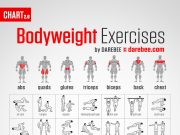
Unlock the potential of your core with an invigorating array of bodyweight exercises designed to elevate your strength and stability. Engage your entire midsection with moves that require no equipment, just the power of your own body. Here are some exercises to consider integrating into your routine:
- Plank Variations: From the traditional plank to side planks and plank jacks, these variations challenge your core from multiple angles, enhancing endurance and balance.
- Russian Twists: A staple for oblique strength, this exercise can be intensified by lifting your feet off the ground or adding a twist with a medicine ball.
- Hollow Body Hold: Embrace the burn as you maintain a hollow position, activating your deep core muscles and improving your overall core strength.
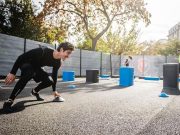
- Mountain Climbers: Not just a cardio booster, this dynamic move targets your abs while simultaneously working your shoulders and legs.
By incorporating these dynamic movements into your fitness regime, you will not only build a solid core but also enhance your body’s functional strength, promoting better posture and reducing the risk of injury.
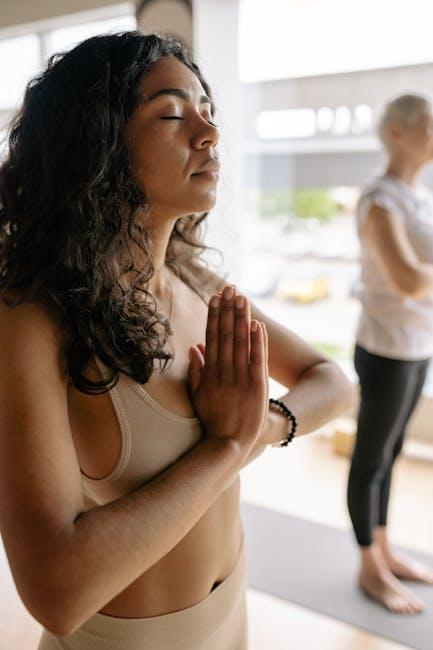
Balancing Act: The Role of Stability Exercises in Core Strength
In the realm of bodyweight exercises, stability movements play a crucial role in building core strength. These exercises not only target the superficial muscles but also engage the deeper layers of the core, enhancing balance and coordination. By incorporating stability challenges, such as holding positions or using unstable surfaces, you can activate the small, stabilizing muscles that are often overlooked in traditional workouts. This approach ensures a well-rounded development of the core, which is essential for maintaining proper posture and preventing injuries.
- Plank Variations: Engage your core with side planks, forearm planks, and plank holds on a stability ball to increase difficulty.
- Single-Leg Deadlifts: A balance-focused movement that strengthens the lower back and glutes while stabilizing the core.
- Bicycle Crunches: Targets the obliques and rectus abdominis, enhancing rotational stability and control.
- Bird Dogs: Promotes spinal alignment and core engagement by extending opposite arm and leg while maintaining balance.
These exercises emphasize the importance of stability in core workouts, providing a foundation for strength and functional movement. By regularly practicing these movements, you can achieve a resilient and balanced core that supports every aspect of physical activity.