




















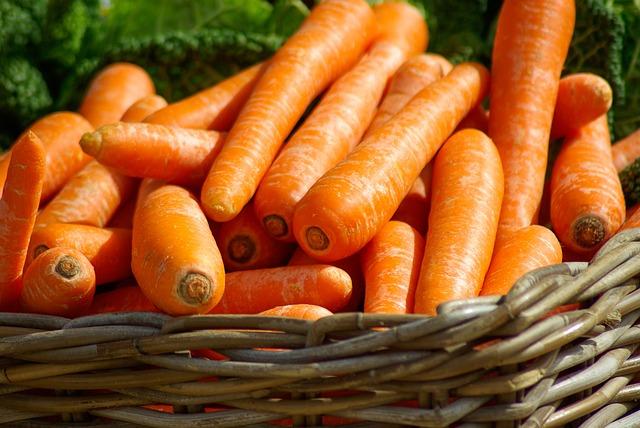
In a world where dietary choices often mirror personal philosophies, the question of whether to eat only organic vegetables has become a verdant topic of debate. Picture a bustling farmers’ market on a crisp morning, where vibrant rows of carrots, kale, and tomatoes vie for attention. Their labels, marked with the coveted “organic” seal, promise purity and health. Yet, as you wander the aisles, a thought lingers: Is this the best choice for my body and the planet? This article delves into the roots of organic farming, examines its nutritional and environmental claims, and explores the implications for our wallets and well-being. Join us as we sift through the soil of facts and myths to unearth whether a strictly organic vegetable diet is truly the harvest of a better life.
Understanding Organic: What Sets Organic Vegetables Apart
Organic vegetables are cultivated using practices that prioritize ecological balance and biodiversity. These methods eschew synthetic fertilizers, pesticides, and genetically modified organisms (GMOs). Instead, organic farming emphasizes natural fertilizers, crop rotation, and companion planting to enhance soil fertility and control pests. This approach not only fosters healthier ecosystems but also aims to produce vegetables that are free from harmful residues.
- No Synthetic Chemicals: Organic standards prohibit the use of synthetic pesticides and fertilizers, reducing the risk of chemical exposure.
- GMO-Free: Organic certification ensures that the vegetables are not genetically modified, appealing to those concerned about genetic engineering.
- Soil Health: Organic farming practices focus on maintaining and improving soil health through natural means, leading to potentially more nutrient-rich produce.
While the debate on nutritional superiority continues, many consumers choose organic for the peace of mind that comes with knowing their vegetables are grown in harmony with nature. Whether you should exclusively eat organic depends on your personal values and priorities regarding health, environmental impact, and sustainability.
Nutritional Value: Are Organic Vegetables Really Healthier
When it comes to the nutritional content of vegetables, the debate between organic and conventionally grown produce is as ripe as the harvest itself. Many proponents of organic farming suggest that these vegetables pack a more potent punch of vitamins and minerals. Research shows that organic vegetables can sometimes contain higher levels of antioxidants, which are compounds that help combat free radicals in the body. These antioxidants, such as flavonoids and carotenoids, have been linked to numerous health benefits, including reduced inflammation and a lower risk of chronic diseases.
However, the difference in nutritional value between organic and conventional vegetables isn’t always significant enough to declare a clear winner. Some studies suggest that the variance in nutrient content can be attributed more to factors like soil quality, farming practices, and vegetable type rather than the organic label itself. Here are some points to consider when choosing your veggies:
- Soil Health: The nutrient content is often dependent on the richness of the soil.
- Farming Techniques: Methods such as crop rotation and natural fertilizers can enhance nutritional value.
- Seasonal Variations: Vegetables grown in-season may offer more nutrients.

The Environmental Impact of Choosing Organic Produce
Choosing organic produce can have significant benefits for the environment, primarily due to the sustainable farming practices it promotes. Organic farming often avoids synthetic pesticides and fertilizers, relying instead on natural alternatives. This can lead to healthier soil, increased biodiversity, and reduced pollution. Here are some key environmental benefits of organic farming:
- Soil Health: Organic practices, such as crop rotation and the use of compost, improve soil fertility and structure, helping to sequester carbon and reduce erosion.
- Biodiversity: Organic farms tend to support more wildlife, including beneficial insects and native plants, fostering a balanced ecosystem.
- Water Conservation: By avoiding harmful chemicals, organic farming reduces water contamination and often employs more efficient irrigation methods.
While organic farming offers these environmental advantages, it’s essential to consider factors such as local availability and the carbon footprint of transporting organic produce. Balancing these aspects can help you make informed choices that align with both health and sustainability goals.

Making the Switch: Tips for Incorporating Organic Vegetables into Your Diet
Transitioning to a diet rich in organic vegetables can be a rewarding change for both your health and the environment. To make this shift smoothly, consider starting with a few staple vegetables that are easy to find and integrate into your meals. Spinach, carrots, and tomatoes are excellent choices due to their versatility and availability in organic form. Gradually increase the variety of organic produce in your diet as you become more comfortable with the change.
- Plan Your Meals: Crafting a weekly meal plan can help ensure that you’re incorporating a wide range of organic vegetables. This not only saves time but also reduces waste.
- Visit Local Markets: Farmers’ markets often have a diverse selection of fresh, seasonal organic produce. Engaging with local farmers can also provide insights into sustainable practices.
- Experiment with Recipes: Trying out new recipes that highlight organic vegetables can make meals more exciting and satisfying. Think roasted vegetable medleys, vibrant salads, or hearty soups.
Remember, the key is to enjoy the process and embrace the flavors and benefits that organic vegetables bring to your table.