




















In the vast ocean of skincare products, each promising to transform your skin into a canvas of perfection, discerning quality from clever marketing can feel like an art form. As shelves overflow with serums, creams, and cleansers, all adorned with enticing labels and exotic ingredients, the challenge becomes not just about finding a product that works, but one that genuinely cares for your skin. This guide aims to illuminate the path to understanding what truly defines a quality skincare product. Whether you’re a seasoned skincare enthusiast or a curious beginner, we will explore the key elements that separate the extraordinary from the ordinary, empowering you to make informed decisions in your quest for healthy, radiant skin.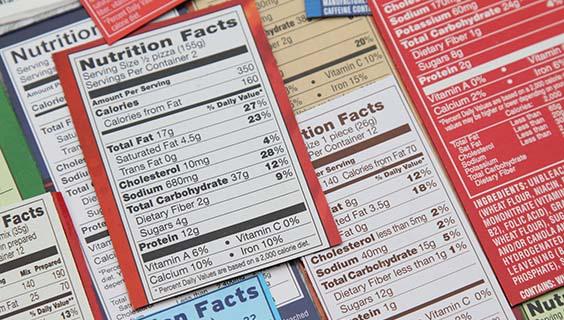
Decoding Ingredient Labels for Superior Skincare
Understanding the myriad of ingredients listed on skincare products can feel like deciphering a foreign language. Yet, unlocking this knowledge is key to ensuring the products you choose are truly beneficial for your skin. Ingredients are listed by concentration, from highest to lowest, so it’s crucial to focus on the first five ingredients. These are the backbone of the product’s formulation. Look for active ingredients like retinol, hyaluronic acid, or vitamin C, as these are proven to deliver results.
- Retinol: Known for its anti-aging properties.
- Hyaluronic Acid: Excellent for hydration.
- Vitamin C: Brightens and evens skin tone.
Be wary of harmful additives such as parabens, sulfates, and artificial fragrances, which can cause irritation or long-term damage. Natural alternatives like essential oils and plant extracts often provide safer, skin-friendly benefits. By scrutinizing these labels, you empower yourself to make informed decisions that align with your skincare goals, ensuring each product contributes positively to your regimen.
Navigating Certifications and Brand Transparency
Understanding the landscape of skincare certifications and brand transparency can be a game-changer in your quest for quality products. As consumers become increasingly aware of what they put on their skin, certifications serve as a beacon of trust. Look for labels such as USDA Organic, Leaping Bunny, or ECOCERT; these certifications indicate that the product has undergone rigorous testing and meets high standards for ingredient quality and ethical practices. However, not all certifications are created equal. Some brands might use ambiguous terms like “natural” or “clean” without any regulatory oversight, so it’s essential to dig deeper into what these labels truly represent.
On the flip side, brand transparency is equally vital. A transparent brand will openly share information about their ingredient sourcing, manufacturing processes, and sustainability practices. Here’s what to keep an eye out for:
- Ingredient lists that are clear and comprehensive, allowing you to understand exactly what’s in your product.
- Sourcing information that details where ingredients are procured and how they impact the environment.
- Commitment to sustainability, such as recyclable packaging or carbon-neutral operations.
Brands that prioritize transparency often build stronger consumer trust, ensuring that you know exactly what you’re applying to your skin. By being an informed consumer, you can confidently navigate the world of skincare, choosing products that align with your values and skincare goals.

The Role of pH and Formulation Stability in Skincare
The delicate balance of pH levels in skincare products is crucial for maintaining healthy skin. Our skin’s natural barrier, often referred to as the acid mantle, thrives at a slightly acidic pH. Skincare formulations that are too alkaline or too acidic can disrupt this balance, leading to irritation or breakouts. Quality products should aim for a pH that complements the skin’s natural environment, often ranging between 4.5 and 6.5. Understanding this can help consumers select products that enhance their skin’s health rather than compromise it.
Stability in formulation is another hallmark of high-quality skincare. A stable product maintains its effectiveness over time, resisting degradation from factors like light, air, and temperature. Look for products with ingredients that are known for their stability, such as vitamin C derivatives instead of pure vitamin C, which is prone to oxidation. Additionally, consider packaging that minimizes exposure to air and light, such as airless pumps or opaque containers. Key indicators of formulation stability include:
- Consistent texture and color over time
- Lack of separation or crystallization in the product
- Appropriate packaging that protects from environmental factors

Spotlight on Dermatologist-Recommended Products
In the vast universe of skincare, finding products that deliver on their promises can feel like searching for a needle in a haystack. Dermatologists often recommend looking for certain key attributes to help identify high-quality skincare products. First and foremost, ingredient transparency is crucial. A trustworthy product will list all its components, allowing you to make informed decisions. Look for active ingredients that are scientifically backed, such as hyaluronic acid, retinol, and vitamin C, which are known for their effectiveness in addressing various skin concerns.
Moreover, dermatologist endorsements and clinical testing can add an extra layer of credibility. Products that are dermatologically tested and approved often come with a seal of assurance. When browsing, keep an eye out for terms like non-comedogenic (won’t clog pores), hypoallergenic (less likely to cause allergic reactions), and fragrance-free (ideal for sensitive skin). Remember, the best skincare products are not necessarily the most expensive ones, but those that align with your specific skin type and needs.