


















In the intricate dance of nutrition, where every bite we take contributes to the symphony of our well-being, fiber emerges as an unsung hero. Often overshadowed by its more glamorous counterparts like vitamins and proteins, fiber quietly plays a pivotal role in maintaining a harmonious digestive system. Imagine your digestive tract as a bustling highway; fiber acts as the diligent traffic officer, ensuring a smooth flow and preventing any unwelcome gridlocks. In this exploration of fiber-rich foods, we delve into the myriad benefits they offer for digestion, unraveling the secrets of how these humble components can transform our gut health. Whether you’re a culinary adventurer or a cautious eater, understanding the power of fiber could be the key to unlocking a healthier, more balanced life.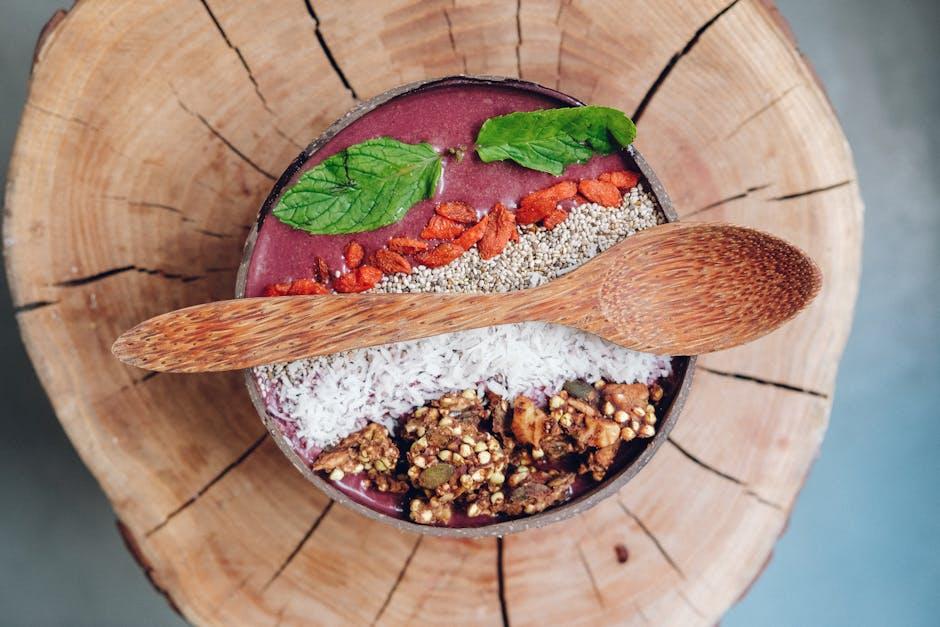 Fiber“>
Unlocking Digestive Health through Fiber
Fiber plays a pivotal role in maintaining a harmonious digestive system. It acts as a natural regulator, ensuring that the digestive tract functions smoothly and efficiently. Incorporating fiber-rich foods into your diet can lead to a multitude of benefits. Soluble fiber dissolves in water, forming a gel-like substance that helps slow down digestion. This process aids in stabilizing blood sugar levels and lowering cholesterol. On the other hand, insoluble fiber adds bulk to the stool, facilitating a quicker passage through the intestines and preventing constipation.
Embracing a diet abundant in fiber can lead to remarkable improvements in overall gut health. Here are some key advantages:
- Enhanced Digestive Regularity: Fiber helps maintain a healthy bowel movement rhythm, reducing the likelihood of digestive discomfort.
- Balanced Gut Microbiome: A diet rich in fiber fosters the growth of beneficial bacteria in the gut, promoting a balanced and thriving microbiome.
- Reduced Risk of Digestive Disorders: Consistent fiber intake is associated with a lower risk of developing conditions such as diverticulitis and irritable bowel syndrome.
Exploring Soluble and Insoluble Fiber Types
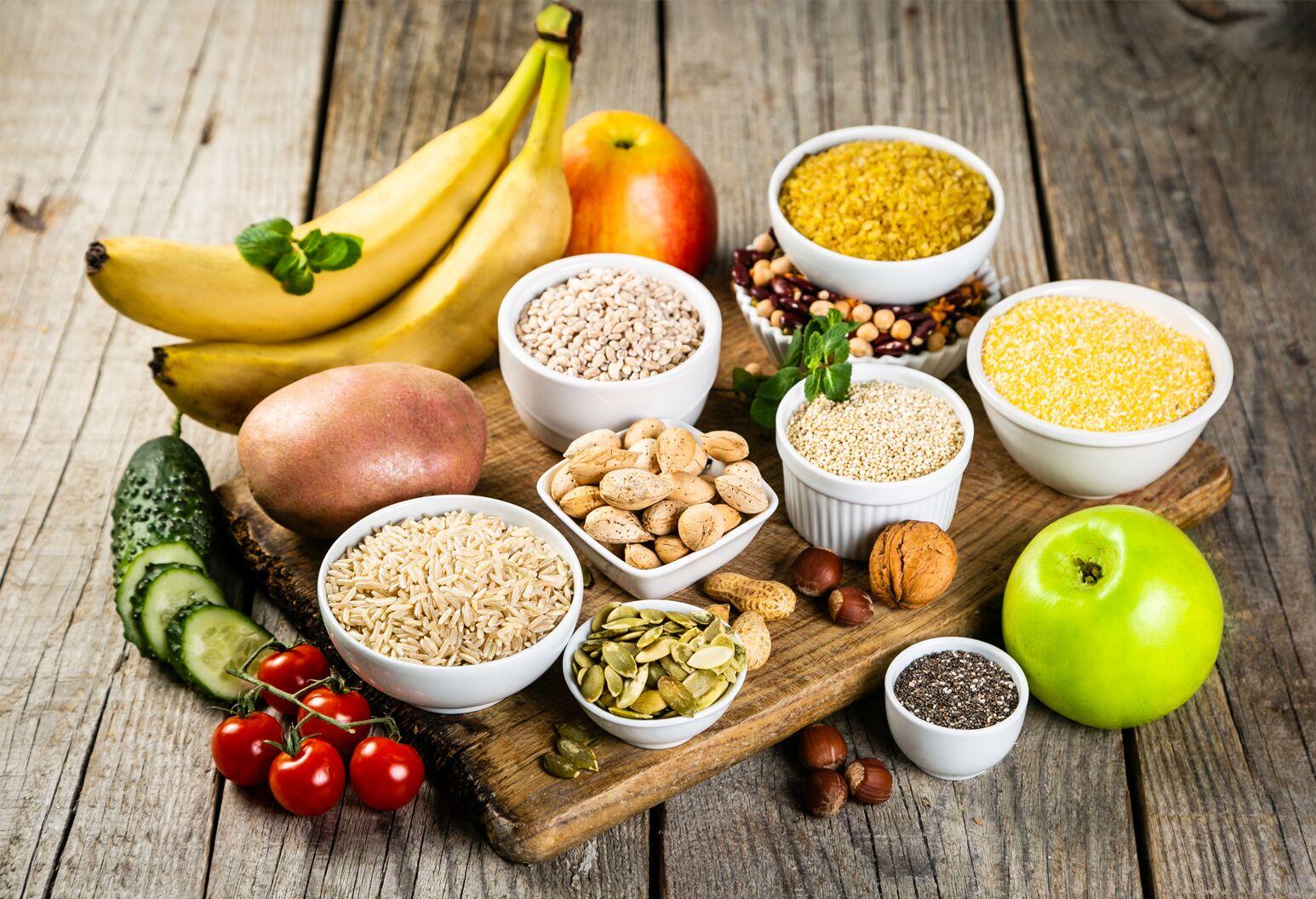
In the realm of dietary fiber, two main types stand out: soluble and insoluble. Each plays a unique role in promoting digestive health. Soluble fiber dissolves in water, forming a gel-like substance that helps to slow digestion, regulate blood sugar levels, and lower cholesterol. It can be found in foods such as oats, apples, and beans. On the other hand, insoluble fiber does not dissolve in water. It adds bulk to stool and aids in moving it through the digestive tract, which can prevent constipation. Foods rich in insoluble fiber include whole grains, nuts, and vegetables.
- Soluble Fiber Sources: Oats, barley, peas, citrus fruits.
- Insoluble Fiber Sources: Whole wheat flour, wheat bran, potatoes, cauliflower.
Incorporating a balanced mix of both fiber types into your diet can lead to a healthier gut. Soluble fiber is particularly beneficial for those managing blood sugar or cholesterol, while insoluble fiber is ideal for promoting regularity. By understanding and utilizing the distinct functions of these fibers, you can tailor your diet to suit your specific digestive needs.
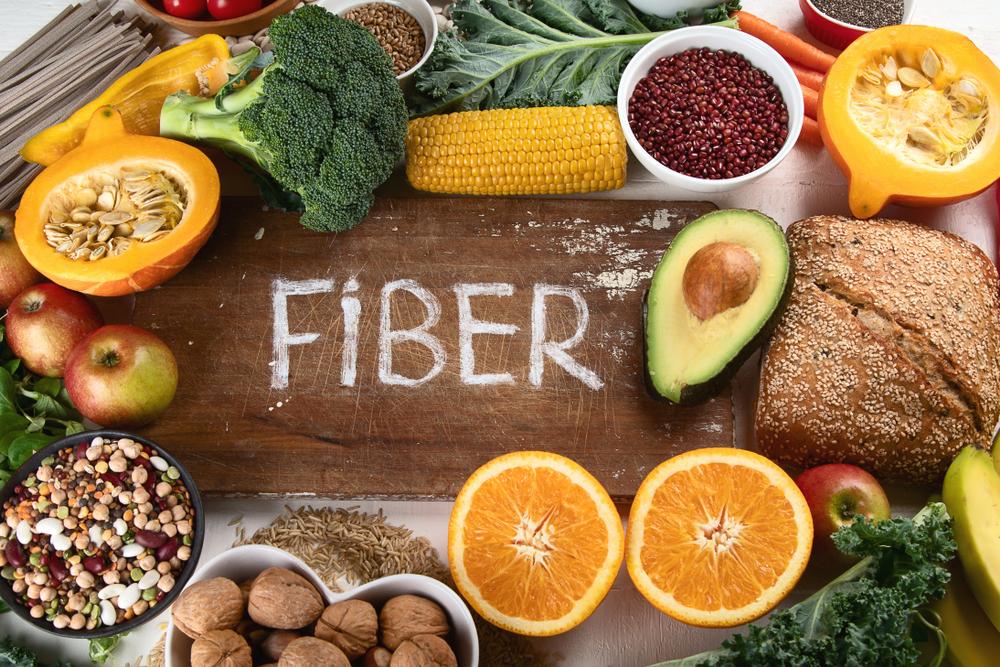
Practical Tips for Increasing Fiber Intake
Incorporating more fiber into your daily diet doesn’t have to be a daunting task. Start by adding whole grains to your meals. Opt for brown rice instead of white, or switch to whole-grain bread and pasta. These small swaps can significantly boost your fiber intake without much effort. Another simple change is to snack on fiber-rich foods like nuts, seeds, and fresh fruits. Keep a stash of almonds or a bowl of mixed berries at hand for those midday hunger pangs.
- Embrace legumes: Lentils, beans, and chickpeas are not only high in fiber but also versatile. Add them to salads, soups, or stews for a hearty meal.
- Don’t peel fruits and veggies: Whenever possible, consume the skin, as it’s often where the fiber is concentrated.
- Experiment with chia seeds: Sprinkle them on yogurt, blend them into smoothies, or make a chia pudding for a fiber-packed breakfast or dessert.
Remember to increase your fiber intake gradually to allow your digestive system to adjust, and drink plenty of water to help fiber do its job effectively. With these simple tips, you’ll be well on your way to a healthier, more fiber-filled diet.

Balancing Fiber with Hydration for Optimal Results
When integrating fiber-rich foods into your diet, it’s essential to pair them with adequate hydration to maximize their benefits. Fiber works by absorbing water, which helps to bulk up and soften stool, promoting regular bowel movements. Without sufficient water, however, fiber can become compacted in the digestive system, potentially leading to discomfort or constipation. Therefore, a balanced approach ensures that the digestive system operates smoothly and efficiently.
- Enhances Digestive Efficiency: Adequate hydration allows fiber to swell and move easily through the digestive tract, facilitating smoother transit and waste elimination.
- Reduces Bloating and Discomfort: Drinking water helps prevent the buildup of gas and bloating that can occur when fiber is consumed without enough liquid.
- Supports Overall Health: Proper hydration coupled with fiber intake can help maintain a healthy balance of gut bacteria, boosting overall digestive health.