





















In the quest for flawless skin, exfoliation often emerges as a celebrated hero, promising to slough away dead cells and reveal a radiant complexion. Yet, in the ever-evolving landscape of skincare, a new question has surfaced, challenging conventional wisdom: Can perfect skin be achieved without the ritual of exfoliation? As we delve into this intriguing inquiry, we explore the myriad paths to skin perfection, examining the roles of hydration, nutrition, and innovative skincare technologies. Join us on this journey as we unravel the mysteries of the skin’s natural renewal process and uncover whether exfoliation is truly indispensable in the pursuit of a luminous visage.
Understanding Skin Renewal: The Natural Exfoliation Process
Our skin is an extraordinary organ, constantly in a state of renewal through a natural process that many overlook. This intricate mechanism involves the shedding of dead skin cells to reveal the fresh, vibrant layers beneath. On average, a complete cycle of skin renewal takes about 28 days, but this can vary depending on age, health, and environmental factors. While this process is continuous, its efficiency can decline over time, often leading to a buildup of dead cells that might dull the complexion.
- Cell Turnover: This is the rate at which new skin cells are produced and old ones are shed. A healthy cell turnover is crucial for maintaining skin’s natural glow.
- Factors Influencing Renewal: Age, diet, hydration, and even stress levels can impact how effectively your skin renews itself.
- Visible Signs: When the natural exfoliation process slows, you might notice dryness, flakiness, or uneven skin tone.
While natural exfoliation is a remarkable process, its efficiency isn’t always sufficient to achieve the radiant skin many desire. This is where manual or chemical exfoliation can complement the natural cycle, assisting in the removal of stubborn dead cells and promoting a clearer, more even complexion. However, understanding and respecting your skin’s natural rhythm is key to achieving the balance necessary for healthy, glowing skin.
The Role of Moisturizers and Serums in Skin Health
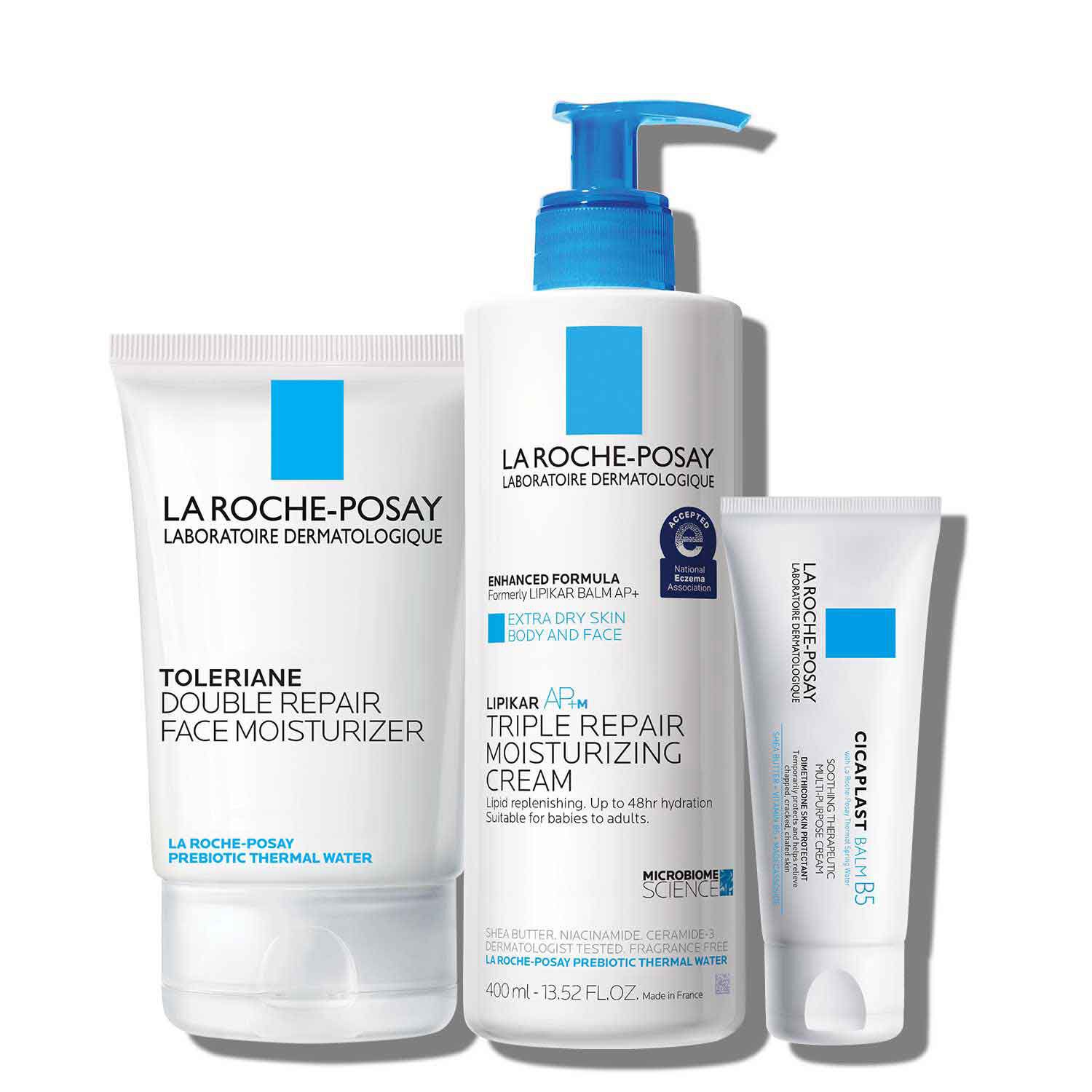
While exfoliation often takes center stage in discussions about achieving radiant skin, moisturizers and serums are unsung heroes that play pivotal roles in skin health. These products act as the skin’s first line of defense, providing essential hydration and nutrients that are crucial for maintaining a healthy barrier. Moisturizers, with their hydrating properties, ensure that the skin retains moisture, preventing dryness and irritation. They come in various forms such as creams, lotions, and gels, each tailored to meet different skin types and needs. Serums, on the other hand, are packed with concentrated ingredients like vitamins, antioxidants, and peptides that target specific concerns such as aging, dullness, or hyperpigmentation. Together, these products form a dynamic duo that supports the skin’s natural processes and enhances its ability to repair and rejuvenate itself.
- Hydration: Locks in moisture and prevents dryness.
- Nourishment: Delivers essential nutrients and vitamins.
- Protection: Shields against environmental stressors.
- Repair: Aids in skin cell regeneration and healing.
Incorporating the right combination of moisturizers and serums into your skincare routine can transform your complexion, even in the absence of exfoliation. By understanding and catering to your skin’s unique needs, you can achieve a balanced, glowing appearance that rivals the effects of regular exfoliation.

The Impact of Diet and Hydration on Skin Appearance
In the quest for radiant skin, many people overlook the profound influence that diet and hydration can have. While exfoliation is often touted as a key to achieving flawless skin, the nutrients you consume and the amount of water you drink play equally significant roles. Vitamins and minerals are the unsung heroes in this journey, contributing to skin elasticity and a healthy glow. Antioxidants found in fruits and vegetables help fight off free radicals, reducing signs of aging. Meanwhile, adequate hydration ensures that your skin remains supple and well-moisturized, minimizing the appearance of fine lines and wrinkles.
- Hydration: Drinking enough water flushes out toxins, leading to clearer skin.
- Balanced Diet: Incorporating omega-3 fatty acids and vitamins C and E can improve skin texture and brightness.
- Avoid Processed Foods: High sugar and salt content can lead to breakouts and puffiness.
By focusing on what you put into your body, you might find that you can achieve a more natural and sustainable glow without relying heavily on exfoliation. This inside-out approach to skincare not only enhances your skin’s appearance but also contributes to your overall health.

Balancing Skincare: When to Skip Exfoliation
In the quest for flawless skin, exfoliation often takes center stage. However, knowing when to skip this step can be just as crucial for maintaining a balanced skincare routine. Over-exfoliating can strip the skin of its natural oils, leading to irritation and increased sensitivity. Here are some situations where it might be best to give exfoliation a rest:
- After a Chemical Peel: Your skin needs time to recover from treatments that already involve exfoliating agents.
- When Experiencing Redness or Irritation: If your skin feels sensitive or looks inflamed, it’s a signal to ease up on any abrasive treatments.
- During Dry or Cold Weather: Harsh climates can already dry out your skin, so adding exfoliation might exacerbate dryness.
- When Using Retinoids: These powerful treatments already promote cell turnover, making additional exfoliation unnecessary and potentially harmful.
Remember, skincare is about balance. Sometimes, less is more when it comes to maintaining a healthy complexion. By understanding your skin’s needs and adjusting your routine accordingly, you can support your skin’s natural glow without over-relying on exfoliation.