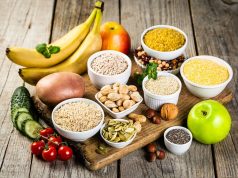






















In the fast-paced whirlwind of modern life, where convenience often trumps nutrition, finding harmony on your plate can feel like a daunting task. Yet, the art of crafting a balanced meal is not just a culinary skill but a gateway to a healthier, more vibrant you. Imagine each meal as a canvas, waiting to be painted with a palette of nutrients that nourish your body and delight your senses. In this exploration of culinary balance, we’ll uncover the secrets to transforming everyday ingredients into a symphony of flavors and wellness. Whether you’re a seasoned chef or a kitchen novice, join us on this journey to discover how to create a balanced plate every meal, one that satisfies both your taste buds and your nutritional needs.
Understanding Macronutrients and Their Roles
Every meal is an opportunity to fuel your body with the right nutrients, and understanding macronutrients is key to creating a balanced plate. Macronutrients, the nutrients required in larger amounts, include carbohydrates, proteins, and fats. Each plays a unique role in maintaining our body’s health and functionality.
- Carbohydrates provide energy. Think of them as the body’s primary fuel source. Incorporate whole grains, fruits, and vegetables to keep your energy levels steady throughout the day.
- Proteins are essential for growth and repair. They are the building blocks of tissues, muscles, and enzymes. Include a variety of protein sources such as lean meats, beans, and nuts to support your body’s maintenance and development.
- Fats are vital for brain health and hormone production. Choose healthy fats like avocados, olive oil, and fatty fish to ensure you get the necessary fatty acids without the excess saturated fats.
By incorporating a variety of these macronutrients in each meal, you can create a balanced plate that supports your overall well-being. Remember, moderation and diversity are the keys to a nutritious diet.
Color Your Plate with a Variety of Vegetables
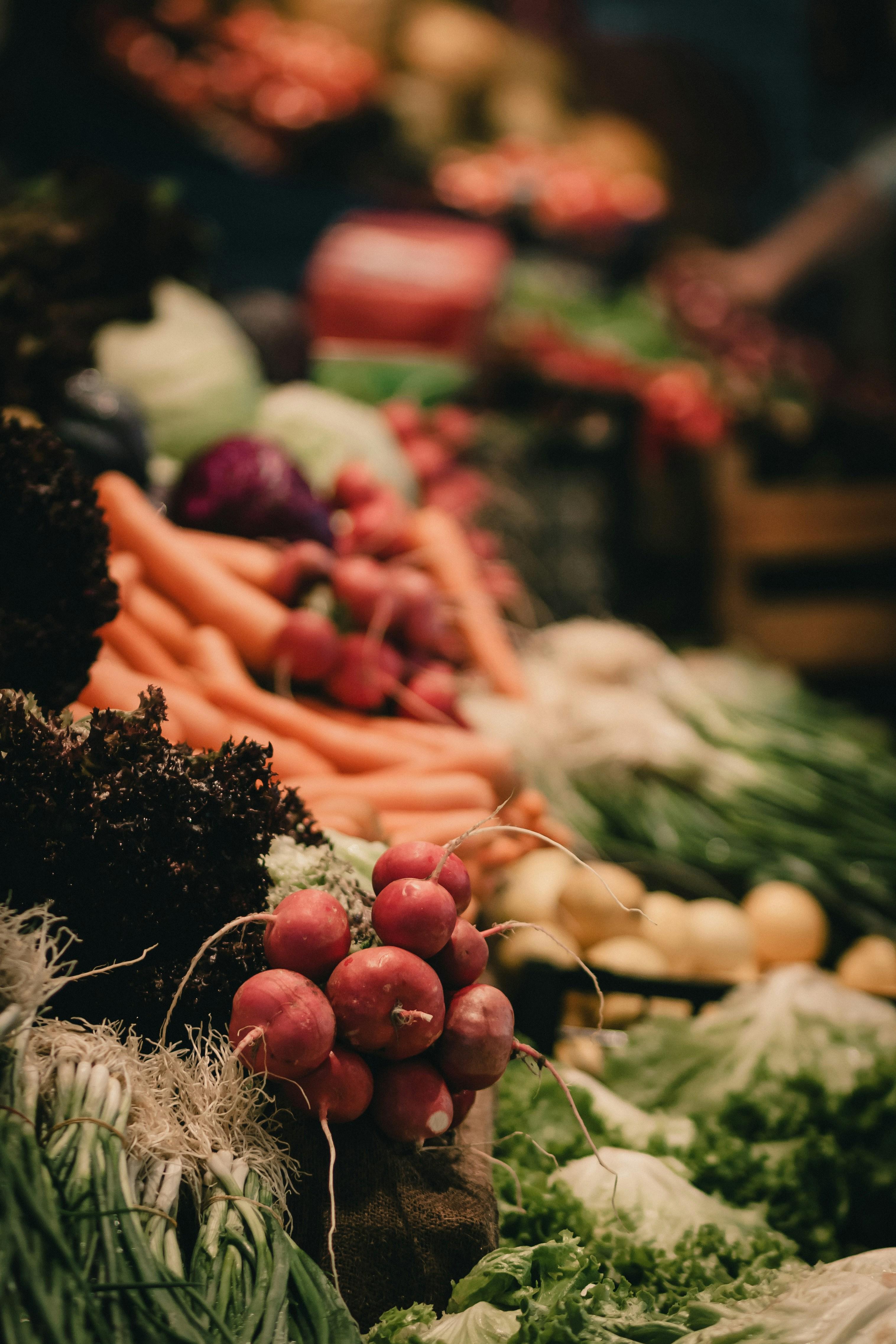
Transform your meals into a vibrant celebration of nutrients by embracing the full spectrum of vegetables. Incorporating a rainbow of colors on your plate not only enhances the visual appeal but also ensures a rich array of vitamins, minerals, and antioxidants. Consider adding the following vegetables to your meals:
- Red: Cherry tomatoes, red bell peppers, and radishes.
- Orange: Carrots, sweet potatoes, and butternut squash.
- Yellow: Corn, yellow bell peppers, and summer squash.
- Green: Spinach, broccoli, and Brussels sprouts.
- Blue/Purple: Eggplants, purple cabbage, and beets.
- White/Brown: Cauliflower, mushrooms, and onions.
Each color group provides unique health benefits, from the heart-healthy properties of red vegetables to the immune-boosting effects of green ones. Experiment with different combinations and cooking methods, such as roasting, steaming, or grilling, to discover new flavors and textures. By diversifying your vegetable intake, you create a well-rounded meal that supports overall wellness and keeps your taste buds delighted.

The Importance of Portion Control and Serving Sizes
Crafting a balanced plate involves more than just choosing the right foods; it’s about understanding the significance of portion control and serving sizes. Maintaining the right portions ensures that your meals are nutritious without being excessive, helping you avoid overeating while still getting the essential nutrients your body needs. Here are some key aspects to consider:
- Visual Cues: Use your plate as a visual guide. Aim to fill half with colorful vegetables, a quarter with lean protein, and the remaining quarter with whole grains.
- Mindful Eating: Pay attention to hunger cues and savor each bite, which can help you better recognize when you’re full.
- Measurement Tools: Employ measuring cups or a food scale to ensure your portions align with dietary recommendations, especially for calorie-dense foods.
By incorporating these practices into your meal planning, you not only support a balanced diet but also cultivate healthier eating habits that can be maintained in the long term.

Incorporating Healthy Fats and Lean Proteins
Crafting a well-rounded meal involves more than just selecting colorful vegetables and whole grains. Adding healthy fats and lean proteins is essential to ensure that your plate supports both energy and satiety. Healthy fats, such as those found in avocados, nuts, and olive oil, not only enhance the flavor of your dishes but also provide vital nutrients that support brain function and heart health. When choosing proteins, consider options that are low in saturated fat yet rich in essential amino acids, like skinless poultry, fish, tofu, or legumes.
- Healthy Fats: Avocados, nuts (almonds, walnuts), seeds (chia, flax), and oils (olive, coconut).
- Lean Proteins: Skinless chicken or turkey, fish (salmon, cod), legumes (lentils, chickpeas), and tofu.
By thoughtfully incorporating these elements into your meals, you not only elevate the nutritional profile of your diet but also foster a sense of balance and satisfaction. Experiment with different combinations and cooking methods to keep your meals exciting and flavorful, ensuring that each bite is as nourishing as it is delicious.