





















In the bustling world of adolescence, where the quest for identity and self-discovery is as relentless as the ticking of the clock, a new trend is emerging amidst the familiar pursuits of academics, social connections, and extracurricular activities. This trend, lifting weights, has captured the curiosity and enthusiasm of many teens, sparking a lively debate among parents, educators, and fitness experts alike. As young individuals stand on the threshold of adulthood, the question arises: should teens embrace the weights? This article delves into the multifaceted world of teenage weightlifting, exploring the potential benefits, risks, and considerations that accompany this increasingly popular endeavor. Through a balanced lens, we aim to shed light on the intricate dynamics of youth strength training, helping readers navigate this pivotal decision with informed clarity.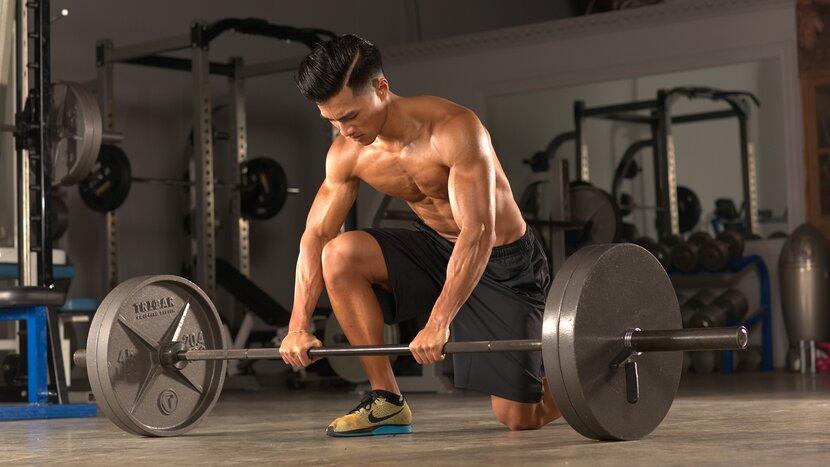
Understanding the Benefits of Weightlifting for Teenagers
When it comes to building a strong foundation for lifelong fitness, weightlifting offers numerous advantages for teenagers. Engaging in a structured weightlifting program can enhance physical health and foster mental resilience. By focusing on proper technique and gradually increasing resistance, teens can improve muscle strength, bone density, and overall athletic performance. Not only does this promote a healthier body, but it also lays the groundwork for injury prevention, which is crucial during the developmental years.
In addition to the physical benefits, weightlifting can significantly boost self-esteem and mental well-being. As teens witness their own progress and personal records, they gain a sense of accomplishment and self-confidence. This can translate into other areas of life, encouraging a positive mindset and greater resilience. Some key benefits include:
- Improved Strength: Regular weightlifting helps build muscle mass and strength, supporting better performance in various sports and daily activities.
- Enhanced Bone Health: Resistance training increases bone density, which is vital during the growth spurts typical in teenage years.
- Mental Discipline: Developing a routine and sticking to it fosters discipline and a sense of responsibility.
- Body Awareness: Understanding how the body moves and responds to exercise can lead to improved posture and coordination.
By adopting a balanced approach, teens can reap the rewards of weightlifting while maintaining a healthy relationship with fitness.
Addressing Common Myths and Concerns about Teen Weightlifting
When it comes to teens and weightlifting, numerous myths and concerns often surface, creating a cloud of confusion. One common misconception is that lifting weights can stunt growth. However, research shows that with proper technique and supervision, strength training can be safe and beneficial for adolescents. Another prevalent myth is the fear of excessive muscle bulk, which can be off-putting for some teens. In reality, due to hormonal differences, it’s unlikely for teens to develop large muscles without a targeted and intense regimen.
Concerns also arise around the potential for injury. To mitigate this, it’s essential for teens to focus on:
- Proper form and technique
- Gradual progression in weight and intensity
- Balanced workouts incorporating different muscle groups
Engaging in weightlifting with these precautions not only enhances physical strength but also boosts self-esteem and discipline, making it a valuable addition to a teen’s fitness journey.
Crafting a Safe and Effective Weightlifting Routine for Teens
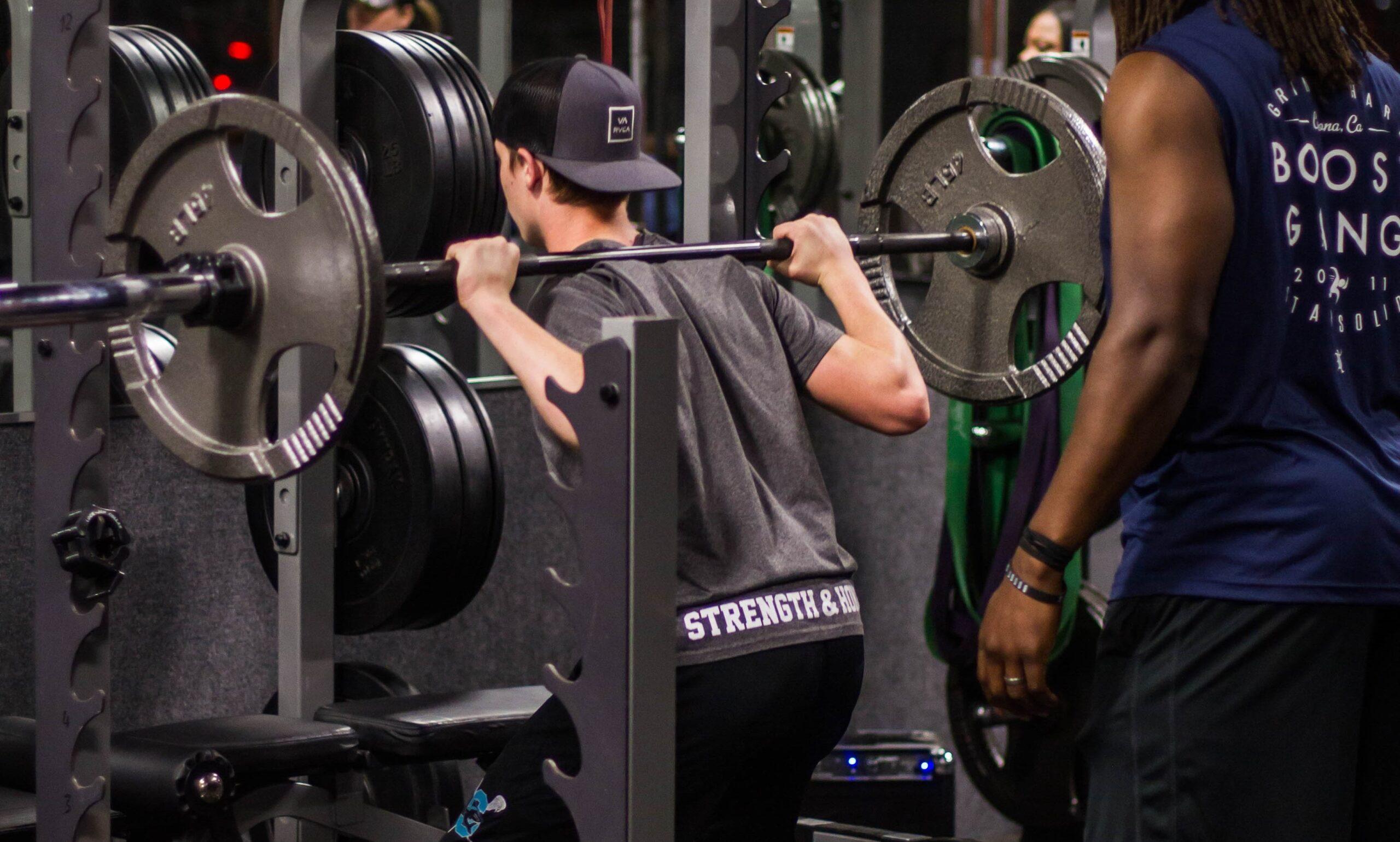
Creating a weightlifting routine for teens requires a balanced approach that prioritizes safety and fosters a positive attitude towards fitness. It’s crucial to focus on proper form and gradual progression to minimize the risk of injury and ensure long-term success. Teens should start with lighter weights to master the basics and progressively increase the load as their strength and confidence grow. Incorporating a variety of exercises can help build a well-rounded physique and keep workouts engaging.
- Warm-up: Begin with dynamic stretches or light cardio to prepare the muscles.
- Technique: Emphasize correct posture and controlled movements over lifting heavy weights.
- Variety: Include compound exercises like squats, lunges, and bench presses, along with isolation exercises.
- Recovery: Ensure adequate rest between workouts to allow muscles to repair and grow.
- Nutrition: Maintain a balanced diet rich in protein, carbohydrates, and healthy fats to support energy levels and muscle development.
By focusing on these elements, teens can build a strong foundation for lifelong fitness while enjoying the benefits of strength training. Encouraging a positive mindset towards physical activity can also contribute to a healthier lifestyle overall.

Expert Recommendations for Teen Weightlifters and Their Parents
When it comes to teens engaging in weightlifting, experts emphasize a balanced approach that prioritizes safety and long-term health benefits. Here are some key recommendations:
- Start with Professional Guidance: It is crucial for teens to learn proper techniques from a certified coach or trainer. This helps in preventing injuries and ensures that the exercises are performed correctly.
- Focus on Form Over Weight: Encouraging teens to perfect their form before increasing weights can significantly reduce the risk of injury. Proper form is the foundation of effective and safe weightlifting.
- Incorporate a Well-Rounded Routine: A balanced workout plan should include strength training, flexibility exercises, and cardiovascular activities. This holistic approach supports overall physical development.
For parents, staying informed and involved is key. Monitoring progress and ensuring teens have access to nutritious meals can greatly enhance their weightlifting journey. Open communication about their goals and any concerns is also essential in supporting their physical and mental well-being.