






















In a world increasingly defined by digital interactions and fleeting connections, the art of fostering positive relationships stands as a beacon of hope and fulfillment. At the heart of every meaningful relationship lies a tapestry woven with trust, understanding, and mutual respect. These threads, though delicate, have the power to bind us together in ways that transcend mere acquaintanceship, offering solace, joy, and a sense of belonging. Whether it’s nurturing friendships, strengthening familial bonds, or enhancing professional collaborations, the journey to cultivating these connections is both an art and a science. In this article, we will explore diverse and practical ways to nurture and sustain positive relationships, unveiling the subtle nuances that can transform everyday interactions into lasting and enriching experiences. Join us as we delve into the dynamics of human connection, where every gesture and word has the potential to create ripples of positivity in the tapestry of our lives.
Cultivating Trust Through Open Communication
Open communication is the cornerstone of any thriving relationship, be it personal or professional. It involves the willingness to share thoughts and feelings transparently, fostering an environment where individuals feel heard and valued. This can be achieved by practicing active listening, where you give your full attention to the speaker and respond thoughtfully. Transparency is another critical component; being open about your intentions and feelings can prevent misunderstandings and build mutual respect.
- Encourage feedback: Create a culture where feedback is not only welcomed but actively sought. This can help address issues before they become significant problems.
- Practice empathy: Put yourself in the other person’s shoes to better understand their perspective, fostering a deeper connection.
- Clarify expectations: Clearly define roles and responsibilities to prevent confusion and ensure everyone is on the same page.
- Be consistent: Regular communication builds trust over time, as it demonstrates reliability and commitment.
By integrating these practices into daily interactions, relationships can be strengthened, paving the way for a more harmonious and productive environment.

The Art of Empathy in Building Strong Connections
Empathy is an essential skill that can transform how we connect with others, laying the foundation for meaningful and lasting relationships. By genuinely understanding and sharing the feelings of others, we create an environment of trust and openness. Here are some strategies to cultivate empathy in your interactions:
- Active Listening: Pay close attention to what the other person is saying, without interrupting or planning your response. This demonstrates respect and makes the speaker feel valued.
- Non-Verbal Cues: Be mindful of body language, facial expressions, and tone of voice. These subtle signals can convey empathy more effectively than words alone.
- Perspective-Taking: Try to see the situation from the other person’s point of view. This helps in understanding their emotions and reactions better.
- Open-Ended Questions: Encourage deeper conversation by asking questions that require more than a yes or no answer, allowing the other person to express themselves fully.
Incorporating these techniques into daily interactions can enhance your ability to connect on a deeper level, fostering relationships that are built on mutual understanding and compassion.
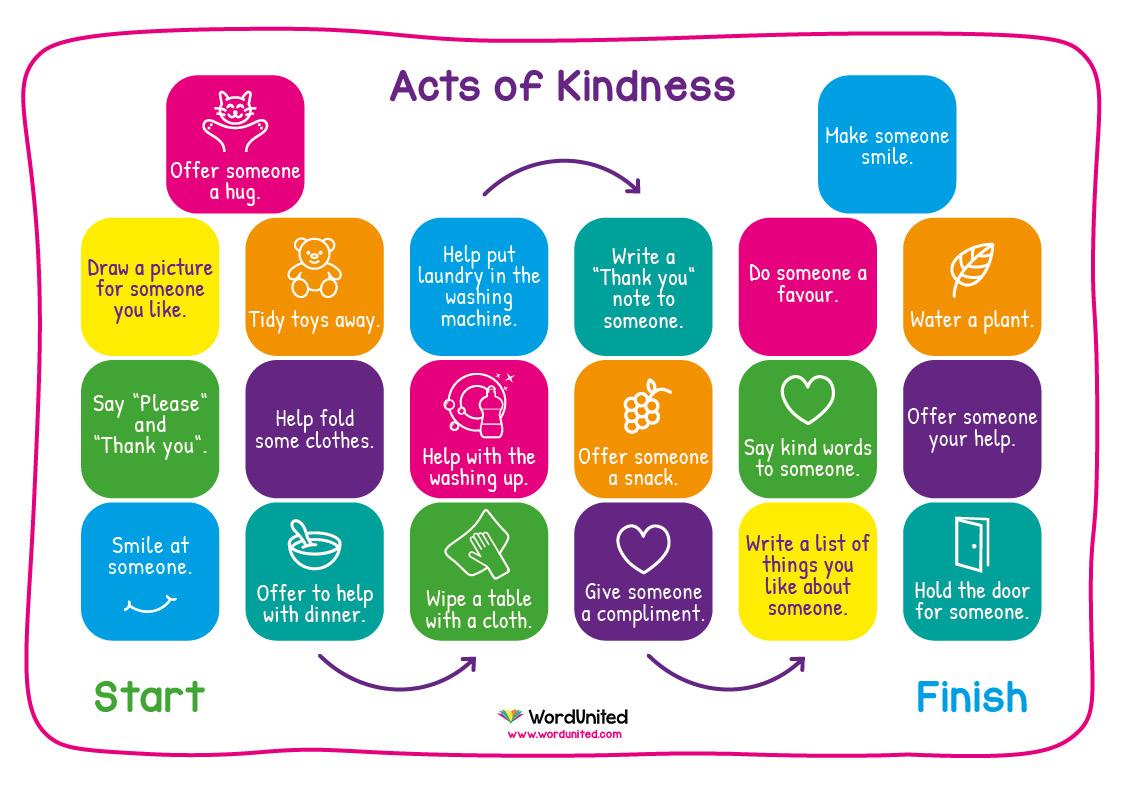
Nurturing Relationships with Acts of Kindness
- Small Surprises: A little surprise can go a long way in brightening someone’s day. Whether it’s a handwritten note, a small gift, or an unexpected visit, these gestures show that you care and are thinking about them. It’s the thoughtfulness behind these actions that strengthens the bond.
- Active Listening: Make an effort to truly listen when others speak. Show genuine interest by maintaining eye contact, nodding, and responding appropriately. This simple act of kindness can make people feel valued and respected, fostering a deeper connection.
- Offering Help: Be proactive in offering your assistance when you see someone struggling, whether it’s helping a colleague with a project or supporting a friend through a tough time. Your willingness to lend a hand demonstrates empathy and builds trust.
- Sharing Positivity: Compliments and words of encouragement are powerful tools for nurturing relationships. Share your appreciation and admiration freely, reinforcing positive feelings and creating a supportive environment.
- Respecting Boundaries: Understand and respect the personal space and boundaries of others. This act of kindness shows that you honor their individuality and comfort levels, which is essential for healthy relationships.
By incorporating these thoughtful acts into your interactions, you not only cultivate a nurturing atmosphere but also lay a strong foundation for enduring and positive relationships. Each small act of kindness contributes to a tapestry of trust and mutual respect, enhancing the quality of connections in both personal and professional spheres.

Balancing Independence and Togetherness for Harmonious Bonds
In the dance of relationships, finding the right rhythm between autonomy and unity is crucial for nurturing a bond that thrives. One effective way to maintain this balance is by establishing clear boundaries that respect individual space while encouraging shared experiences. Open communication plays a vital role here, ensuring that both partners feel heard and valued. This fosters a sense of security, allowing each person to pursue personal interests without fear of neglecting the relationship.
- Prioritize quality time: Set aside moments to reconnect, free from distractions.
- Support each other’s passions: Celebrate and encourage pursuits that bring joy to your partner.
- Practice active listening: Show genuine interest and empathy in conversations.
- Share responsibilities: Collaborate on tasks to strengthen teamwork and understanding.
- Foster mutual respect: Acknowledge and honor differences, appreciating what each brings to the table.
By weaving these practices into daily life, relationships can flourish with a harmonious blend of independence and togetherness, creating a resilient bond that withstands the test of time.