




















In the ever-evolving landscape of dietary trends, the Paleo Diet emerges as a curious paradox, inviting us to dine like our distant ancestors while navigating the complexities of modern nutrition. Its allure lies in its promise to return us to a time when our plates were free of processed foods, grains, and dairy, echoing the hunter-gatherer lifestyle of the Paleolithic era. But as we step back into this prehistoric culinary world, one question remains at the forefront: Is the Paleo Diet truly grounded in scientific evidence, or is it merely a nostalgic nod to a simpler time? In this article, we delve into the heart of the debate, exploring the scientific underpinnings of the Paleo Diet and examining whether it holds up under the scrutiny of contemporary research. Join us as we embark on a journey through time, taste, and the tantalizing promise of primal nutrition.
Evaluating the Evidence Behind Paleos Promises
The Paleo diet has captured the imagination of many, promising a return to our ancestral roots by mimicking the dietary habits of our Paleolithic forebears. Yet, when scrutinized through the lens of scientific inquiry, the evidence supporting its myriad claims is both varied and complex. Critics argue that the Paleo approach lacks robust, long-term studies that definitively link it to the improved health outcomes it purports to offer. While short-term benefits such as weight loss and improved blood sugar levels are often reported, these findings are not unique to Paleo and can be attributed to other dietary frameworks as well.
- Nutrient Density: Proponents highlight the diet’s emphasis on whole foods, which naturally increases nutrient intake. However, the exclusion of certain food groups raises concerns about potential nutrient deficiencies.
- Glycemic Control: The reduction in processed carbohydrates is lauded for its potential to stabilize blood sugar, yet evidence suggests that this can be achieved through a variety of balanced diets.
- Inflammation: Some studies suggest a reduction in inflammation markers, but the evidence remains inconclusive and often anecdotal.
In essence, while the Paleo diet’s philosophy is intriguing and its short-term benefits are apparent, its long-term efficacy and overall health impact remain areas ripe for further research. As with any diet, individual responses can vary significantly, and it is crucial to consider personal health needs and lifestyle factors when evaluating its suitability.

Nutritional Foundations of the Caveman Cuisine
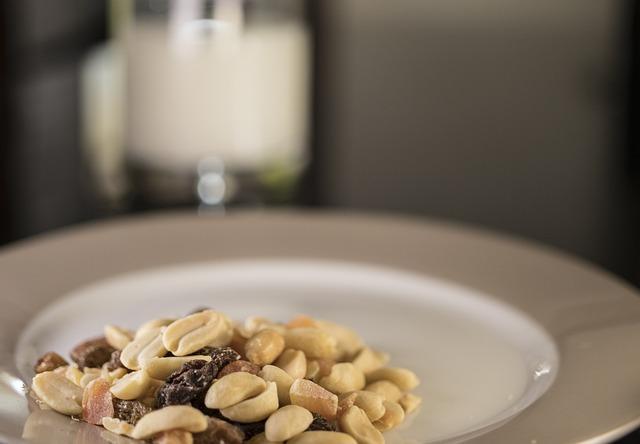
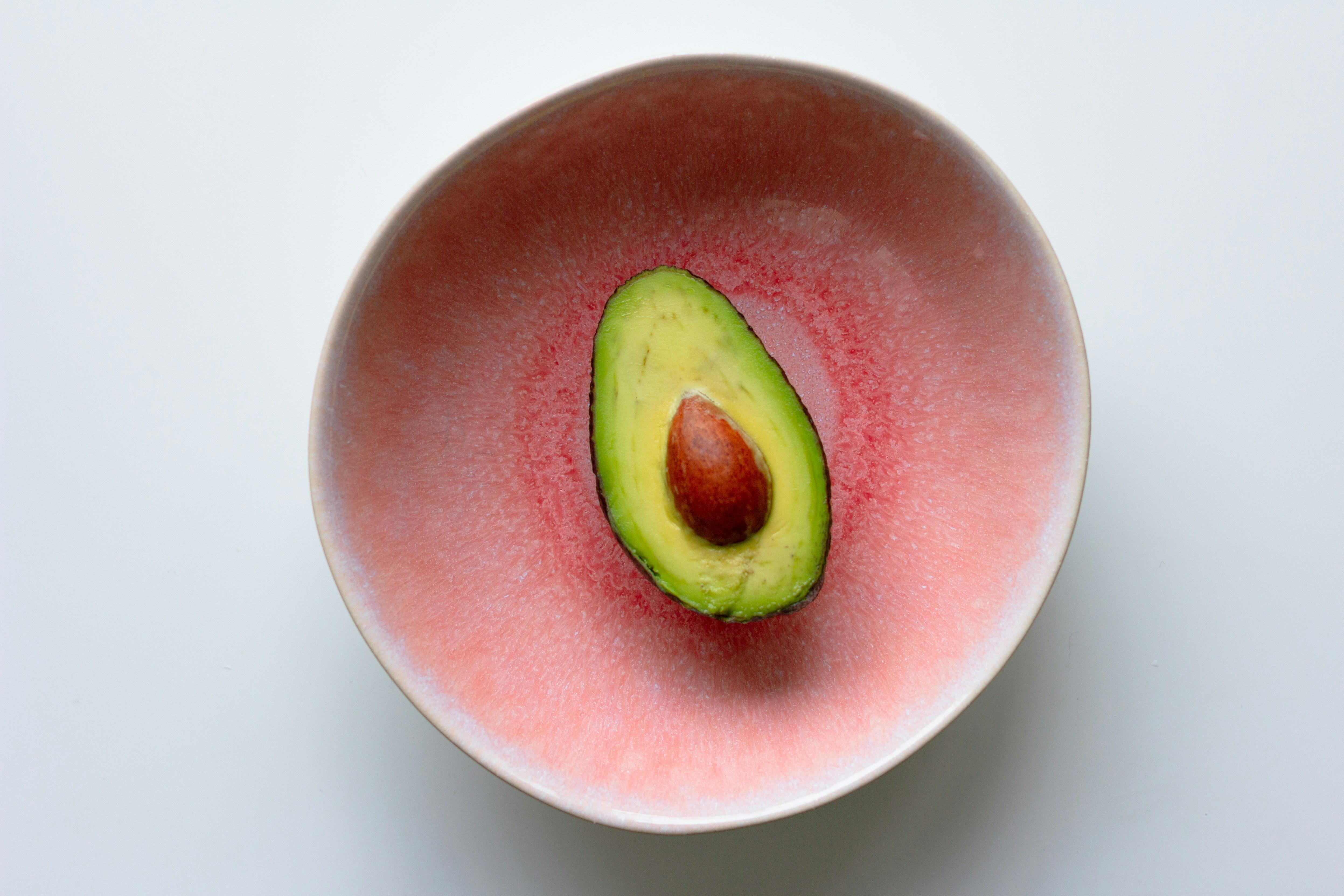
The principles of what we often refer to as ”caveman cuisine” are rooted in the belief that our prehistoric ancestors thrived on a diet that was naturally high in nutrients. The Paleo diet emphasizes foods that were presumably available to humans during the Paleolithic era, which include lean meats, fish, fruits, vegetables, nuts, and seeds. This approach excludes processed foods, grains, and dairy products, reflecting a time before the advent of agriculture.
Supporters of this diet argue that it aligns with our genetic makeup, suggesting that the human body is optimally adapted to the nutritional profile of these ancient foods. Proponents highlight several potential benefits:
- Increased intake of omega-3 fatty acids and antioxidants from fish and fresh produce.
- Higher levels of fiber from fruits and vegetables, contributing to improved digestive health.
- Reduced consumption of refined sugars and additives, which may lower the risk of chronic diseases.
While critics point out the lack of long-term scientific studies, the diet’s focus on whole foods and nutrient density is widely recognized as beneficial. This back-to-basics approach encourages a more mindful consideration of what we eat, prompting many to reflect on the nutritional quality of their modern diets.
Health Benefits and Potential Risks Explored
Advocates of the Paleo diet often highlight its numerous health benefits, such as improved digestion, increased energy levels, and weight loss. The diet’s emphasis on whole foods—like lean meats, fish, fruits, vegetables, nuts, and seeds—aligns with many nutritional guidelines that promote heart health and reduced inflammation. Additionally, by eliminating processed foods, refined sugars, and dairy, followers may experience improved blood sugar control and a lower risk of chronic diseases.
However, it’s crucial to weigh these benefits against potential risks. Critics argue that the exclusion of entire food groups, such as grains and legumes, can lead to nutrient deficiencies. This restrictive nature may also pose challenges for long-term adherence, potentially resulting in social isolation or disordered eating patterns. Furthermore, the diet’s high reliance on animal proteins raises concerns about increased saturated fat intake, which could impact cardiovascular health. While the Paleo diet may offer a framework for healthier eating, individuals should consider their personal nutritional needs and consult healthcare professionals before making significant dietary changes.
- Pros: Weight loss, improved energy, better digestion
- Cons: Nutrient deficiencies, sustainability issues, potential cardiovascular risks

Expert Recommendations for Modern-Day Cave Dwellers
While many enthusiasts embrace the Paleo diet as a return to our ancestral roots, experts offer a nuanced perspective. Nutritionists and dietitians often highlight the potential benefits of a diet rich in whole foods and low in processed sugars. However, they also caution against romanticizing a prehistoric lifestyle without scientific backing. Key considerations from experts include:
- Variety and Balance: Ensure that the diet includes a diverse range of nutrients, as our ancestors likely had a varied diet depending on geographical location and seasonal availability.
- Personal Health Needs: Consult with healthcare professionals to tailor dietary choices to individual health conditions and nutritional requirements.
- Modern Adaptations: Recognize that modern lifestyles differ significantly from those of our ancestors, necessitating adjustments for physical activity levels and food accessibility.
Ultimately, while the Paleo diet can offer a framework for healthier eating, it’s crucial to adapt it to the demands and realities of contemporary life. Scientific studies have yet to fully endorse it as a one-size-fits-all solution, making expert guidance invaluable for those embarking on this dietary journey.