




















In a world where the rhythm of life is increasingly intertwined with the pulse of sustainability, more and more individuals are turning their culinary compass towards plant-based diets. This shift isn’t just a trend; it’s a conscious journey towards nurturing both our bodies and the planet. Embarking on this path can seem daunting, but with the right steps, the transition can be both smooth and rewarding. Whether you’re driven by health, environmental concerns, or ethical considerations, adopting a plant-based lifestyle opens up a vibrant tapestry of flavors, colors, and textures. Join us as we explore the essential steps to seamlessly integrate this nourishing diet into your daily routine, transforming not just your plate, but your perspective on food itself.
Understanding the Plant-Based Lifestyle
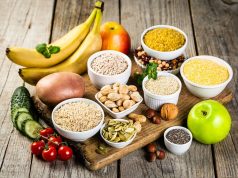
Adopting a plant-based lifestyle is more than just a dietary change; it’s a commitment to a healthier, more sustainable way of living. To successfully transition, start by incorporating more plant-based foods into your daily meals. Explore a variety of fruits, vegetables, whole grains, legumes, nuts, and seeds to ensure a balanced intake of essential nutrients. Consider experimenting with different cooking methods, such as grilling, roasting, or steaming, to enhance the flavors and textures of your meals.
- Gradual Transition: Begin by replacing a few animal-based meals each week with plant-based alternatives.
- Mindful Shopping: Focus on buying fresh, seasonal produce and try to incorporate local ingredients.
- Meal Planning: Plan your meals ahead of time to avoid last-minute temptations and ensure a nutritious balance.
- Educate Yourself: Learn about plant-based nutrition to make informed choices and maintain a balanced diet.
Navigating Nutritional Needs and Sources
Transitioning to a plant-based diet involves understanding how to meet your nutritional requirements while enjoying a diverse range of flavors and textures. Plant-based foods can provide all the essential nutrients, but it’s crucial to know where to find them. Key nutrients to focus on include protein, iron, calcium, omega-3 fatty acids, and vitamin B12. While legumes, nuts, seeds, and whole grains are excellent protein sources, iron can be found in lentils, chickpeas, and leafy greens. To enhance iron absorption, pair these foods with vitamin C-rich options like citrus fruits and bell peppers.
- Protein: Lentils, chickpeas, tofu, tempeh, and quinoa.
- Iron: Spinach, kale, fortified cereals, and pumpkin seeds.
- Calcium: Almonds, chia seeds, fortified plant milks, and broccoli.
- Omega-3 Fatty Acids: Flaxseeds, walnuts, and chia seeds.
- Vitamin B12: Fortified nutritional yeast and plant-based milks.
Incorporating a wide variety of these foods ensures a balanced intake of nutrients. Experiment with spices and herbs to elevate your dishes, creating meals that are not only nutritious but also bursting with flavor. This dietary transition is not just about restriction but embracing an array of new culinary possibilities.

Crafting Delicious and Balanced Meals
Transitioning to a plant-based diet can be a flavorful journey when approached with creativity and balance. Begin by embracing a variety of vibrant vegetables, whole grains, and legumes, which serve as the cornerstone of your new dietary adventure. Explore the endless possibilities of colorful salads, savory grain bowls, and hearty stews that not only satisfy your taste buds but also provide essential nutrients. Remember, diversity is key, so experiment with different textures and flavors to keep your meals exciting and fulfilling.
To ensure your meals are nutritionally balanced, focus on incorporating a variety of plant-based protein sources. Include options such as chickpeas, lentils, tofu, and quinoa. These not only provide protein but also contribute to your daily fiber intake. Don’t forget to add healthy fats like avocados, nuts, and seeds, which are essential for overall well-being. Lastly, seasoning is your best friend—use herbs and spices to elevate your dishes, transforming simple ingredients into gourmet delights.

Overcoming Common Challenges and Misconceptions
Transitioning to a plant-based diet can seem daunting, often clouded by common challenges and misconceptions. Many individuals worry about not getting enough protein, but it’s important to know that a well-planned plant-based diet can meet all your protein needs. Foods like lentils, chickpeas, and quinoa are excellent sources. Another misconception is that plant-based eating is inherently expensive. However, focusing on whole foods like beans, grains, and seasonal vegetables can actually be budget-friendly.
- Protein Woes: Incorporate a variety of plant proteins to ensure you’re meeting your nutritional needs.
- Budget Concerns: Shop smart by buying in bulk and choosing local produce.
- Flavor and Satisfaction: Experiment with herbs and spices to enhance your meals, ensuring they’re both nutritious and satisfying.
Moreover, the notion that plant-based meals lack flavor is far from the truth. By experimenting with diverse herbs, spices, and cooking methods, you can create dishes that are not only nutritious but also bursting with flavor. Embrace this transition as an opportunity to explore new culinary landscapes and discover a vibrant array of foods that nourish both body and soul.