






















In the fast-paced rhythm of modern life, where the mind often races and emotions can feel like an untamed sea, finding a sanctuary of calm becomes essential. Enter yoga—a timeless practice that offers more than just physical flexibility and strength. Beyond the asanas and breathing techniques lies a profound promise for mental and emotional well-being. This ancient discipline, with its roots deeply embedded in history, has transcended time and culture to become a beacon of tranquility and balance. As we explore the benefits of yoga for mental and emotional health, we uncover how this holistic practice can transform the mind’s landscape, offering serenity amidst chaos and clarity amidst confusion. Join us on a journey to discover how yoga can be a guiding light in nurturing a healthier, more harmonious state of being.
Harnessing Inner Peace: Yogas Role in Reducing Anxiety
In today’s fast-paced world, anxiety has become a common companion for many. Yet, amidst the chaos, yoga emerges as a beacon of tranquility. By integrating mindful breathing and purposeful movement, yoga cultivates a serene inner landscape, allowing individuals to navigate stress with grace. Through consistent practice, one can experience a profound shift in mental clarity and emotional resilience.
- Mindful Breathing: Techniques like Pranayama help regulate the breath, calming the nervous system and reducing anxiety.
- Physical Postures: Asanas not only enhance physical flexibility but also release tension stored in the body.
- Meditative Practices: Encourage a focused mind, promoting mental peace and emotional balance.
- Community and Connection: Participating in yoga classes fosters a sense of belonging and shared experience.
In essence, yoga serves as a holistic tool for nurturing mental and emotional well-being, guiding practitioners towards a life less burdened by anxiety.
Cultivating Emotional Resilience Through Mindful Movement
Incorporating yoga into your daily routine can significantly enhance your ability to manage stress and bounce back from life’s challenges. This ancient practice is more than just physical exercise; it’s a holistic approach to well-being that nurtures the mind, body, and spirit. By engaging in mindful movement, you can cultivate emotional resilience, a crucial skill in navigating the complexities of modern life. Yoga encourages a deep connection between breath and movement, helping individuals become more attuned to their emotions and reactions.
- Improved Emotional Awareness: Yoga helps in recognizing and understanding emotions, allowing for healthier responses to stressors.
- Enhanced Mind-Body Connection: Through deliberate, mindful movements, practitioners develop a greater sense of bodily awareness and emotional balance.
- Stress Reduction: The practice of yoga reduces the production of stress hormones, promoting a sense of calm and relaxation.
By regularly practicing yoga, individuals can create a space of calm and introspection within themselves, fostering a stronger, more resilient emotional core. This journey of self-discovery and emotional growth is not only transformative but also empowering, providing the tools needed to face life’s adversities with grace and strength.

Enhancing Mood and Mental Clarity with Regular Practice
Engaging in regular yoga practice can significantly uplift your mood and sharpen your mental clarity. This ancient discipline combines physical postures, breathing exercises, and meditation techniques that work in harmony to enhance mental well-being. By integrating yoga into your daily routine, you can experience a variety of psychological benefits, such as:
- Reduced Stress Levels: Practicing yoga encourages the release of tension and promotes relaxation, which can lead to a noticeable decrease in stress.
- Improved Concentration: The focus required during yoga sessions helps train the mind to concentrate better, enhancing cognitive function and memory retention.
- Elevated Mood: Yoga stimulates the production of mood-enhancing neurotransmitters, like serotonin, which can contribute to a more positive outlook on life.
- Enhanced Emotional Balance: Through mindfulness and self-awareness cultivated during practice, individuals can better manage emotions and respond to challenges with calmness.
By fostering a state of inner peace and tranquility, yoga not only nourishes the body but also nurtures the mind, paving the way for a more harmonious and balanced life.
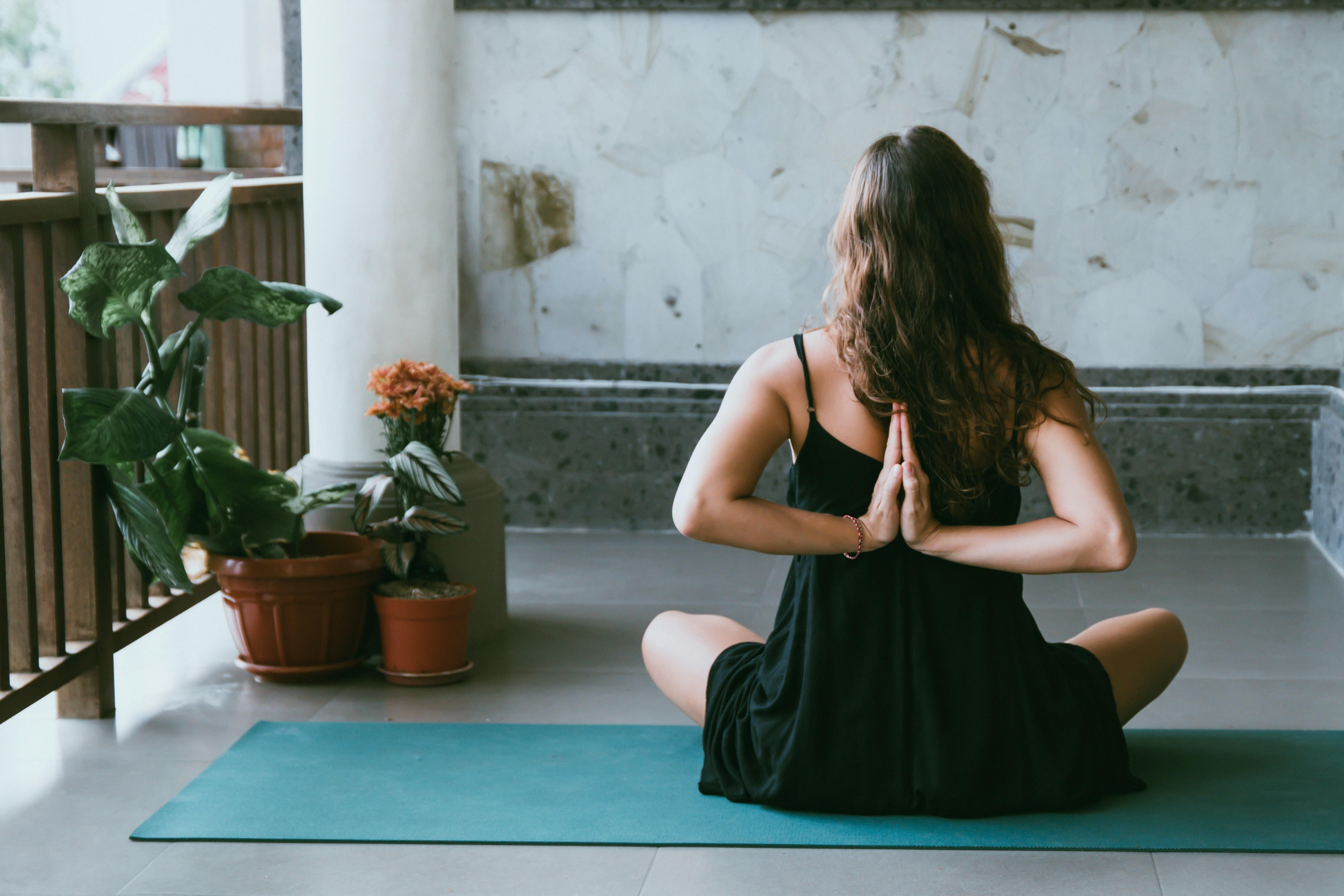
Building a Personalized Yoga Routine for Emotional Well-being
Crafting a yoga routine that caters to your unique emotional needs can be a transformative journey. By focusing on specific poses and practices, you can create a sanctuary of peace and introspection. To begin, identify your emotional goals—whether it’s reducing anxiety, enhancing mood, or fostering resilience. Then, incorporate a blend of breathing exercises, mindful meditation, and gentle asanas tailored to these objectives.
- Breathing Exercises: Techniques like Pranayama can help regulate emotions and reduce stress.
- Mindful Meditation: Practicing mindfulness can cultivate a deeper connection with your inner self.
- Gentle Asanas: Incorporating poses such as Child’s Pose or Cat-Cow can offer a calming effect.
Remember, your practice should be a reflection of your personal journey. Be patient and open to adjusting your routine as your emotional landscape evolves. This personalized approach not only nurtures emotional well-being but also empowers you to navigate life’s challenges with greater ease and grace.