



















In the bustling realm of culinary arts, where flavors dance and aromas weave stories, the debate over cooking oils simmers like a pot on a slow boil. For years, oils have been the unsung heroes of the kitchen, providing the sizzle to our stir-fries and the golden hue to our baked goods. Yet, as we peel back the layers of nutritional science and culinary tradition, a question emerges from the steam: Should we avoid oils in cooking? This inquiry invites us to explore the intricate tapestry of health, taste, and sustainability, challenging long-held beliefs and inspiring a reexamination of our daily rituals. Join us as we navigate this flavorful conundrum, weighing the merits and drawbacks of oils in the art of cooking, and discover whether they deserve a cherished spot in our pantries or a cautious second glance.
Understanding the Role of Oils in Your Diet
Oils play a multifaceted role in our culinary practices, serving not only as a cooking medium but also as a source of essential nutrients. They are rich in healthy fats that are crucial for maintaining cell membranes, absorbing vitamins, and producing hormones. Incorporating oils into your diet, especially those derived from plants like olive, avocado, and canola, can provide benefits that go beyond just flavor enhancement. However, understanding which oils to use and in what quantities is key to harnessing their health benefits while avoiding potential downsides.
- Source of Energy: Oils are calorie-dense, providing a significant amount of energy in small quantities, which can be beneficial for individuals with high energy needs.
- Nutrient Absorption: Fat-soluble vitamins such as A, D, E, and K require dietary fats for optimal absorption in the body.
- Flavor and Texture: Different oils impart unique flavors and textures to dishes, enriching the culinary experience.
While oils can enhance your diet, moderation is vital. Overconsumption may lead to unwanted weight gain or health issues, particularly when using oils high in saturated fats. Opt for oils with a higher proportion of unsaturated fats, and experiment with cooking techniques like grilling or steaming, which may require less oil. By thoughtfully selecting and utilizing oils, you can maintain a balanced and enjoyable diet without compromising on health.

Exploring Healthier Alternatives to Traditional Cooking Oils
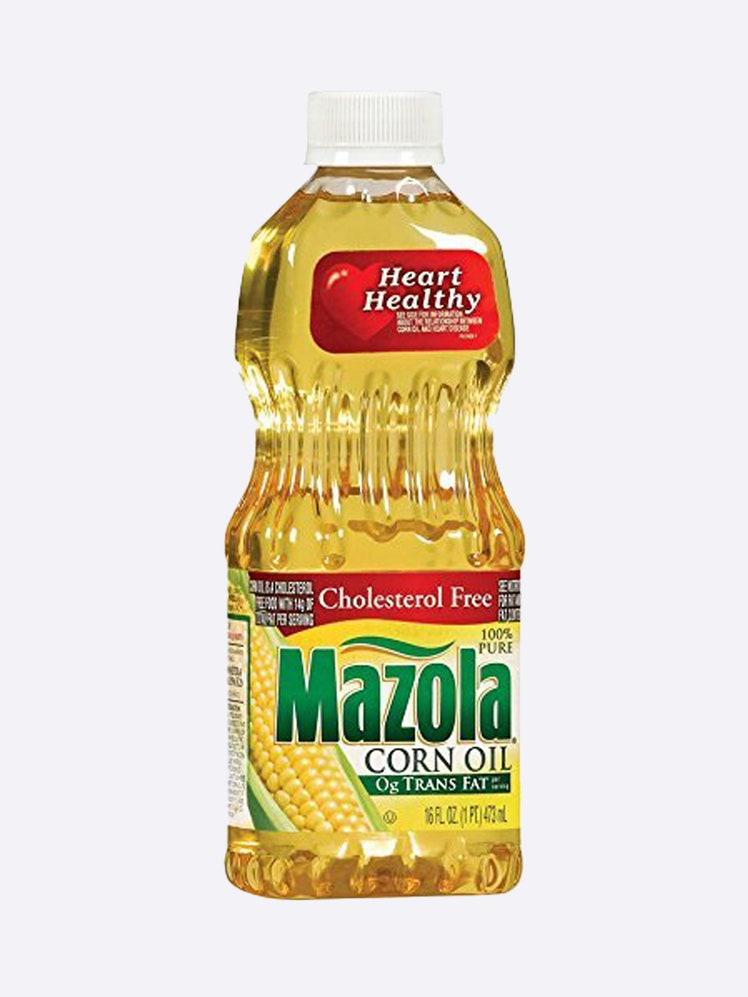
In recent years, the culinary world has seen a shift towards more health-conscious choices, prompting many to reconsider the oils they use in their cooking. As concerns about heart health and cholesterol levels rise, more people are exploring alternatives to traditional cooking oils. These healthier options not only promise nutritional benefits but also introduce exciting flavors to your dishes. Avocado oil, for instance, is praised for its high smoke point and abundance of monounsaturated fats, making it ideal for frying and sautéing. Coconut oil, on the other hand, offers a unique tropical flavor and is often chosen for its medium-chain triglycerides, which some studies suggest may aid in weight loss.
- Olive Oil: Rich in antioxidants and anti-inflammatory properties, it’s a staple in Mediterranean diets.
- Grapeseed Oil: Known for its neutral flavor and high polyunsaturated fat content.
- Walnut Oil: A delicate, nutty oil perfect for drizzling over salads or finishing dishes.
- Flaxseed Oil: High in omega-3 fatty acids, though best used raw to preserve its nutritional benefits.
While the decision to completely avoid oils in cooking is personal, incorporating these healthier alternatives can be a flavorful way to enhance your meals without compromising on health. Exploring these options allows you to experiment with different tastes and cooking techniques, offering a delightful culinary journey towards a healthier lifestyle.
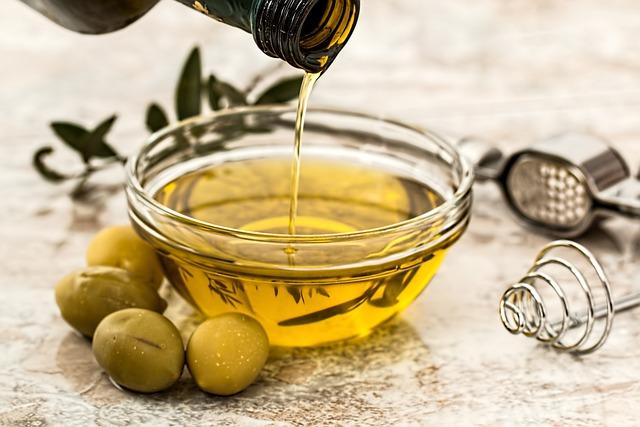
The Science Behind Oil-Free Cooking: Benefits and Drawbacks
Cooking without oil has become a popular choice for many health-conscious individuals, and understanding the mechanics behind it can shed light on its benefits and limitations. Oil-free cooking relies on techniques such as steaming, baking, grilling, and sautéing with water or broth. These methods allow for the natural flavors of ingredients to shine, often resulting in dishes that are both vibrant and nutrient-rich.
- Benefits:
- Reduces calorie intake, aiding in weight management.
- Minimizes consumption of unhealthy fats, supporting heart health.
- Enhances the natural taste of food, promoting a more authentic culinary experience.
- Drawbacks:
- May lead to a lack of certain fat-soluble vitamins in the diet.
- Some dishes might lose their traditional texture and flavor profile.
- Can require a learning curve to adapt recipes effectively.
Practical Tips for Reducing Oil Usage in Everyday Meals
Exploring ways to reduce oil in your cooking can be both fun and rewarding. Start by experimenting with non-stick cookware, which requires little to no oil for frying and sautéing. This simple switch can significantly cut down on oil usage without sacrificing flavor or texture. Additionally, consider using cooking sprays that allow you to control the amount of oil applied to your pans, ensuring you use just enough to get the job done.
- Steam or bake instead of frying to maintain the moisture and nutrients in your food.
- Swap oil for broth or water when sautéing vegetables for a lighter, healthier dish.
- Incorporate natural fats like avocados or nuts to add richness without extra oil.
- Try infused vinegars or citrus juices for added flavor without the need for oil-based dressings.
These small adjustments not only promote healthier eating habits but also encourage culinary creativity. As you become more comfortable with these methods, you’ll discover new flavors and textures that enhance your meals without relying heavily on oils.