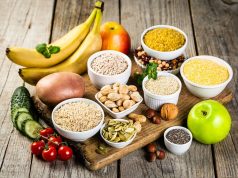






















In a world where the pace of life seems ever-accelerating, and the boundaries between physical and mental health blur, a curious question lingers on the minds of many: Could the food we consume hold the keys to our mental well-being? As we navigate the complex tapestry of nutrients, brain chemistry, and emotional health, the intricate relationship between diet and mental health emerges as a fascinating frontier. With every bite, we may be influencing more than just our waistlines; we might be shaping our mood, our resilience, and our overall mental landscape. Join us as we delve into the compelling evidence and explore whether our daily meals are nourishing not just our bodies, but our minds as well.
Understanding the Nutritional Mind: How Diet Impacts Mental Well-being
Recent research has illuminated the intricate relationship between our dietary choices and psychological health. As we delve deeper into the gut-brain axis, it becomes evident that what we consume can significantly influence our emotional and cognitive functions. A balanced diet rich in nutrients like omega-3 fatty acids, vitamins, and minerals is increasingly being recognized for its potential role in enhancing mental resilience and reducing symptoms of anxiety and depression.
- Omega-3 Fatty Acids: Found in fish, flaxseeds, and walnuts, these are crucial for brain health and have been linked to lower risks of mood disorders.
- Antioxidants: Foods high in antioxidants, such as berries and leafy greens, help combat oxidative stress, which is often associated with mental fatigue and depression.
- Probiotics: Fermented foods like yogurt and kimchi support gut health, which is essential for the production of neurotransmitters like serotonin.
- Whole Grains: Complex carbohydrates found in whole grains can stabilize blood sugar levels, thus reducing mood swings and enhancing focus.
While the science is still evolving, integrating a nutrient-rich diet may offer a promising avenue for supporting mental well-being. This approach underscores the importance of considering dietary habits as a component of comprehensive mental health care.
Exploring Nutrient Deficiencies: Key Players in Mental Health
In the intricate tapestry of mental well-being, certain nutrients play pivotal roles, often going unnoticed until their absence makes a stark impact. Vitamin D, commonly known as the “sunshine vitamin,” is one such player. Its deficiency has been linked to mood disorders, including depression and anxiety. Equally significant is Omega-3 fatty acids, found abundantly in fish like salmon and mackerel, which are essential for brain health and have been shown to reduce symptoms of depression.
Another crucial nutrient is Vitamin B12, which supports the production of neurotransmitters. Low levels can lead to mood swings and cognitive decline. Additionally, Iron and Zinc deficiencies have been associated with fatigue and decreased concentration. Consider these key nutrients:
- Vitamin D: Supports mood regulation and mental health.
- Omega-3 Fatty Acids: Essential for brain function and emotional balance.
- Vitamin B12: Vital for neurotransmitter synthesis and cognitive function.
- Iron: Important for energy levels and mental clarity.
- Zinc: Plays a role in cognitive function and emotional stability.

The Gut-Brain Connection: Unveiling the Role of Probiotics
Recent research has highlighted the intricate relationship between our digestive system and mental well-being, often referred to as the gut-brain axis. This connection is largely mediated by the microbiome, a complex community of microorganisms residing in our intestines. Probiotics, the beneficial bacteria, play a pivotal role in maintaining this balance. By influencing the production of neurotransmitters such as serotonin, which is primarily produced in the gut, probiotics may have a direct impact on mood regulation and cognitive functions.
Incorporating probiotics into your diet could potentially foster a healthier gut environment, which in turn may contribute to improved mental health. Here are some ways probiotics might benefit the gut-brain connection:
- Enhancing Mood: Probiotics can help in the synthesis of serotonin and other mood-regulating chemicals.
- Reducing Anxiety: Certain strains of probiotics have been linked to decreased levels of stress and anxiety.
- Boosting Cognitive Function: A balanced gut microbiome may support better focus and memory retention.
While the science is still evolving, the potential of probiotics as a natural adjunct to mental health strategies is both exciting and promising. As we delve deeper into understanding this connection, it becomes increasingly clear that nurturing our gut might just be the key to nurturing our mind.

Crafting a Mood-Boosting Menu: Expert Dietary Recommendations
As research continues to uncover the intricate connections between what we eat and how we feel, crafting a menu that supports mental well-being is becoming an essential part of holistic health. Experts suggest that certain dietary choices can significantly impact our mood and overall mental health. Incorporating a variety of nutrient-rich foods into your daily diet can serve as a natural mood enhancer. Consider the following dietary recommendations to uplift your spirits:
- Omega-3 Fatty Acids: Found in fatty fish like salmon and sardines, these essential fats play a crucial role in brain function and have been linked to lower levels of depression.
- Whole Grains: Foods like quinoa, brown rice, and oats provide a steady release of glucose, which helps stabilize blood sugar levels and mood.
- Fruits and Vegetables: Rich in antioxidants, these help combat oxidative stress, which has been associated with mood disorders.
- Fermented Foods: Yogurt, kefir, and kimchi support gut health, which is increasingly recognized for its influence on mental health through the gut-brain axis.
While the impact of diet on mental health is complex and individualized, integrating these expert recommendations into your meals could be a simple yet effective way to support your emotional well-being. By focusing on nutrient-dense foods, you may find not only a boost in mood but also a positive shift in overall mental clarity and energy levels.