

















In the bustling world of dietary advice and wellness trends, one timeless recommendation continues to stand out for its remarkable benefits: the high-fiber diet. Often overshadowed by flashier health fads, fiber quietly weaves its way through the tapestry of heart health, offering a robust shield against cardiovascular woes. Imagine a world where heart disease takes a backseat, where each meal serves as a stepping stone toward a healthier heart. As we delve into the intricate relationship between fiber and heart health, we unravel the science behind this unsung hero of nutrition. Join us on this journey to discover how a high-fiber diet can transform not just your plate, but your heart’s destiny.
Boosting Heart Health with Natures Bounty
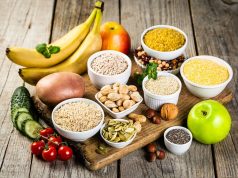
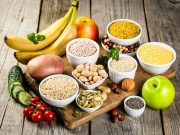
Incorporating a high-fiber diet into your daily routine can be a transformative step towards nurturing your heart health. Fiber-rich foods are nature’s gift, offering a plethora of benefits that extend beyond just keeping your heart in optimal condition. Foods abundant in fiber, such as whole grains, fruits, vegetables, and legumes, work diligently to reduce cholesterol levels and stabilize blood sugar, creating a robust defense system against cardiovascular diseases. By integrating these natural wonders into your meals, you are not only savoring their flavors but also actively contributing to a healthier heart.
- Whole Grains: Swap out refined grains for whole grains like quinoa, brown rice, and oats to increase your fiber intake.
- Fruits and Vegetables: Opt for a colorful plate. Leafy greens, berries, and avocados are excellent choices to boost fiber.
- Legumes: Incorporate beans, lentils, and chickpeas into your dishes for a fiber-rich boost.
Embracing a diet that emphasizes these fiber-packed foods can lead to improved heart health by enhancing digestion and promoting a feeling of fullness, which may help in maintaining a healthy weight. The journey to a healthier heart can be delicious and fulfilling, as you explore the vibrant array of high-fiber options that nature has to offer.

Exploring the Science Behind Fibers Cardiovascular Benefits
The journey of understanding how fiber contributes to cardiovascular health begins at the microscopic level. Dietary fiber, a complex carbohydrate found in plant-based foods, plays a crucial role in maintaining heart health. When consumed, it traverses the digestive tract largely undigested, influencing several bodily functions along the way. Notably, soluble fiber dissolves in water to form a gel-like substance, which has been shown to effectively lower cholesterol levels. By binding with cholesterol particles, it aids in their removal from the body, thereby reducing the risk of plaque formation in arteries.
- Reduction in LDL cholesterol: Soluble fiber has a unique ability to lower low-density lipoprotein (LDL) cholesterol, often labeled as ’bad’ cholesterol.
- Blood pressure regulation: A high-fiber diet is associated with improved blood pressure control, contributing to overall cardiovascular health.
- Anti-inflammatory effects: Fiber-rich foods often contain antioxidants and other compounds that help reduce inflammation, a known risk factor for heart disease.
Additionally, insoluble fiber, while not directly affecting cholesterol, promotes digestive health, ensuring a smoother passage through the digestive system and preventing conditions that can indirectly affect heart health, such as obesity and type 2 diabetes. This intricate dance of fibers within the body underscores the profound impact of dietary choices on cardiovascular well-being.

Practical Tips for Incorporating Fiber-Rich Foods into Your Diet
Enhancing your diet with fiber-rich foods can be both simple and delicious. Here are some practical ways to weave more fiber into your meals effortlessly:
- Start your day with whole grains: Swap out refined cereals for options like oatmeal, bran flakes, or whole-grain toast. These choices not only boost your fiber intake but also keep you full longer.
- Add beans and legumes: Incorporate beans, lentils, or chickpeas into soups, salads, or as a meat substitute in your favorite recipes. They are not only high in fiber but also a great source of protein.
- Snack on fruits and vegetables: Keep fresh or dried fruits and crunchy veggies like carrots or celery sticks on hand for a fiber-rich snack that satisfies hunger between meals.
- Choose whole fruits over juices: Eating whole fruits ensures you get all the fiber, unlike juices which often lack this important nutrient.
- Experiment with nuts and seeds: Sprinkle chia seeds, flaxseeds, or almonds on yogurt, salads, or oatmeal to add a fiber boost and a delightful crunch.
By integrating these simple changes, you’ll naturally increase your fiber intake, contributing to improved heart health and overall well-being. Remember, the key is to make these adjustments gradually to allow your body to adapt to the increased fiber levels.

Understanding the Link Between Fiber Intake and Reduced Heart Disease Risk
Incorporating a high-fiber diet into your daily routine can significantly benefit heart health. Fiber, particularly soluble fiber, plays a crucial role in lowering cholesterol levels by binding with cholesterol particles and removing them from the body. This process can lead to a reduction in low-density lipoprotein (LDL) cholesterol, commonly known as “bad” cholesterol, which is a major risk factor for heart disease. Moreover, a diet rich in fiber aids in regulating blood sugar levels, which is essential for maintaining a healthy heart. By slowing down the absorption of sugar, fiber helps prevent spikes in blood sugar, thus reducing the risk of developing diabetes, a condition closely linked to heart disease.
- Improved cholesterol levels: Soluble fiber helps lower LDL cholesterol, reducing heart disease risk.
- Blood sugar control: Fiber slows sugar absorption, preventing spikes and aiding in diabetes prevention.
- Enhanced digestive health: Fiber supports regular bowel movements and overall digestive well-being.
- Weight management: High-fiber foods are often more filling, helping control appetite and maintain a healthy weight.