



















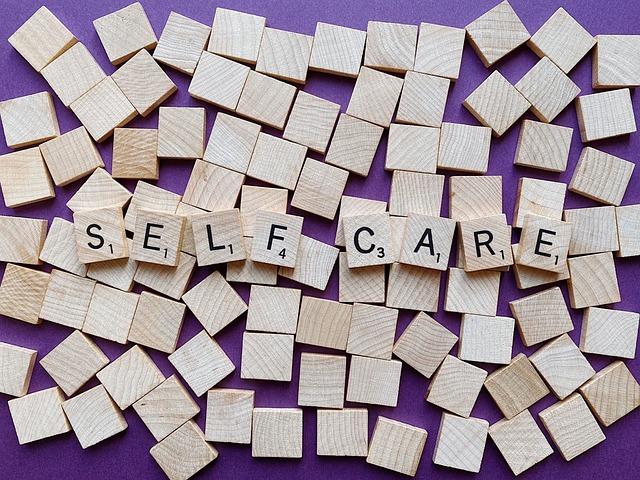
In an era where the hustle and bustle of daily life often feels overwhelming, self-care has emerged as a sanctuary, a momentary retreat from the chaos. It is celebrated as a vital practice for maintaining mental and physical well-being, a ritual that nurtures the soul. But as the lines between self-care and indulgence blur, a curious question arises: Can self-care transform into a form of escapism? This article delves into the evolving landscape of self-care, exploring whether this well-intentioned practice can sometimes serve as a temporary escape from reality, rather than a genuine path to healing. By examining the fine balance between self-nurturing and avoidance, we aim to uncover the complexities of self-care in the modern world, inviting readers to reflect on their own practices and intentions.
The Fine Line Between Self-Care and Avoidance
In today’s fast-paced world, self-care has become a buzzword synonymous with well-being and mental health. However, the delicate balance between nurturing oneself and sidestepping responsibilities can be easily tipped. The line becomes blurred when self-care transforms into a routine of evasion rather than empowerment. While it’s essential to take time for yourself, it’s equally crucial to recognize when these moments are being used to dodge life’s challenges rather than confront them. Here are some signs that your self-care might be slipping into avoidance:
- Procrastination in Disguise: Spending excessive time in activities meant to recharge, like binge-watching or endless spa days, can sometimes be a way to delay tackling pressing tasks.
- Emotional Numbing: Using self-care as a shield to block out emotions instead of addressing them can prevent genuine healing and growth.
- Escaping Reality: If your self-care routines are consistently chosen over facing uncomfortable situations, it might be time to reassess their purpose.
Recognizing these patterns doesn’t mean abandoning self-care; rather, it’s about ensuring that your practices are truly beneficial. Authentic self-care involves a conscious decision to face challenges head-on, using rest and relaxation as tools to build resilience, not as barriers to reality.

Unpacking the Psychology Behind Self-Care as Escapism
In today’s fast-paced world, the concept of self-care has become a beacon for those seeking solace from stress and burnout. However, this well-intentioned practice can sometimes morph into a form of escapism. While engaging in self-care activities, individuals might be unconsciously avoiding deeper emotional issues, thus postponing necessary self-reflection and growth. This psychological phenomenon can manifest in various ways, such as:
- Indulgence Over Introspection: Prioritizing immediate gratification over long-term well-being can lead to an endless cycle of surface-level self-care rituals.
- Procrastination Disguised as Self-Care: Using activities like binge-watching or excessive pampering to delay confronting underlying problems.
- Validation Seeking: Relying on self-care routines to garner social approval or to fit into societal trends, rather than for personal fulfillment.
While there’s no denying the benefits of self-care, it’s essential to ensure that these practices are not just temporary distractions. By acknowledging the potential for escapism, individuals can strive for a more balanced approach that includes both self-care and self-awareness.

Practical Strategies to Balance Self-Care and Reality
Finding the sweet spot between indulging in self-care and facing the demands of everyday life can be challenging. Here are some practical strategies to ensure your self-care routine complements rather than conflicts with reality:
- Set Boundaries: Clearly define the time and space for self-care activities. This helps in keeping them from spilling over into other responsibilities.
- Prioritize Tasks: Use tools like to-do lists or digital planners to balance self-care with daily obligations. Recognize what is urgent and what can wait.
- Mindful Integration: Incorporate self-care practices into your daily routine rather than setting them apart. For example, practice deep breathing during your commute or listen to a motivational podcast while cooking.
- Be Realistic: Set achievable self-care goals. Instead of dedicating an entire day to relaxation, start with small, consistent practices that fit into your schedule.
- Regular Reflection: Periodically evaluate your self-care practices to ensure they are serving their intended purpose and not becoming a form of avoidance.
By embracing these strategies, you can nurture a self-care regimen that enhances your well-being while staying grounded in reality.

Recognizing When Self-Care Turns into an Escape Mechanism
In the pursuit of well-being, it’s easy to blur the lines between genuine self-care and using it as a tool to escape reality. Self-care becomes problematic when it shifts from a healthy practice to a means of avoiding life’s challenges. Recognizing this transition is crucial to maintaining balance. Here are some signs that self-care might be morphing into escapism:
- Procrastination: When activities like yoga, meditation, or even a bubble bath become excuses to delay addressing important tasks, it’s time to reassess their role in your routine.
- Overindulgence: While treating yourself is vital, relying excessively on retail therapy, binge-watching, or indulgent eating might indicate a deeper issue.
- Emotional Numbing: If your self-care routine leaves you feeling disconnected rather than rejuvenated, it might be serving as a distraction from confronting emotions.
- Routine Rigidity: An inflexible self-care regimen that disrupts daily responsibilities or relationships suggests an underlying avoidance tactic.
By becoming aware of these patterns, we can ensure our self-care practices remain a source of nourishment rather than a means to evade life’s inevitable demands.