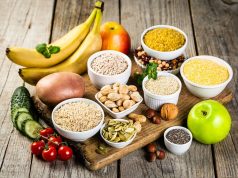




















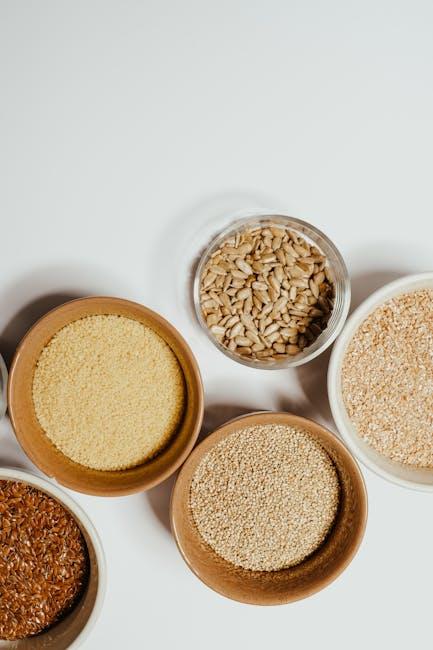
In a world where dietary trends ebb and flow like the tides, one humble food group has stood the test of time, quietly nourishing civilizations for millennia: whole grains. From the sun-drenched fields of ancient Mesopotamia to the bustling kitchens of modern homes, these tiny kernels of health have woven themselves into the fabric of our daily sustenance. Yet, in the clamor for the latest superfood, the profound nutritional benefits of whole grains often remain overshadowed. This article delves into the remarkable world of whole grains, exploring how these unassuming powerhouses can enrich our diets and fortify our health. Whether you’re a culinary adventurer or a health-conscious eater, prepare to discover why whole grains deserve a revered spot on your plate.
Unlocking the Power of Whole Grains for Optimal Health
Embracing whole grains in your diet can be a transformative step towards better health. These nutritional powerhouses are packed with essential nutrients that support various bodily functions. Whole grains retain all parts of the grain kernel – the bran, germ, and endosperm – which means they offer more fiber, vitamins, and minerals than their refined counterparts. Some of the key nutrients found in whole grains include:
- Fiber: Promotes healthy digestion and can help reduce cholesterol levels.
- Vitamins: Particularly B vitamins like thiamine, riboflavin, and niacin, which are crucial for energy production and maintaining a healthy nervous system.
- Minerals: Including iron, magnesium, and selenium, which play roles in oxygen transport, bone health, and antioxidant defense.
- Phytonutrients: Natural compounds that may help reduce inflammation and protect against chronic diseases.
Incorporating a variety of whole grains such as quinoa, barley, oats, and brown rice into your meals not only enhances flavor and texture but also supports overall wellness. By making whole grains a staple in your diet, you’re investing in a healthier future.

Exploring the Rich Nutrient Profile of Whole Grains
Whole grains are nutritional powerhouses, packed with a variety of essential nutrients that support overall health and well-being. They are an excellent source of dietary fiber, which aids in digestion and helps maintain a healthy weight by promoting a feeling of fullness. Moreover, whole grains are rich in B vitamins, such as niacin, thiamine, and folate, which play a crucial role in energy production and brain function. These grains also provide important minerals like iron, magnesium, and selenium, which are vital for oxygen transport, muscle function, and protecting cells from oxidative damage.
Incorporating whole grains into your diet can offer numerous health benefits, including a reduced risk of chronic diseases. Here’s what makes them so beneficial:
- Heart Health: The fiber in whole grains helps lower cholesterol levels, reducing the risk of heart disease.
- Blood Sugar Control: Whole grains have a lower glycemic index compared to refined grains, aiding in the management of blood sugar levels.
- Weight Management: Their high fiber content promotes satiety, helping to control appetite and prevent overeating.
- Digestive Health: The fiber content supports a healthy gut by promoting regular bowel movements and preventing constipation.
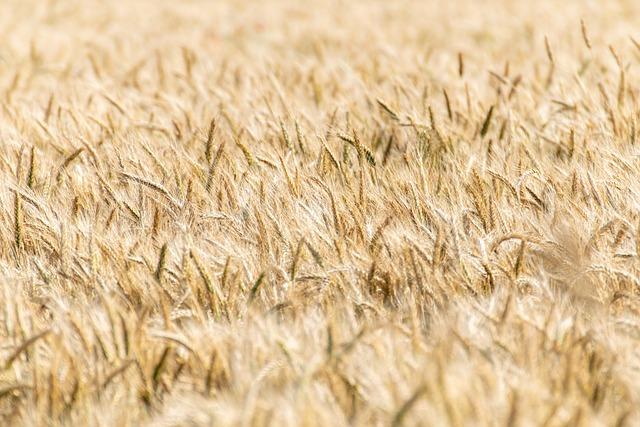
Incorporating Whole Grains into Your Daily Diet for Maximum Benefit
Whole grains are a powerhouse of nutrition and incorporating them into your meals can be both simple and rewarding. Start by swapping refined grains with whole grain alternatives. Oats, quinoa, and brown rice are excellent choices to begin with, offering a versatile base for a variety of dishes. For breakfast, consider a warm bowl of oatmeal topped with fresh fruits and nuts. When preparing lunch or dinner, opt for quinoa or bulgur as a side dish instead of white rice or pasta. Not only do these grains provide a delightful texture, but they also enhance the nutritional value of your meal.
- Use whole grain bread for sandwiches.
- Experiment with barley in soups and stews.
- Add millet or farro to salads for a nutty flavor.
Incorporating whole grains doesn’t have to be a daunting task. Gradually introducing them into your diet allows your taste buds to adjust while your body benefits from the increased fiber and essential nutrients. Keep an eye out for whole grain options when grocery shopping and try new recipes to keep your meals exciting and health-focused.
Choosing the Best Whole Grains for Your Nutritional Needs
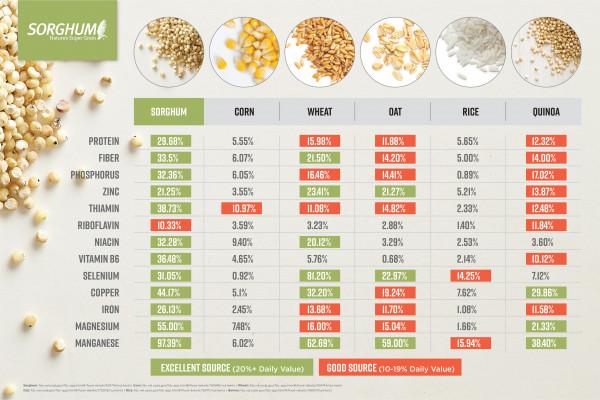
Incorporating whole grains into your diet can be a delightful journey of discovery, offering a myriad of flavors, textures, and health benefits. When selecting the best whole grains to meet your nutritional needs, it’s essential to consider both their unique attributes and how they align with your dietary goals. Here are some key options to explore:
- Quinoa: Known as a complete protein, quinoa is rich in essential amino acids and is a great choice for vegetarians and vegans. It also provides a good dose of fiber, iron, and magnesium.
- Brown Rice: A versatile staple, brown rice is packed with B vitamins, manganese, and selenium, making it a nutritious base for a variety of meals.
- Barley: With its chewy texture and nutty flavor, barley is an excellent source of soluble fiber, which can help lower cholesterol and improve heart health.
- Oats: Celebrated for their heart-healthy properties, oats contain beta-glucans, a type of soluble fiber that can aid in reducing cholesterol levels.
- Bulgur: Quick to cook and high in fiber, bulgur is a fantastic option for those seeking to boost digestive health while enjoying a subtle, nutty taste.
By understanding the distinct benefits of each grain, you can tailor your choices to best support your health objectives, whether you’re aiming to increase your protein intake, enhance heart health, or simply enjoy a diverse and balanced diet.