



















In the ever-evolving landscape of nutrition and wellness, the debate between low-fat and high-fat diets has become a culinary tug-of-war, captivating health enthusiasts and skeptics alike. On one side, we have the advocates of low-fat diets, who champion the virtues of minimizing fat intake to promote heart health and weight loss. On the other, proponents of high-fat diets extol the benefits of embracing fats, arguing that they can lead to enhanced satiety and metabolic efficiency. As we delve into the pros and cons of these contrasting dietary philosophies, we embark on a journey through the science, myths, and realities that shape our understanding of fat in the modern diet. Whether you’re navigating the aisles of a grocery store or crafting a meal plan, understanding the nuances of these dietary approaches can empower you to make informed choices tailored to your personal health goals.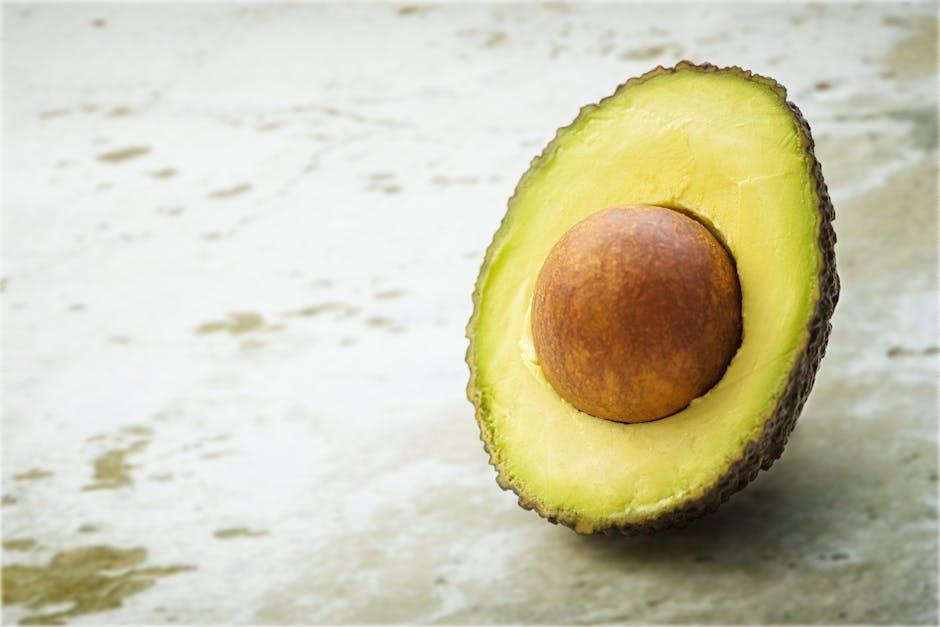
Exploring Nutritional Benefits and Drawbacks
When it comes to the nutritional benefits of low-fat diets, many people appreciate the potential for weight management and heart health. These diets often emphasize fruits, vegetables, whole grains, and lean proteins, which are rich in essential nutrients and fiber. Benefits include:
- Lower cholesterol levels
- Reduced risk of heart disease
- Improved digestion
However, low-fat diets can sometimes lead to drawbacks such as a deficiency in fat-soluble vitamins (A, D, E, and K) and a lack of essential fatty acids. This can result in:
- Decreased energy levels
- Hormonal imbalances
- Poor absorption of nutrients
On the other hand, high-fat diets, particularly those rich in healthy fats like avocados, nuts, and olive oil, can offer unique advantages. These include enhanced brain function and increased satiety, which may help in reducing overall calorie intake. Key benefits include:
- Improved cognitive function
- Better blood sugar control
- Enhanced metabolic health
Yet, the downsides of high-fat diets often revolve around the increased risk of cardiovascular issues, particularly if the diet includes a high intake of saturated and trans fats. Potential issues include:
- Higher cholesterol levels
- Increased risk of heart disease
- Potential weight gain
Metabolic Impacts on Health and Well-being
When it comes to dietary choices, the metabolic impact of low-fat versus high-fat diets can be profound, influencing not just weight management but also overall health and well-being. Low-fat diets are often championed for their potential to lower cholesterol levels and reduce the risk of heart disease. These diets typically emphasize carbohydrates and lean proteins, providing a sense of fullness while maintaining lower caloric intake. However, they can sometimes lead to increased consumption of processed carbs, which may spike blood sugar levels and contribute to insulin resistance.
On the flip side, high-fat diets, such as the ketogenic diet, focus on shifting the body’s primary energy source from carbohydrates to fats. This can enhance fat metabolism and promote sustained energy levels. The benefits include potential improvements in mental clarity and reduced hunger. Yet, the risks may involve increased LDL cholesterol and a strain on liver function if not managed carefully. Key considerations include:
- Balance: Ensuring a well-rounded intake of nutrients is crucial, regardless of fat intake.
- Personalization: Individual metabolic responses can vary, necessitating a tailored approach.
- Sustainability: The long-term adherence to any diet significantly impacts its effectiveness.

Personalizing Your Dietary Choices
In the quest for optimal health, understanding the nuances of low-fat and high-fat diets is crucial. Each approach has its own set of benefits and challenges, which can influence your dietary preferences. Low-fat diets emphasize reducing the intake of fats, focusing instead on carbohydrates and proteins. They are often chosen for their potential to lower cholesterol levels and reduce the risk of heart disease. However, critics argue that these diets can sometimes lead to an overconsumption of refined carbs, which may spike blood sugar levels and lead to energy crashes.
- Benefits of Low-Fat Diets: May lower cholesterol, potentially reduce heart disease risk, generally lower in calories.
- Challenges: Risk of increased refined carb intake, potential for energy fluctuations.
On the flip side, high-fat diets, such as the ketogenic diet, prioritize fats over carbohydrates. Advocates suggest these diets can promote weight loss and provide a steady energy supply by encouraging the body to burn fat for fuel. Nonetheless, concerns exist about the long-term impact on heart health due to high saturated fat intake, and they may not be suitable for everyone.
- Benefits of High-Fat Diets: Can promote weight loss, stable energy levels, may improve metabolic health.
- Challenges: Potential heart health concerns, not universally suitable, may require careful nutrient balancing.

Balancing Fats for Optimal Nutrition
When considering dietary fats, it’s essential to weigh the benefits and drawbacks of both low-fat and high-fat diets. Low-fat diets have been praised for their potential to improve heart health by reducing cholesterol levels. They often emphasize whole grains, fruits, and vegetables, leading to a nutrient-rich intake. However, critics argue that excessively cutting fats can lead to deficiencies in fat-soluble vitamins and essential fatty acids, potentially resulting in hormonal imbalances.
On the other hand, high-fat diets, such as the ketogenic diet, focus on increasing the intake of healthy fats while reducing carbohydrates. This approach can promote satiety and support weight loss by utilizing fats as the primary energy source. Yet, the high consumption of saturated fats in some high-fat diets may increase the risk of cardiovascular issues. Additionally, such diets might lack diversity, limiting the intake of other vital nutrients.
- Pros of Low-Fat Diets: Improved heart health, nutrient-rich intake
- Cons of Low-Fat Diets: Possible vitamin deficiencies, hormonal imbalances
- Pros of High-Fat Diets: Enhanced satiety, potential weight loss
- Cons of High-Fat Diets: Cardiovascular risks, limited nutrient diversity