



















In a world where dietary choices are as varied as the colors of a painter’s palette, the decision to embrace a gluten-free lifestyle stands out as both a personal journey and a culinary adventure. For some, it is a necessary path to health and wellness, while for others, it is a conscious choice driven by the desire to explore new realms of nourishment. As you embark on this transition, it is essential to equip yourself with knowledge, patience, and creativity. This article serves as your guide, illuminating the steps needed to navigate the gluten-free landscape with confidence and ease, ensuring that your journey is as enriching as it is transformative.
Understanding Gluten and Its Impact
Gluten is a group of proteins found in wheat and related grains such as barley, rye, and oats. For some individuals, particularly those with celiac disease or gluten sensitivity, consuming gluten can lead to a range of health issues. These may include digestive discomfort, fatigue, and even neurological symptoms. Understanding gluten’s impact is essential for anyone considering a gluten-free lifestyle. This protein can trigger an immune response in susceptible individuals, causing inflammation and damage to the small intestine over time.
To effectively transition to a gluten-free lifestyle, it’s important to become familiar with hidden sources of gluten. These can often be found in processed foods, sauces, and even some medications. Key steps to consider include:
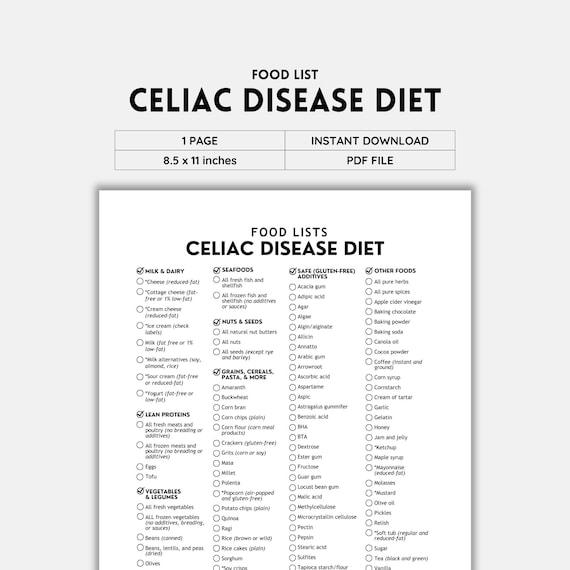
- Reading labels carefully: Look for gluten-free certifications and be aware of terms like “wheat,” “barley,” and “malt.”
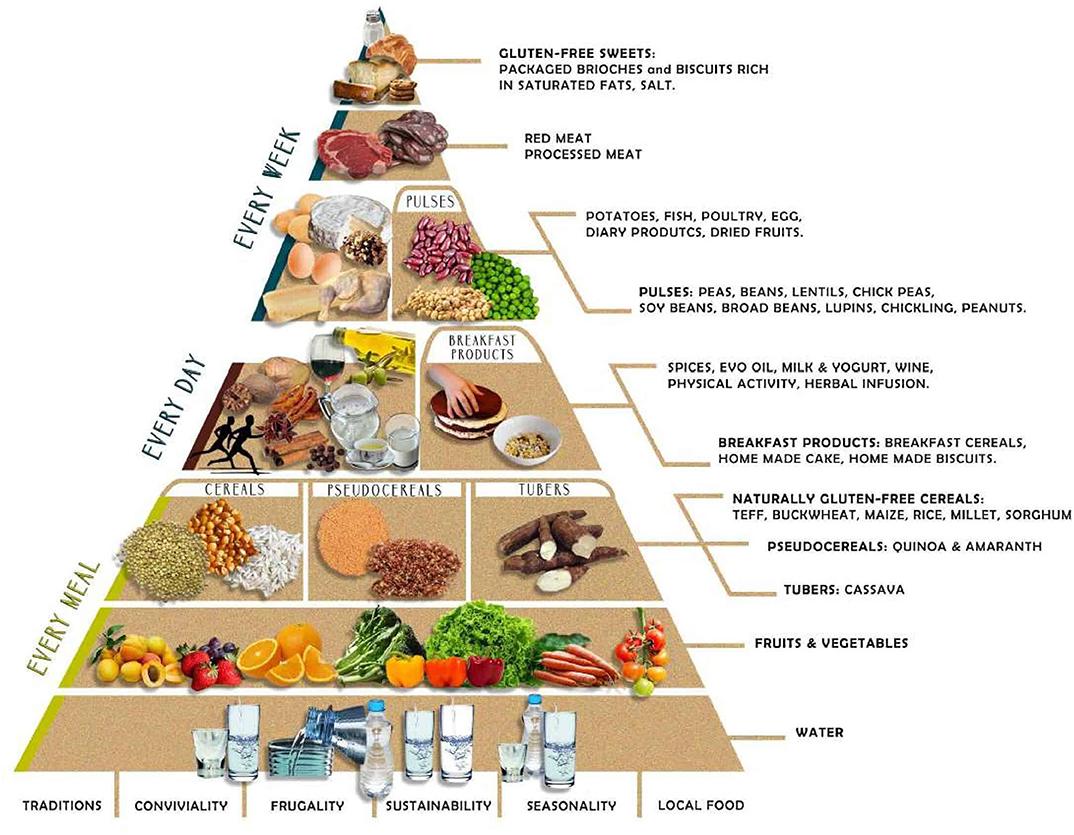
- Exploring naturally gluten-free foods: Fruits, vegetables, lean proteins, and most dairy products are safe options.
- Experimenting with gluten-free grains: Quinoa, rice, and buckwheat can be excellent substitutes in your diet.
- Consulting with a healthcare provider: If you’re unsure about your symptoms or dietary needs, professional guidance can be invaluable.
Navigating the Grocery Aisles with Confidence
Embracing a gluten-free lifestyle can initially seem overwhelming, but with the right strategies, you can maneuver through grocery stores with ease. Start by familiarizing yourself with gluten-free grains such as quinoa, rice, and corn. These can serve as the foundation for many meals, replacing traditional wheat-based options. When shopping, always check the labels for hidden sources of gluten in processed foods. Many products, from sauces to snacks, can contain gluten, even if they don’t seem obvious.
- Explore naturally gluten-free foods: Fresh fruits, vegetables, meats, and dairy are inherently free from gluten and are excellent staples for your diet.
- Be cautious with cross-contamination: Consider buying products from dedicated gluten-free brands or sections to avoid any potential mix-ups.
- Seek out gluten-free certifications: Look for packaging that displays a certified gluten-free label, offering reassurance about the product’s safety.
Building a repertoire of trusted gluten-free brands can simplify shopping trips, as can frequenting stores with a robust selection of gluten-free products. Remember, your journey is unique, and with time, you’ll find the confidence to navigate the aisles and enjoy a diverse, fulfilling diet.
Crafting Delicious and Gluten-Free Meals
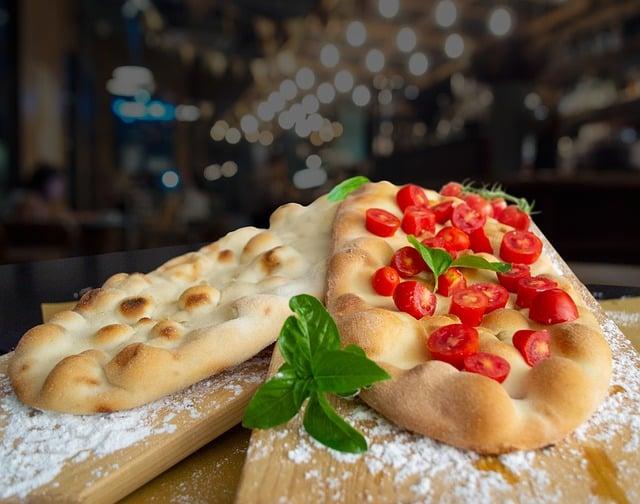
Embracing a gluten-free lifestyle opens up a world of culinary creativity, allowing you to explore an array of flavors and textures while maintaining your health. The key to success lies in reimagining your pantry with naturally gluten-free ingredients and experimenting with innovative recipes. Fresh fruits and vegetables are your best allies, providing essential nutrients and vibrant colors to your meals. Think beyond the usual staples and incorporate quinoa, rice, and millet as delightful bases for your dishes. These grains not only add variety but also offer a satisfying, hearty texture that complements any meal.
When crafting your gluten-free masterpieces, consider the power of spices and herbs to elevate your culinary experience. A well-stocked spice rack can transform simple dishes into gourmet delights. Explore the rich flavors of cumin, turmeric, and coriander, or add a touch of freshness with basil, rosemary, and thyme. For those with a sweet tooth, experimenting with almond or coconut flour in baking can yield delightful results. ensure your kitchen is equipped with gluten-free essentials like tapioca starch, arrowroot powder, and gluten-free soy sauce, so you’re always ready to whip up something delicious and satisfying.
Building a Supportive Gluten-Free Community
Transitioning to a gluten-free lifestyle can be a challenging yet rewarding journey, and finding a supportive community can make all the difference. Whether you’re newly diagnosed with celiac disease or exploring gluten-free living for personal reasons, connecting with others who share your experiences can provide invaluable support and resources. Start by seeking out online forums and social media groups dedicated to gluten-free living. These platforms offer a space to share recipes, product recommendations, and personal stories, helping to foster a sense of belonging.
Engage with local groups or meet-ups that focus on gluten-free lifestyles. These gatherings often feature potlucks, cooking classes, or guest speakers who can offer insights and tips. Building connections with local restaurants and stores that cater to gluten-free diets is also beneficial. By supporting businesses that prioritize gluten-free options, you not only enhance your own experience but also contribute to a more inclusive environment for others. Remember to actively participate and contribute your own experiences and advice, as this creates a reciprocal relationship within the community, strengthening bonds and encouraging growth.