
















In the journey of life, as the chapters of youth gracefully turn into those of maturity, the narrative of physical vitality often faces an unanticipated plot twist: the gradual decline in muscle strength. Yet, within this challenge lies an empowering opportunity. Strength training, a practice often associated with youthful vigor and athletic pursuits, emerges as a transformative force for older adults. This form of exercise, far from being a relic of bygone days, offers a gateway to renewed independence, enhanced well-being, and a fortified resilience against the tides of aging. By embracing the art of resistance, older adults can redefine the aging process, sculpting a future where strength and longevity coexist in harmonious balance. In this exploration, we delve into the compelling reasons why strength training is not merely a physical endeavor but a vital cornerstone for thriving in the golden years.
Building Resilience: The Physical and Mental Benefits of Strength Training
Incorporating strength training into the routine of older adults offers a myriad of benefits that go beyond mere muscle gain. Physically, it enhances bone density, reducing the risk of fractures and osteoporosis. Strength training also improves balance and coordination, essential for preventing falls, which are a leading cause of injury in older populations. Additionally, maintaining muscle mass through resistance exercises can significantly boost metabolism, aiding in weight management and promoting overall vitality.
On the mental front, engaging in regular strength training sessions can lead to improved cognitive function and a heightened sense of well-being. It has been shown to reduce symptoms of anxiety and depression, providing a natural mood elevator. The discipline and focus required during workouts also enhance mental resilience, offering a sense of achievement and empowerment. By fostering both physical and mental strength, strength training becomes a cornerstone of healthy aging, enabling older adults to lead more independent and fulfilling lives.
- Increased bone density
- Improved balance and coordination
- Enhanced metabolism
- Reduced anxiety and depression
- Boosted cognitive function
Strength Training Strategies: Tailoring Workouts for Older Adults
As we age, our bodies undergo a series of changes that can affect our muscle mass, bone density, and overall physical strength. However, incorporating tailored strength training into the routine of older adults can significantly counteract these effects. The key is to customize the workouts to accommodate varying levels of fitness, health conditions, and personal goals. Flexibility and balance exercises are essential components, as they help improve stability and prevent falls. Low-impact resistance training, using bands or light weights, can enhance muscle strength without putting undue stress on the joints.
To create an effective strength training program for older adults, consider the following strategies:
- Start with a comprehensive assessment to understand the individual’s current fitness level and any existing health concerns.
- Incorporate exercises that target all major muscle groups, ensuring a well-rounded workout.
- Gradually increase the intensity and complexity of exercises to build strength and confidence.
- Encourage a mix of activities that promote cardiovascular health alongside muscle strengthening.
- Include rest days and emphasize the importance of recovery to prevent overtraining and injuries.
With these strategies, older adults can enjoy the myriad benefits of strength training, from improved mobility to enhanced quality of life, all while reducing the risk of chronic conditions.

Nutrition and Recovery: Essential Components of a Successful Strength Routine
For older adults engaging in strength training, both nutrition and recovery are vital to achieving and maintaining a robust fitness routine. Proper nutrition provides the necessary fuel for workouts and supports muscle repair and growth. A diet rich in lean proteins, healthy fats, and complex carbohydrates is essential. Including a variety of vitamins and minerals ensures that the body has all the nutrients it needs to function optimally. Key components to consider are:
- Protein: Crucial for muscle repair and growth, especially after workouts.
- Hydration: Maintains joint health and supports overall bodily functions.
- Antioxidants: Help reduce inflammation and promote faster recovery.
Equally important is the focus on recovery, which allows the body to heal and adapt to the stresses of strength training. Incorporating adequate rest periods, such as sleep and active recovery days, helps prevent injury and enhances performance. Stretching and flexibility exercises can improve mobility and reduce the risk of strains. Remember, a well-balanced routine that prioritizes both nutrition and recovery is the foundation for successful strength training at any age.
Overcoming Barriers: Encouraging a Safe and Sustainable Fitness Journey
Strength training is a vital component for maintaining and improving health as we age. It can help mitigate the natural decline in muscle mass, enhance bone density, and improve overall balance, which is crucial for preventing falls. However, many older adults face barriers when it comes to incorporating strength training into their routines. These barriers often include concerns about injury, lack of access to proper equipment, and uncertainty about where to start.
To encourage a safe and sustainable fitness journey, it’s essential to address these concerns and provide practical solutions:
- Education: Providing resources and information on proper techniques can alleviate fears of injury.
- Accessibility: Creating community programs that offer affordable or free access to fitness facilities and equipment.
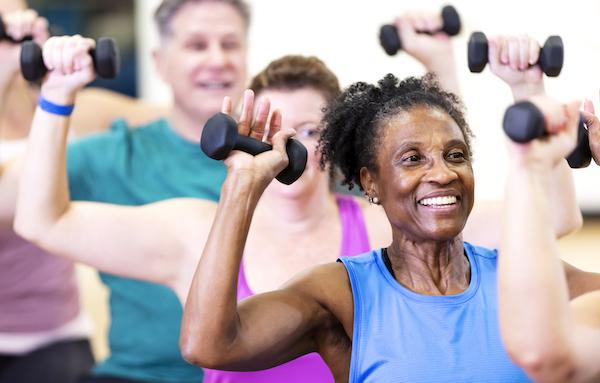
- Support: Encouraging the formation of support groups or classes specifically tailored for older adults to foster a sense of community and motivation.
- Customization: Emphasizing the importance of personalized fitness plans that cater to individual health conditions and fitness levels.
By tackling these barriers, we can empower older adults to embrace strength training, leading to improved quality of life and independence.