





















In an age where our wrists are adorned with digital companions, fitness trackers have emerged as the ubiquitous heralds of health and wellness. These sleek devices promise to transform the mundane into the measurable, converting each step, heartbeat, and hour of sleep into data points ripe for analysis. But as we become ever more entwined with these electronic monitors, a question looms large: Are fitness trackers truly the panacea for a healthier lifestyle, or have we overestimated their prowess? This article delves into the heart of this debate, exploring whether these gadgets are indispensable tools in our wellness arsenal or simply another overhyped trend in the relentless pursuit of self-optimization.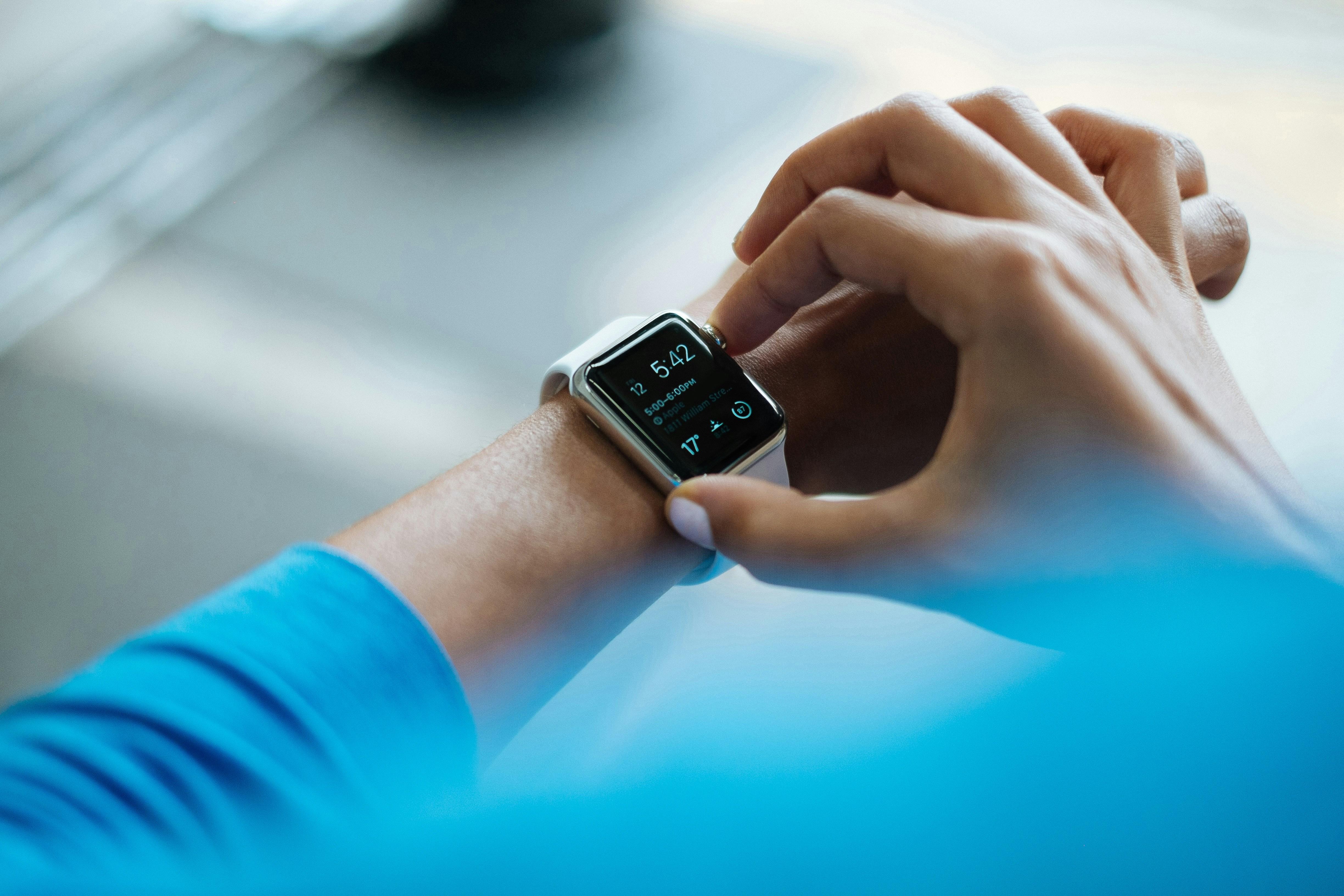
The Illusion of Precision: How Accurate Are Fitness Trackers
In a world where technology is seamlessly woven into the fabric of daily life, fitness trackers have emerged as indispensable companions for millions. These sleek devices promise to deliver a plethora of data points, from steps taken to calories burned, and even sleep quality. But, in our pursuit of a healthier lifestyle, how reliable are these metrics? Accuracy is often touted as a selling point, yet studies suggest that while fitness trackers can be quite adept at counting steps, they might falter when it comes to more complex measurements such as heart rate or calorie expenditure. This potential disparity raises the question of whether the precision offered is more of an illusion than a reality.
Consider these points when evaluating your device:
- Heart Rate Monitoring: Optical sensors can be affected by skin tone, tattoos, or even the tightness of the strap, leading to inconsistent readings.
- Calorie Counting: Algorithms used to estimate calorie burn can vary significantly between brands, often relying on generalized data.
- Sleep Tracking: Many devices struggle to differentiate between light sleep and moments of inactivity, potentially skewing your sleep insights.
While these devices offer a convenient snapshot of your daily activities, it’s important to view their data as a guide rather than an absolute truth. Embracing the journey to better health involves not just numbers, but also an understanding of one’s own body and its unique rhythms.

Beyond Steps: Exploring the Limitations of Wearable Tech
While fitness trackers have undoubtedly revolutionized personal health monitoring, they are not without their constraints. These devices excel at quantifying steps, heart rate, and even sleep patterns, but they often fall short in delivering a holistic picture of one’s health. Precision in measuring calorie burn, for instance, is frequently debated. The algorithms used to estimate caloric expenditure can vary significantly between brands, leading to potential inaccuracies that may mislead users who rely heavily on these metrics for dietary planning.
Moreover, fitness trackers sometimes fail to account for the qualitative aspects of well-being. Consider the following limitations:
- Emotional and mental health metrics: Current technology struggles to measure stress levels, mood, or mental fatigue accurately.
- Individual variability: Factors such as metabolism, muscle mass, and overall fitness level can skew data interpretation.
- Contextual awareness: These devices often lack the ability to understand the context of an activity, such as the difference between a leisurely walk and a strenuous hike.
Ultimately, while fitness trackers can be a useful tool in the quest for better health, they should be seen as a component of a broader health strategy rather than the sole authority.
The Psychological Impact: Motivation or Obsession?
Fitness trackers have seamlessly integrated into our daily routines, promising to transform the way we perceive physical health. Yet, the psychological implications of these devices remain a subject of debate. On one hand, they can serve as powerful motivators, encouraging users to push boundaries and achieve fitness goals. Seeing tangible data such as steps taken or calories burned can instill a sense of accomplishment and drive individuals to maintain or increase their activity levels.
- Provides real-time feedback
- Encourages accountability
- Facilitates goal setting
Conversely, the constant stream of data can lead to an unhealthy obsession with numbers. The pressure to meet daily targets may transform fitness into a chore rather than a joy, overshadowing the intrinsic benefits of exercise. The allure of perfect statistics can sometimes result in stress, anxiety, or even burnout, as users feel compelled to outperform themselves or others.
- Can lead to over-exertion
- May cause stress and anxiety
- Potentially fosters unhealthy competition
Making the Most of Your Fitness Tracker: Tips for Effective Use
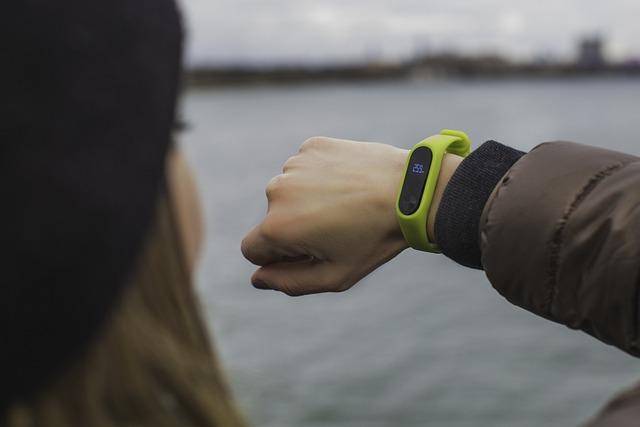
Fitness trackers have become ubiquitous, but to truly harness their potential, it’s essential to use them wisely. Here are some tips to elevate your fitness tracking experience:
- Set Realistic Goals: Tailor your tracker settings to match your personal fitness objectives. Whether it’s achieving 10,000 steps a day or tracking sleep patterns, aligning your tracker with your goals ensures that you stay motivated and focused.
- Customize Notifications: Most trackers allow you to customize alerts for various activities. Use this feature to remind yourself of hydration breaks, movement goals, or even mindfulness moments throughout the day.
- Sync with Other Apps: Enhance your data insights by syncing your tracker with nutrition or meditation apps. This integration can provide a holistic view of your health and help you make informed decisions.
Remember, a fitness tracker is a tool, not a solution. Consistency and awareness in its use will amplify its benefits, making it an invaluable companion on your wellness journey.