














In the ever-evolving landscape of dietary trends, one nutritional powerhouse consistently stands out for its remarkable benefits: protein. Imagine a diet that not only satiates your hunger but also fuels your metabolism, helping you shed those stubborn pounds. Welcome to the world of high-protein diets, where each meal becomes a stepping stone toward achieving your weight loss goals. This article delves into the myriad benefits of incorporating more protein into your diet, unraveling the science behind its role in weight management. Whether you’re a fitness enthusiast or someone seeking a healthier lifestyle, discover how protein can be your ally in the journey toward a leaner, healthier you.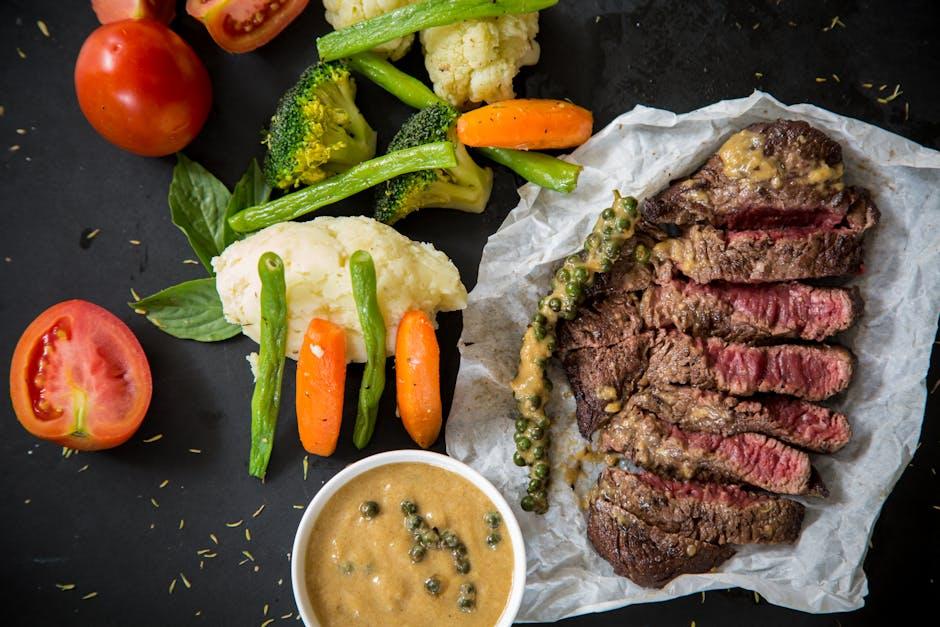
Understanding Protein: The Building Block of Weight Loss
Protein plays a crucial role in the journey of shedding extra pounds, acting as a powerhouse that fuels your weight loss efforts. Unlike other nutrients, protein requires more energy to digest, which means your body burns more calories in the process. This is known as the thermic effect of food, and it can give your metabolism a significant boost. Moreover, protein is instrumental in preserving lean muscle mass during weight loss, ensuring that the weight you lose comes primarily from fat. This is particularly important as muscle tissue burns more calories than fat tissue, even at rest.
- Increased Satiety: Protein helps keep hunger pangs at bay by promoting feelings of fullness, reducing the likelihood of overeating.
- Muscle Preservation: It supports muscle maintenance, which is essential for maintaining a healthy metabolism.
- Improved Metabolism: The thermic effect of protein can lead to a higher calorie burn compared to fats and carbohydrates.
By incorporating more high-protein foods into your diet, such as lean meats, legumes, and dairy products, you can harness these benefits to enhance your weight loss strategy. Embracing a high-protein diet not only aids in weight management but also contributes to overall health and well-being.
Balancing Macronutrients: Crafting a High-Protein Meal Plan
Creating a high-protein meal plan that maintains a balance of macronutrients can seem daunting, but with a few guiding principles, it becomes an enjoyable culinary adventure. The key is to incorporate a variety of protein sources while ensuring a harmonious blend with fats and carbohydrates. This approach not only promotes satiety but also aids in efficient energy utilization. To craft a well-rounded meal plan, consider including the following:
- Lean meats such as chicken, turkey, and fish, which provide substantial protein with minimal fat.
- Plant-based proteins like lentils, chickpeas, and tofu for a diverse nutrient profile and fiber content.
- Dairy products such as Greek yogurt and cottage cheese, which offer a good balance of protein and calcium.
While protein is the star of the show, it’s crucial to pair it with healthy fats and complex carbohydrates. Avocados, nuts, and olive oil are excellent sources of good fats, while whole grains and vegetables supply essential vitamins and minerals. This balanced approach ensures that your body receives the nutrients it needs to function optimally while supporting weight loss goals.
The Science Behind Protein-Induced Satiety and Metabolism Boost
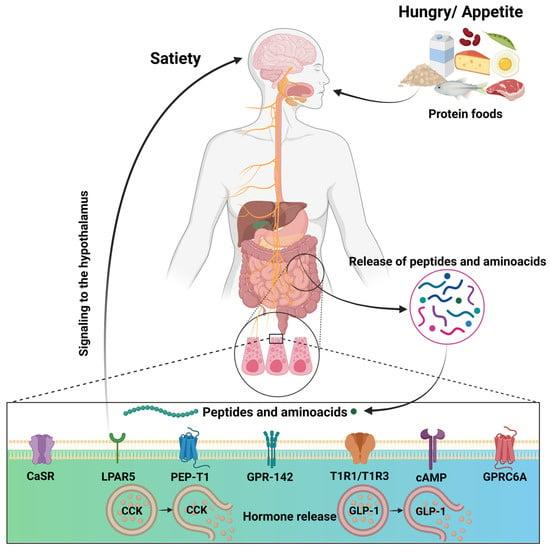
Delving into the molecular mechanisms of a high-protein diet reveals fascinating insights into how proteins can significantly influence feelings of fullness and metabolic rates. Proteins are known to enhance the secretion of satiety hormones such as peptide YY and glucagon-like peptide-1, which communicate with the brain to signal fullness. This hormonal surge not only reduces overall calorie intake but also diminishes the frequency of hunger pangs, making it easier to adhere to a calorie-controlled diet.
Furthermore, the metabolic advantages of protein consumption are equally compelling. The thermic effect of food (TEF), which refers to the energy expended during digestion, absorption, and assimilation of nutrients, is notably higher for proteins compared to fats and carbohydrates. This means that the body uses more energy to process proteins, leading to a natural boost in metabolism. Additionally, proteins play a critical role in preserving lean muscle mass, especially during weight loss, ensuring that the body’s metabolic rate remains elevated. Key benefits of this metabolic boost include:
- Increased energy expenditure
- Improved muscle retention
- Enhanced fat oxidation
Practical Tips for Incorporating More Protein into Your Diet
Integrating more protein into your daily meals doesn’t have to be a daunting task. Here are some practical strategies to effortlessly boost your protein intake:
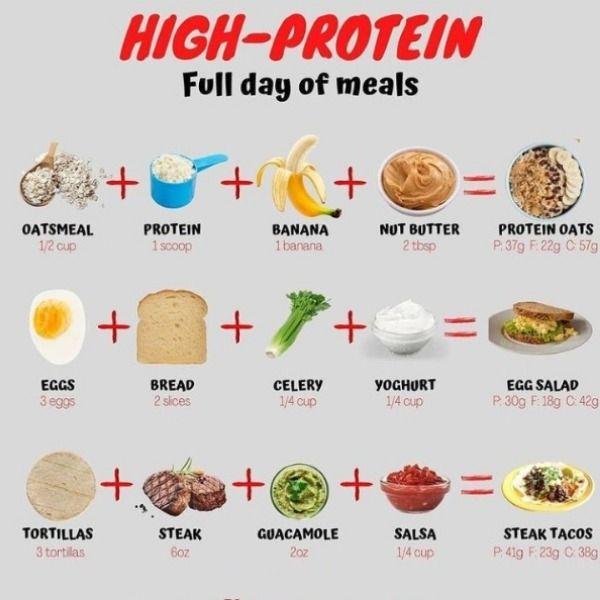
- Start Your Day Right: Opt for a protein-rich breakfast like Greek yogurt with nuts or a smoothie blended with protein powder and fresh fruits. This sets a solid foundation for your nutritional needs throughout the day.
- Snack Smart: Choose snacks like hard-boiled eggs, cottage cheese, or a handful of almonds. These options not only satisfy hunger pangs but also contribute significantly to your protein goals.
- Double Up on Protein Sources: Combine different protein sources in a single meal. For example, add beans to a chicken salad or toss some tofu into your stir-fry alongside lean beef.
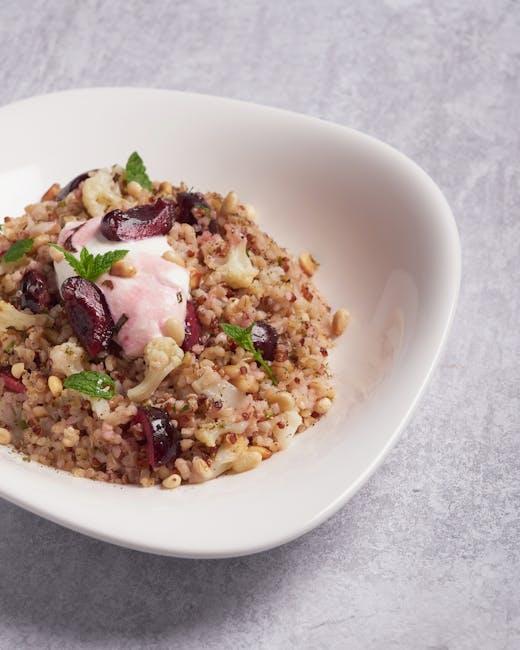
- Be Creative with Ingredients: Incorporate protein-rich grains such as quinoa or amaranth in your meals. They can be a great base for salads or side dishes, offering a unique texture and flavor profile.
By making small, conscious changes, you can ensure your diet is rich in protein without compromising on variety or taste. Each meal becomes an opportunity to nourish your body effectively, supporting your weight loss journey.