





















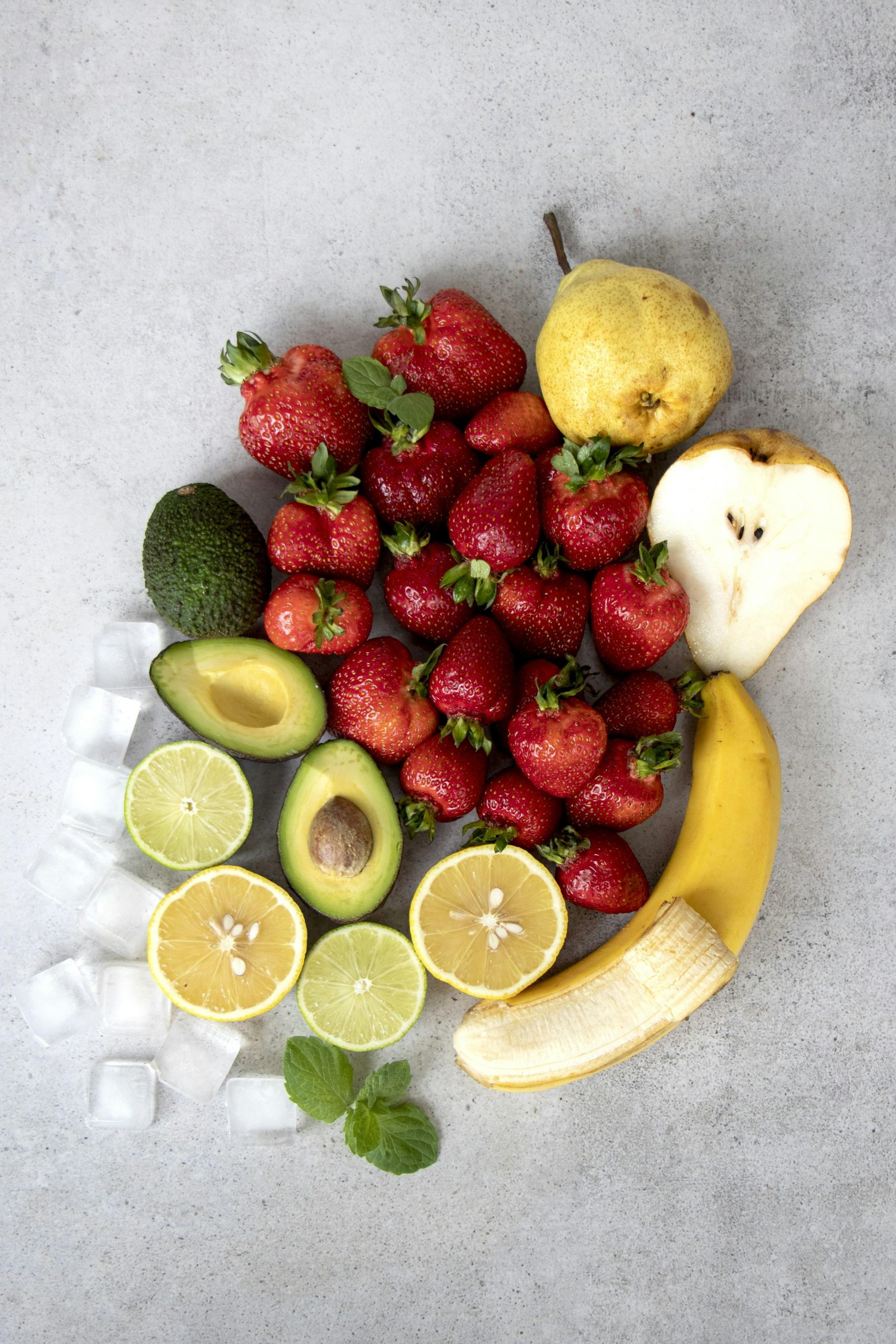
In a world where convenience often trumps nutrition, the allure of processed foods can be hard to resist. Brightly packaged and readily available, these foods have quietly woven themselves into the fabric of our daily lives. Yet, beneath their shiny exteriors often lies a concoction of preservatives, artificial flavors, and hidden sugars that can compromise our health over time. Navigating the modern dietary landscape can feel like walking through a minefield of mystery ingredients and cleverly marketed snacks. This article seeks to illuminate a path toward a more wholesome way of eating, offering practical tips and insightful strategies to help you sidestep the pitfalls of processed foods. Whether you’re a seasoned health enthusiast or just beginning your journey towards cleaner eating, these guidelines will empower you to make informed choices that nourish both body and soul.
Understanding Processed Foods and Their Impact
In our modern world, processed foods have become a staple in many households due to their convenience and long shelf life. These foods often undergo various forms of processing to enhance flavor, texture, or preservation. While they might save time, they can have significant implications on our health. Common additives such as preservatives, flavor enhancers, and artificial sweeteners are designed to make food more appealing, but they often come at the cost of nutritional value. Moreover, the consumption of such foods is linked to various health issues, including obesity, heart disease, and diabetes.
- Preservatives: These chemicals extend shelf life but can cause adverse reactions in some individuals.
- Flavor Enhancers: Ingredients like MSG are used to intensify taste but can lead to headaches and other symptoms.
- Artificial Sweeteners: Often found in diet products, they may disrupt metabolism and gut health.
To mitigate these impacts, it is crucial to become more discerning about what we consume. Reading labels is an essential first step, allowing us to identify and avoid foods with a high degree of processing. Additionally, opting for whole foods like fresh fruits, vegetables, and grains can significantly reduce reliance on processed options. Preparing meals at home using simple, natural ingredients not only promotes better health but also offers the satisfaction of creating nourishing dishes from scratch.

Decoding Food Labels for Healthier Choices
Understanding the intricacies of food labels can empower you to make more informed choices at the grocery store. Start by focusing on the ingredient list. If you notice a long list of ingredients with names that sound more like a chemistry experiment than food, it’s likely highly processed. Look for foods with a short ingredient list where you recognize each component. Whole foods like fruits, vegetables, and whole grains should be the stars of your shopping cart.
Be wary of terms like “natural” or “organic” on packaging, as these can sometimes be misleading. Instead, prioritize products labeled as “whole” or “minimally processed.” Pay attention to the amount of added sugars, sodium, and unhealthy fats by checking the nutritional facts panel. A few quick tips include:
- Opt for fresh or frozen over canned goods.
- Choose whole-grain versions of bread, pasta, and rice.
- Avoid products with high-fructose corn syrup or hydrogenated oils.
By decoding these labels, you can steer clear of overly processed items and make healthier choices for you and your family.

Creative Cooking with Whole Ingredients
Transforming your daily meals to embrace whole ingredients can be a delightful culinary adventure. Begin by embracing nature’s bounty—opt for fresh fruits and vegetables instead of canned or frozen alternatives. This not only enhances flavor but also boosts nutritional value. Whole grains like quinoa, brown rice, and oats can replace refined grains, adding a wholesome texture to your dishes. Explore the myriad possibilities of nuts and seeds as they can be perfect snacks or exquisite garnishes.
- Choose raw honey or pure maple syrup over processed sugars for natural sweetness.
- Substitute store-bought sauces with homemade versions using herbs and spices.
- Integrate legumes like lentils and chickpeas for protein-rich meals.
- Experiment with making your own bread and pasta to avoid preservatives.
Incorporating these simple swaps can turn ordinary meals into extraordinary feasts, all while nurturing your body with unprocessed goodness. Let your kitchen become a playground where creativity and health coexist harmoniously.
Building a Sustainable Whole Foods Pantry
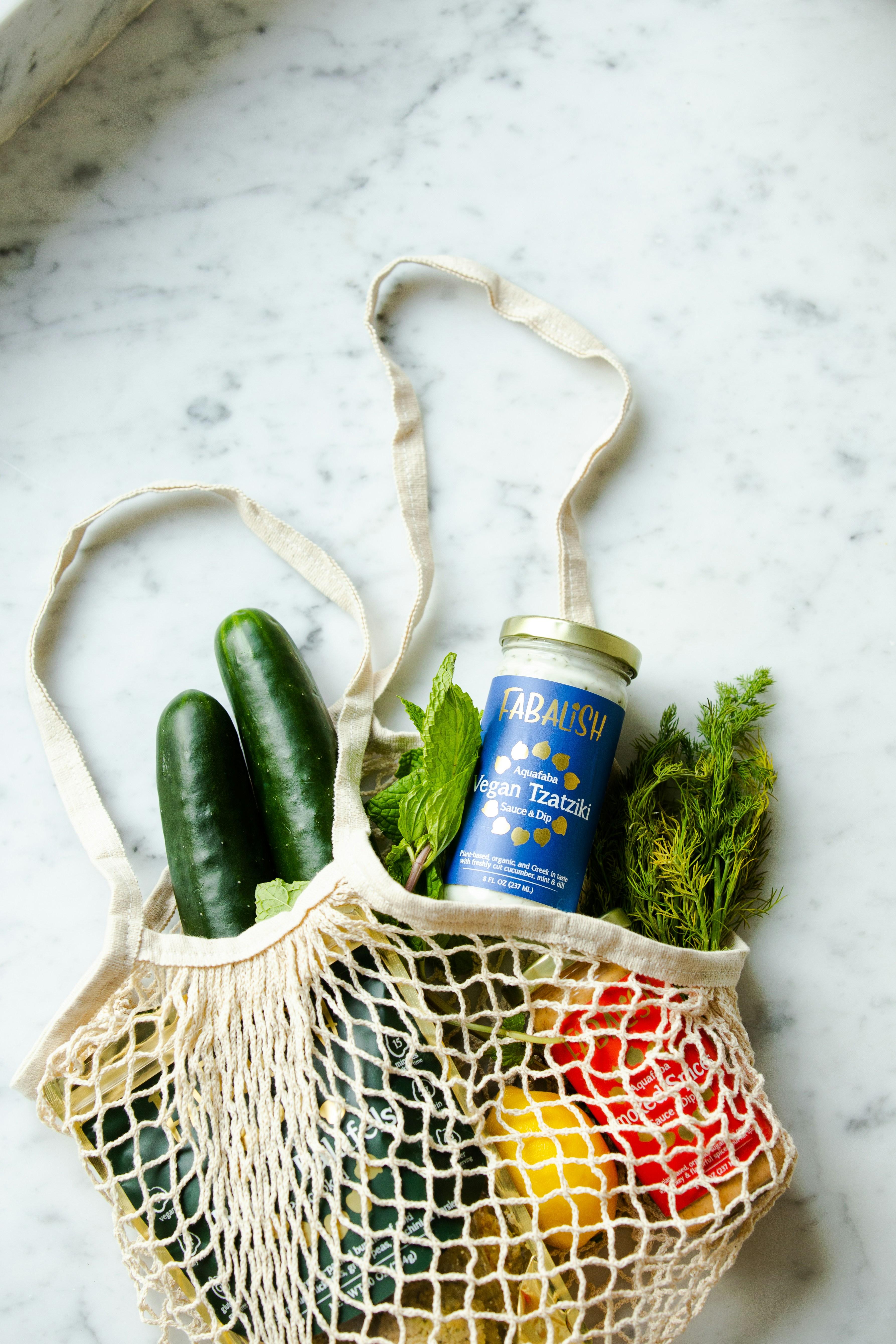
Transforming your pantry into a haven of whole foods is a rewarding journey that begins with conscious choices and strategic planning. The first step is to familiarize yourself with the vast array of natural ingredients available. Stock up on staples like whole grains, legumes, nuts, and seeds, which not only provide essential nutrients but also serve as the building blocks for countless recipes. Dive into the vibrant world of dried herbs and spices to enhance flavor without the need for artificial additives. Additionally, consider incorporating natural sweeteners like honey or maple syrup, and opt for cold-pressed oils such as olive or coconut oil, which offer healthier alternatives to highly processed counterparts.
- Choose organic and locally-sourced produce whenever possible to support sustainable farming practices.
- Invest in reusable containers to store bulk items, reducing packaging waste and encouraging mindful purchasing.
- Explore fermented foods like sauerkraut or kimchi for their gut-health benefits.
- Always read labels carefully, prioritizing items with minimal ingredients and avoiding those with unfamiliar or unpronounceable names.
By gradually introducing these changes, you’ll not only cultivate a pantry that aligns with a whole foods philosophy but also foster a healthier, more sustainable lifestyle. Remember, it’s about progress, not perfection, and every small step counts in creating a nourishing environment for you and your family.