




















In a world where dietary trends come and go like the changing seasons, one nutritional staple has stood the test of time, quietly nurturing civilizations for millennia: whole grains. From the golden fields of ancient Mesopotamia to the bustling kitchens of modern homes, these humble grains have woven themselves into the very fabric of human sustenance. While often overshadowed by more glamorous superfoods, whole grains offer a wealth of benefits that are integral to a balanced diet. As we delve into the importance of these nutritional powerhouses, we uncover not just the science behind their health benefits, but also the rich tapestry of culture and tradition they represent. Join us as we explore the vital role whole grains play in nourishing our bodies and enriching our lives, one wholesome bite at a time.
Exploring the Nutritional Riches of Whole Grains
Whole grains are a powerhouse of essential nutrients that play a vital role in maintaining overall health. Unlike refined grains, which are stripped of valuable components during processing, whole grains retain the bran, germ, and endosperm, offering a complete package of nutrition. Rich in fiber, they aid in digestion and help maintain a healthy weight by keeping you fuller for longer. Additionally, they provide a wealth of B vitamins, iron, magnesium, and selenium, which support energy production, immune function, and bone health.
- Fiber: Promotes healthy digestion and helps control blood sugar levels.
- Antioxidants: Protect cells from damage and reduce inflammation.
- Protein: Supports muscle growth and repair.
- Vitamins and minerals: Essential for energy metabolism and maintaining strong bones.
Incorporating whole grains into your daily meals can be both simple and delicious. From hearty oatmeal breakfasts to versatile quinoa salads, the possibilities are endless. Embracing these nutritional gems not only enhances the flavor of your dishes but also ensures that your diet is rich in the essential nutrients your body craves.
Whole Grains and Heart Health: A Lifelong Partnership
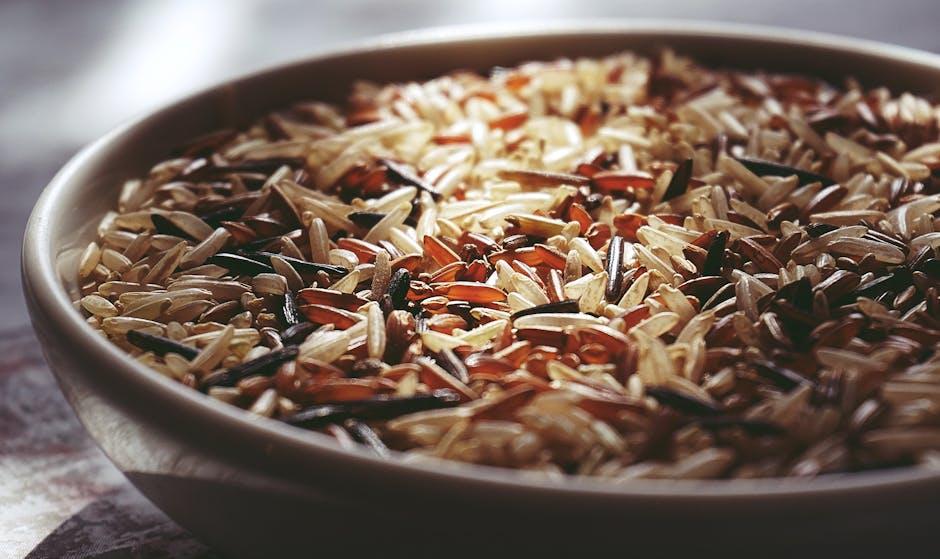
Whole grains are more than just a dietary staple; they are a crucial ally in maintaining cardiovascular well-being. Packed with essential nutrients, these grains are known to reduce the risk of heart disease, thanks to their high content of fiber, vitamins, and minerals. By incorporating whole grains into your daily meals, you are not only enriching your diet but also fortifying your heart’s defenses. Consider the diverse array of whole grains available:
- Oats: Known for their cholesterol-lowering properties, oats are a heart-friendly breakfast choice.
- Brown Rice: A versatile grain that provides magnesium, a mineral essential for heart health.
- Quinoa: A complete protein that offers a boost of fiber and heart-healthy fats.
- Barley: Its high beta-glucan content helps reduce cholesterol levels.
Adopting a diet rich in whole grains doesn’t have to be daunting. By simply swapping refined grains for whole ones, you are making a significant step towards a healthier heart. Embrace this lifelong partnership and let whole grains be the cornerstone of your heart-healthy lifestyle.
Incorporating Whole Grains into Your Daily Meals
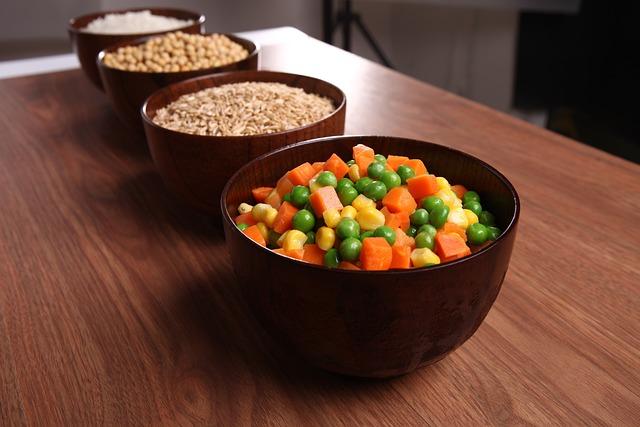
Whole grains are a versatile and delicious addition to any meal plan, offering a myriad of ways to enhance both taste and nutrition. Start your day with a bowl of oatmeal topped with fresh fruits and nuts for a hearty breakfast that will keep you satisfied. For lunch, consider swapping white rice with quinoa or farro in your salad to add texture and a nutty flavor. When it comes to dinner, whole-grain pasta or barley can be the star of a nourishing dish that the whole family will enjoy.
Here are some simple ideas to seamlessly integrate whole grains into your meals:
- Breakfast Boost: Add a sprinkle of wheat germ to your morning yogurt or smoothie for an extra dose of fiber.
- Snack Smart: Opt for popcorn as a whole-grain snack, seasoned with your favorite spices.
- Baking Benefits: Use whole wheat flour in your baking recipes for a wholesome twist on traditional treats.
By making these small changes, you not only enhance the nutritional value of your meals but also embrace a more varied and flavorful diet.
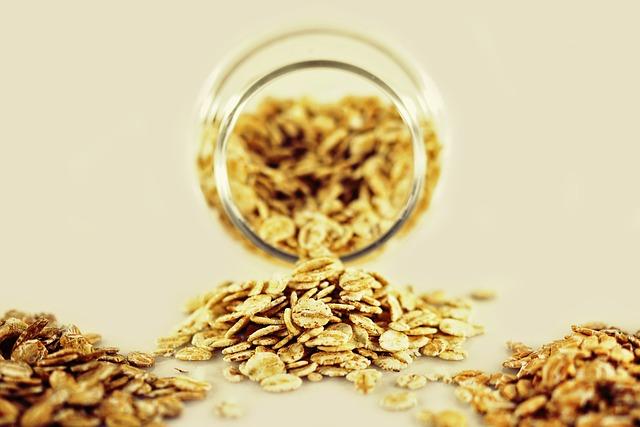
Making Smart Grain Choices: Tips for a Balanced Diet
Incorporating whole grains into your diet can significantly enhance your nutritional intake and promote overall well-being. Unlike refined grains, whole grains retain all parts of the grain kernel, providing a richer source of essential nutrients. This includes dietary fiber, which aids in digestion and helps maintain a healthy weight. Additionally, whole grains are packed with vitamins and minerals such as B vitamins, iron, magnesium, and selenium. These nutrients are crucial for various bodily functions, including energy production and immune support.
- Opt for variety: Include a diverse range of whole grains in your meals like quinoa, brown rice, barley, and whole wheat to ensure a broad spectrum of nutrients.
- Read labels carefully: Look for the term “whole grain” on packaging to ensure you’re making a nutritious choice.
- Substitute wisely: Replace refined grain products with whole grain alternatives, such as swapping white bread for whole grain bread or using whole grain pasta.
Making these smart grain choices not only enriches your diet but also supports long-term health by reducing the risk of chronic diseases such as heart disease and type 2 diabetes. A balanced diet with whole grains is a step towards a healthier lifestyle.