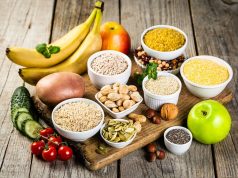





















In a world where the kaleidoscope of food choices can often overwhelm, many are turning to the vibrant realm of plant-based eating, seeking nourishment not just for the body, but for the soul. The quest for essential nutrients, those microscopic powerhouses that fuel our every move, has led us to explore the rich tapestry of flavors and textures found in nature’s bounty. Yet, as we navigate this verdant path, questions arise: Can a plant-based diet truly provide all the nutrients our bodies crave? How do we unlock the potential of these earth-grown treasures? In this article, we embark on a journey through gardens and fields, uncovering the secrets of plant-based nutrition and offering a guide to harnessing the full spectrum of essential nutrients from the vibrant world of plants. Join us as we delve into the art and science of nourishing ourselves from the roots up, celebrating the diversity and vitality that a plant-based lifestyle offers.
Unlocking Plant Power: Understanding Nutrient Density
When it comes to maximizing your health through a plant-based diet, understanding the concept of nutrient density is key. This involves choosing foods that provide a high concentration of essential nutrients relative to their calorie content. Plants are powerhouses of vitamins, minerals, antioxidants, and phytochemicals, making them an excellent choice for nutrient-rich meals. By focusing on a variety of plant-based foods, you can ensure you’re getting the nutrients your body needs to thrive.
- Leafy greens: Spinach, kale, and Swiss chard are rich in iron, calcium, and vitamins A, C, and K.
- Whole grains: Quinoa, brown rice, and oats provide fiber, B vitamins, and essential minerals.
- Nuts and seeds: Almonds, chia seeds, and flaxseeds are excellent sources of healthy fats, protein, and omega-3 fatty acids.
- Legumes: Lentils, chickpeas, and black beans are packed with protein, fiber, and a variety of vitamins and minerals.
- Fruits: Berries, oranges, and bananas offer antioxidants, vitamin C, and potassium.
By incorporating a diverse array of these nutrient-dense foods into your daily meals, you can enjoy the full spectrum of benefits they offer, from improved energy levels to better immune function. Remember, the more colorful your plate, the more likely you are to be getting a wide range of nutrients.

Greens and Grains: Building a Balanced Plant-Based Plate
Creating a nourishing plant-based plate involves a harmonious blend of greens and grains, each offering a distinct set of nutrients essential for health. Start with a base of vibrant leafy greens like kale, spinach, or Swiss chard. These greens are rich in vitamins A, C, and K, as well as minerals like iron and calcium. Complement them with a variety of grains such as quinoa, brown rice, or farro. Grains provide complex carbohydrates and are a valuable source of protein and fiber, ensuring sustained energy levels and promoting digestive health.
- Protein: Incorporate legumes like lentils, chickpeas, and black beans, which are high in protein and fiber.
- Healthy Fats: Add nuts and seeds such as almonds, chia seeds, or flaxseeds to boost omega-3 fatty acids.
- Vitamins & Minerals: Include a variety of colorful vegetables like bell peppers, carrots, and sweet potatoes for a wide range of micronutrients.
By thoughtfully combining these elements, a plant-based diet can deliver all the essential nutrients needed for a balanced and vibrant lifestyle.
The Protein Puzzle: Meeting Your Needs Without Meat
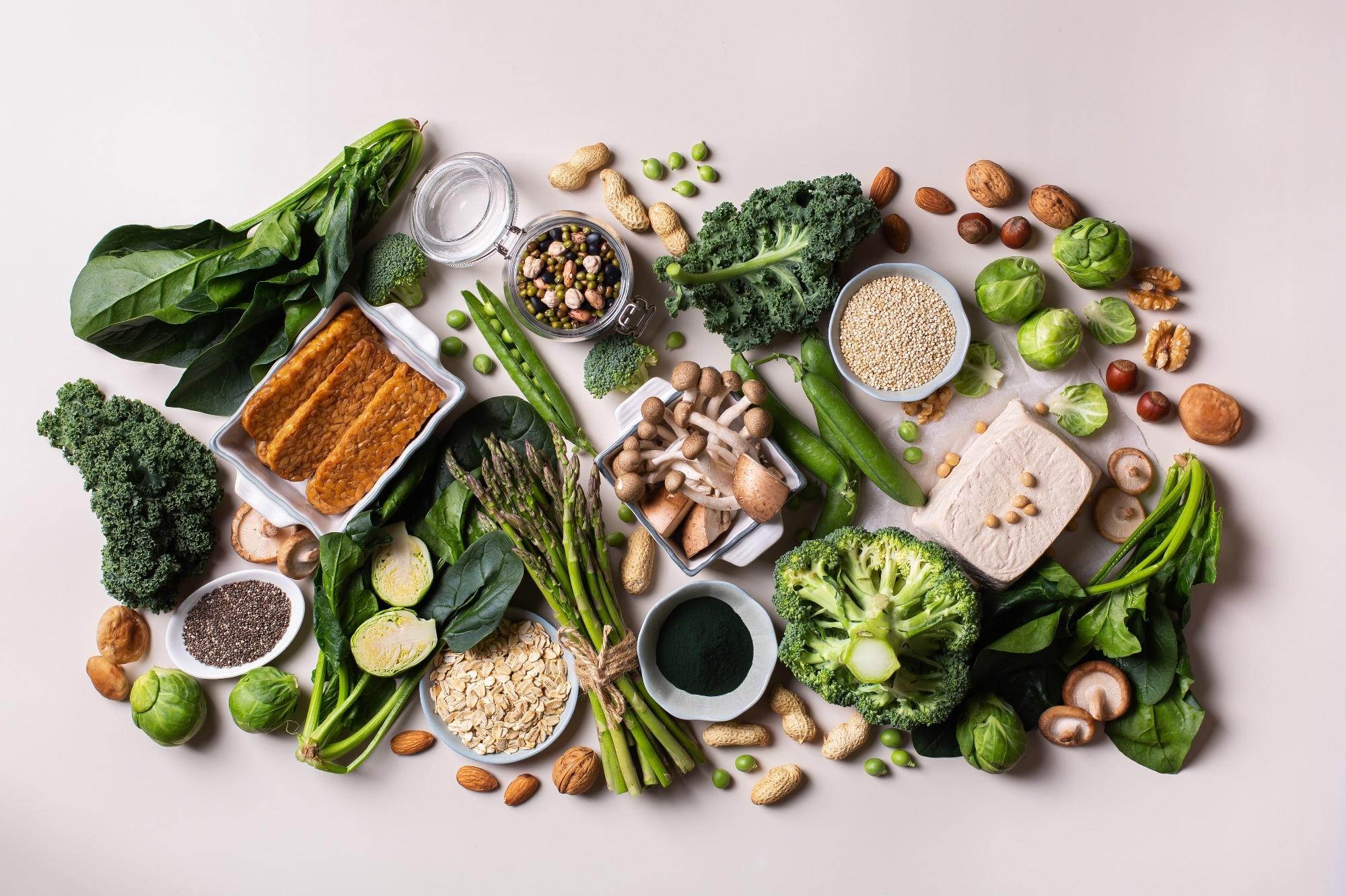
Transitioning to a plant-based diet doesn’t mean sacrificing your protein intake. In fact, the world of plant-based foods offers a diverse array of protein-rich options that can easily meet your dietary needs. Consider incorporating quinoa, a complete protein that packs all nine essential amino acids, or lentils, which are not only high in protein but also rich in fiber and iron. Chickpeas are another versatile option, perfect for salads, stews, or even made into hummus. Don’t forget about tofu and tempeh, both made from soybeans, which can be marinated and cooked in countless ways to suit any dish.
- Nuts and Seeds: Almonds, chia seeds, and flaxseeds provide a protein punch along with healthy fats.
- Beans and Legumes: Black beans, kidney beans, and peas offer substantial protein and can be used in a variety of cuisines.
- Whole Grains: Brown rice, barley, and oats are not only filling but also provide a moderate amount of protein.
- Vegetables: Broccoli, spinach, and Brussels sprouts are surprising sources of protein, especially when consumed in larger quantities.
By thoughtfully combining these foods, you can ensure a balanced and nutritious diet. Whether you’re exploring new recipes or simply enhancing your current meals, the plant-based protein options are endless and delicious.

Smart Supplementation: When and Why to Consider It
In the quest for optimal health, the decision to incorporate supplements into a plant-based diet can be pivotal. While a well-planned plant-based diet can provide most essential nutrients, there are times when supplementation becomes necessary to bridge nutritional gaps. Consider supplements if you experience persistent fatigue, muscle weakness, or cognitive decline, as these may indicate nutrient deficiencies. Nutrients like Vitamin B12, Omega-3 fatty acids, and Iron are crucial for maintaining energy levels and overall well-being and might require supplementation due to their limited presence in plant foods.
- Vitamin B12: Critical for nerve function and blood formation, often found in fortified foods or supplements.
- Omega-3 Fatty Acids: Essential for heart and brain health, available in algae-based supplements.
- Iron: Vital for oxygen transport in the blood, with plant-based sources sometimes needing a boost from supplements.
Before introducing any supplement, it’s wise to consult with a healthcare professional or a nutritionist. They can provide personalized advice based on individual dietary needs and health conditions, ensuring that supplementation supports, rather than disrupts, your nutritional balance.