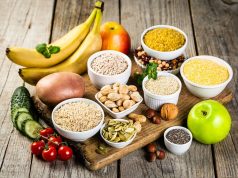










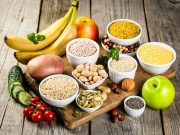









In a world brimming with dietary advice and nutritional trends, setting foot on the path to healthy eating can feel like embarking on an expedition through a dense, uncharted jungle. Yet, amid the cacophony of kale smoothies and quinoa salads, the essence of nourishing our bodies remains a timeless pursuit. Welcome to the “,” where we peel back the layers of complexity to reveal a straightforward, practical approach to making wholesome choices. Whether you’re a curious novice eager to transform your diet or someone seeking to refine their culinary habits, this guide serves as your compass, guiding you through the essentials of nutrition with clarity and ease. Prepare to embark on a journey that celebrates the joy of eating well, empowering you to make informed decisions that nourish both body and soul.
Mastering Meal Prep for a Balanced Diet
Embarking on a journey to healthier eating habits starts with a strategic approach to meal preparation. Meal prep is the art of planning and preparing your meals in advance, allowing you to make healthier choices, save time, and reduce stress throughout the week. Begin by selecting a few versatile recipes that align with your dietary goals and can be easily scaled up. Consider incorporating a variety of colorful vegetables, lean proteins, and whole grains to ensure a balanced intake of nutrients.
- Batch Cooking: Prepare large quantities of staple foods like brown rice, quinoa, or grilled chicken to use in different meals.
- Portion Control: Use containers to divide meals into individual servings, helping you manage portion sizes effectively.
- Smart Storage: Invest in quality, airtight containers to keep your prepped meals fresh and organized in the fridge or freezer.
Additionally, keep your pantry stocked with essentials such as canned beans, nuts, and spices to add flavor and nutrition without extra effort. By setting aside a few hours each week for meal prep, you not only foster a healthier lifestyle but also cultivate a sense of accomplishment as you navigate your daily routines with ease and confidence.

Decoding Nutrition Labels with Confidence
When embarking on a journey toward healthier eating, understanding what goes into your body is crucial. Nutrition labels can be a maze of numbers and scientific terms, but breaking them down is easier than you think. Start by focusing on the serving size; this sets the baseline for all other nutritional values listed. Keep an eye on the calories per serving, especially if you’re watching your energy intake. It’s also wise to scan the % Daily Value (%DV) to see how much a nutrient in a serving of food contributes to a daily diet. Aim for high %DV in vitamins, minerals, and dietary fiber, and lower %DV in saturated fat, sodium, and added sugars.
When deciphering ingredients, look for short, simple lists where whole foods take precedence. Be cautious of terms like “partially hydrogenated oils” which indicate trans fats, or “high fructose corn syrup,” a common added sugar. Here’s a quick guide to help you spot healthier options:
- Whole Grains: Opt for products where whole grains are the first ingredient.
- Added Sugars: Look for natural sweeteners like honey or maple syrup.
- Healthy Fats: Seek out sources of unsaturated fats, such as olive oil or nuts.
With practice, reading nutrition labels becomes second nature, empowering you to make informed food choices that align with your health goals.

Exploring Plant-Based Alternatives for Better Health
Embracing plant-based alternatives can be a transformative step towards enhancing your health. With a focus on whole, nutrient-dense foods, this approach not only nourishes the body but also supports sustainable living. When beginning your journey, consider incorporating a variety of fruits and vegetables, which are rich in essential vitamins and minerals. Additionally, explore the world of legumes like lentils and chickpeas, which provide a robust source of protein and fiber.
- Whole Grains: Swap refined grains for whole grains such as quinoa, brown rice, and oats to boost your intake of complex carbohydrates and fiber.
- Nuts and Seeds: A handful of almonds or chia seeds can add healthy fats and protein to your diet, aiding in satiety and heart health.
- Plant-Based Milks: Almond, soy, and oat milk offer dairy-free alternatives that are often fortified with calcium and vitamin D.
- Meat Substitutes: Products made from soy, tempeh, or mushrooms can mimic the texture and flavor of meat, making the transition smoother.
By gradually introducing these elements into your meals, you not only diversify your diet but also support a more balanced and health-conscious lifestyle. Remember, the key is to experiment and discover what combinations and flavors best suit your personal tastes and nutritional needs.

Crafting Your Personal Healthy Eating Plan
Embarking on a journey towards healthier eating doesn’t have to be daunting. Start by identifying your specific nutritional needs and lifestyle preferences. Consider factors such as dietary restrictions, activity levels, and personal health goals. Once you have a clear understanding of these elements, you can begin to tailor your meals accordingly. For instance, if you’re aiming to increase your energy levels, focus on incorporating complex carbohydrates and lean proteins into your diet. If weight management is your goal, prioritize portion control and nutrient-dense foods.
To make the process smoother, keep these key elements in mind:
- Balance: Ensure your meals include a variety of food groups, providing essential nutrients.
- Moderation: Enjoy treats in moderation and avoid extreme restrictions that can lead to cravings.
- Mindfulness: Pay attention to hunger cues and savor your meals without distractions.
- Preparation: Plan your meals ahead of time to avoid last-minute unhealthy choices.
By thoughtfully integrating these principles, you’ll craft a sustainable and personalized eating plan that nourishes both body and mind.