

















In the intricate symphony of life, where each cell plays a vital role in the grand orchestration of our existence, the presence of antioxidants emerges as a silent guardian, a conductor ensuring harmony and vitality. Picture a bustling metropolis at the microscopic level, where cells engage in constant activity, producing energy, building tissues, and repairing damage. Yet, amidst this vibrant life, the relentless forces of oxidative stress loom, threatening to disrupt the balance and accelerate the aging process. Enter antioxidants, the unsung heroes in this cellular narrative, wielding their protective powers to neutralize free radicals and fortify cell health. This article delves into the crucial role these compounds play, exploring how they safeguard our cellular metropolis and contribute to the overall well-being of the human body. Join us as we uncover the science and significance of antioxidants, and their indispensable role in maintaining the delicate equilibrium of life at its most fundamental level.
Understanding Antioxidants: Natures Cellular Shield
In the intricate world of cellular biology, antioxidants stand as vigilant guardians, warding off the persistent threats posed by free radicals. These naturally occurring compounds play a pivotal role in maintaining the delicate balance of cellular health. By neutralizing free radicals, antioxidants prevent these unstable molecules from causing oxidative stress, which can lead to cellular damage and contribute to the development of various diseases.
Key sources of antioxidants include:
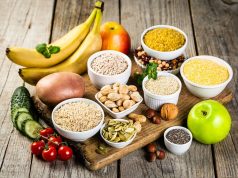
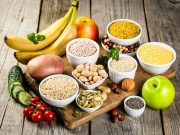
- Fruits and vegetables such as berries, oranges, and leafy greens.
- Nuts and seeds like almonds and sunflower seeds.
- Beverages including green tea and red wine.
- Herbs and spices such as turmeric and cinnamon.
Incorporating these foods into your diet can bolster your body’s natural defense system, promoting overall wellness and resilience against cellular degeneration.
The Science Behind Antioxidants and Cellular Defense
At the heart of cellular defense lies a fascinating interplay of molecules, each playing a crucial role in maintaining the health and longevity of our cells. Antioxidants are remarkable compounds that safeguard cells against the relentless assault of free radicals—unstable molecules that can wreak havoc on cellular structures. By neutralizing these free radicals, antioxidants help prevent oxidative stress, a condition linked to a myriad of health issues, including aging and chronic diseases.
- Vitamin C: A water-soluble antioxidant that supports the immune system and promotes collagen production.
- Vitamin E: A fat-soluble antioxidant that protects cell membranes from oxidative damage.
- Beta-carotene: A precursor to vitamin A, vital for vision and immune function.
- Selenium: A mineral that enhances antioxidant enzyme activity.
- Flavonoids: Plant compounds with powerful antioxidant properties found in fruits, vegetables, and teas.
These antioxidants work synergistically to form a robust defense system, shielding cells from damage and promoting optimal health. By incorporating a variety of antioxidant-rich foods into your diet, you can enhance your body’s natural defense mechanisms and support cellular vitality.

Incorporating Antioxidant-rich Foods into Your Diet
To bolster your cellular defenses, integrating foods rich in antioxidants into your daily meals can be both delightful and beneficial. These powerful compounds help neutralize free radicals, thereby reducing oxidative stress and promoting cellular longevity. A variety of vibrant, natural foods can effortlessly be included in your diet to enhance your antioxidant intake. Consider the following suggestions:
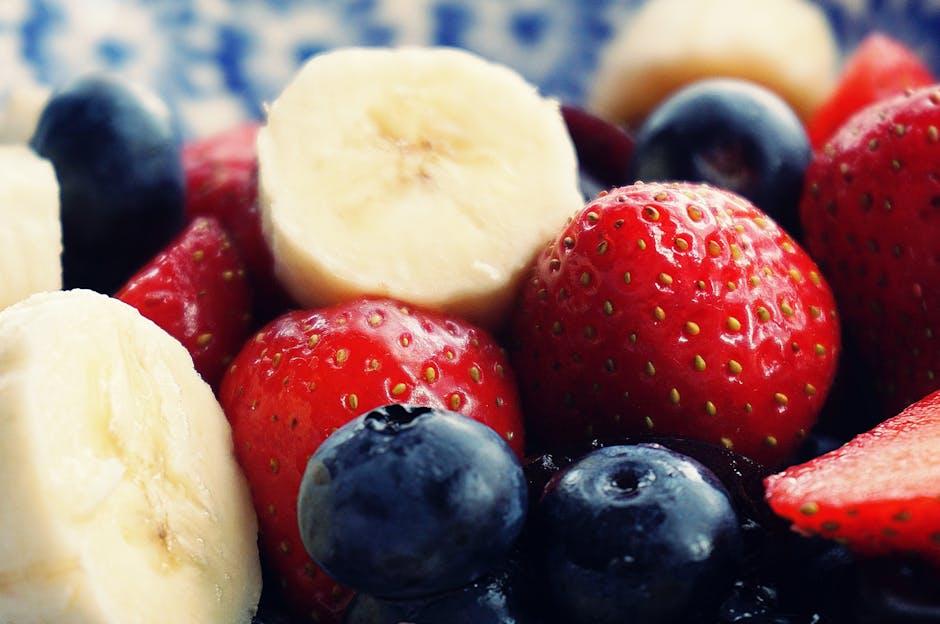
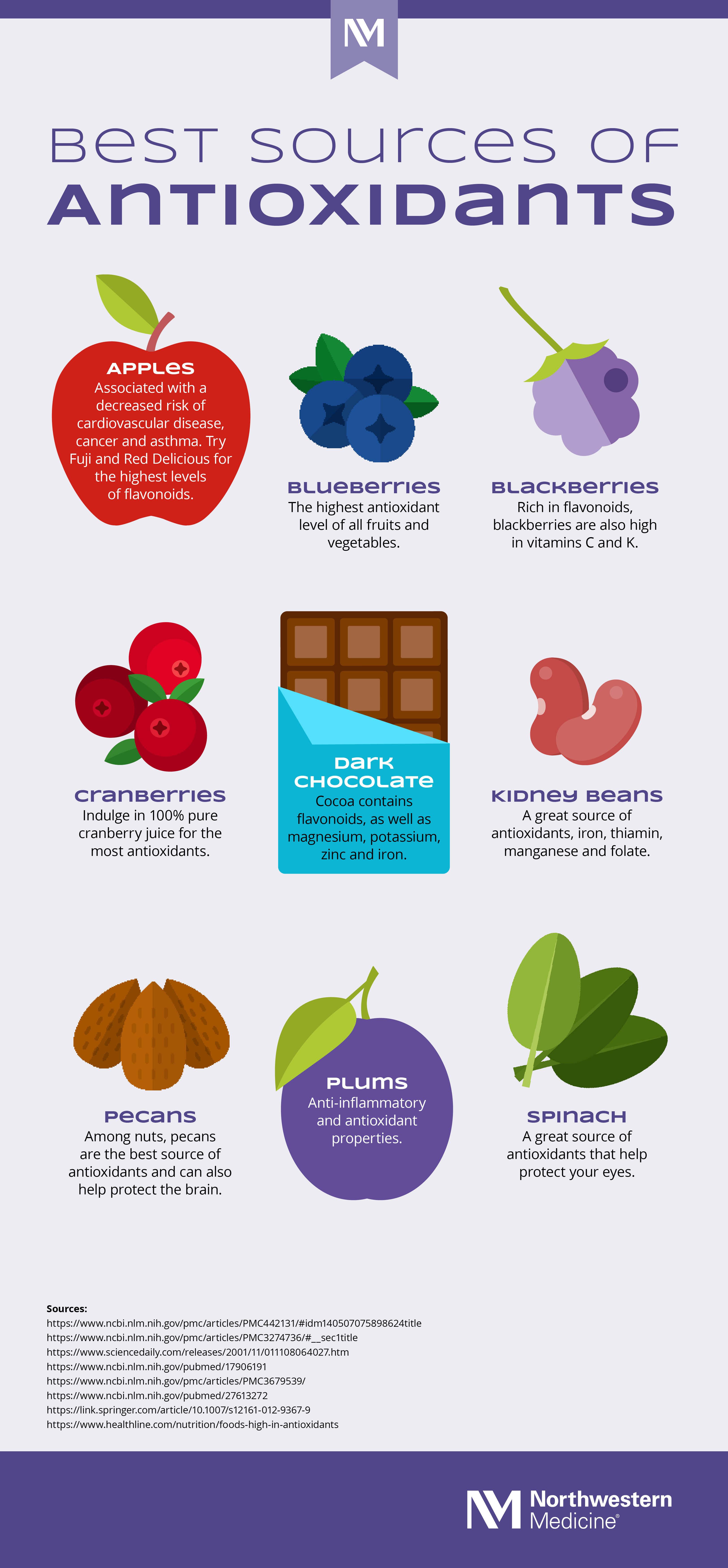
- Berries: Blueberries, strawberries, and raspberries are packed with flavonoids and vitamin C, making them a delicious addition to your morning cereal or yogurt.
- Leafy Greens: Spinach and kale are not only nutrient-dense but also high in lutein and zeaxanthin, essential for eye health.
- Nuts and Seeds: Almonds, walnuts, and sunflower seeds provide vitamin E, which plays a crucial role in protecting cell membranes.
- Dark Chocolate: Rich in polyphenols, dark chocolate is a delightful treat that supports heart health when consumed in moderation.
- Green Tea: Known for its catechins, green tea is a refreshing beverage that offers a gentle antioxidant boost.
By creatively incorporating these antioxidant-rich foods into your meals, you not only enhance the flavors but also fortify your body’s natural defense mechanisms. Explore new recipes and combinations to make your journey towards better cell health both enjoyable and sustainable.

Practical Tips for Boosting Your Antioxidant Intake
Enhancing your diet with antioxidant-rich foods is a flavorful and nutritious way to support your cellular health. Here are some practical ways to incorporate more of these vital nutrients into your daily routine:
- Start Your Day with a Smoothie: Blend spinach, blueberries, and a scoop of chia seeds for a powerful antioxidant punch. Consider adding a teaspoon of matcha or spirulina for an extra boost.
- Snack Smart: Keep a mix of nuts and dried fruits on hand. Almonds, walnuts, and dried cranberries are not only delicious but also packed with antioxidants.
- Color Your Plate: Aim to fill half your plate with colorful fruits and vegetables. Think of bright bell peppers, tomatoes, and leafy greens to maximize your intake.
- Spice It Up: Incorporate spices like turmeric, ginger, and cinnamon into your meals. These not only add flavor but are also rich in antioxidants.
By making small, consistent changes, you can significantly boost your antioxidant intake, helping to protect your cells and promote overall well-being.