



















In a world where culinary innovation dances with tradition, the rise of plant-based meats has captured the imagination of food enthusiasts and health-conscious individuals alike. As grocery aisles brim with these novel creations, crafted to mimic the taste and texture of their animal-based counterparts, a question simmers on the back burner: Are plant-based meats truly the healthy alternatives they claim to be? This exploration delves into the heart of this modern dietary dilemma, peeling back the layers of marketing and science to uncover the nutritional truths and myths behind this burgeoning trend. Whether you’re a seasoned vegan, a curious carnivore, or simply an inquisitive eater, join us as we navigate the complexities of plant-based meats and their place on our plates.
Understanding the Nutritional Profile of Plant-Based Meats
Plant-based meats have surged in popularity as a healthier and more sustainable alternative to traditional animal-based products. These innovative food items often derive their protein content from sources like peas, soy, and wheat, offering a substantial amount of essential amino acids. While they often contain less saturated fat compared to their animal counterparts, it’s important to consider other components of their nutritional profile. For instance, many plant-based meats are fortified with vitamins and minerals, such as B12, iron, and zinc, to mimic the nutritional benefits of meat. However, the sodium content can be notably high, a factor that health-conscious consumers should keep an eye on.
- Protein Sources: Pea protein, soy protein, wheat gluten
- Fortified Nutrients: Vitamin B12, iron, zinc
- Potential Drawbacks: Higher sodium levels, presence of additives
In addition to their nutritional components, plant-based meats often employ innovative technologies to replicate the taste and texture of traditional meats. This includes the use of natural flavorings and binding agents to enhance the sensory experience. While these products are designed to be convenient and tasty, it’s crucial for consumers to read labels carefully and consider the overall dietary context. Moderation and balance remain key, as with any food choice, ensuring that plant-based meats are part of a varied and balanced diet.
Exploring the Health Benefits and Concerns of Meat Alternatives
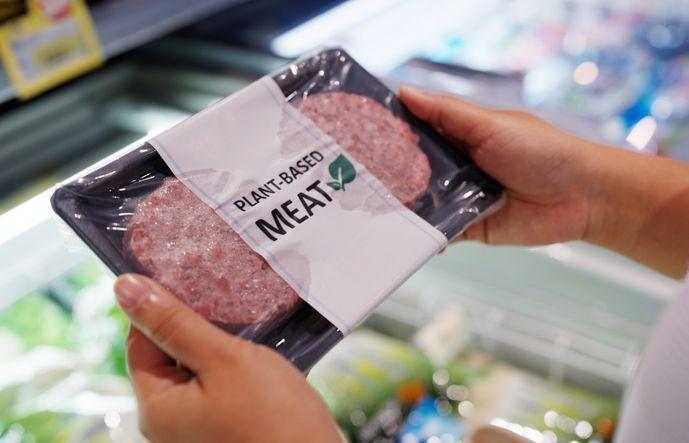
In recent years, the rise of plant-based meats has sparked widespread interest and debate. These alternatives, crafted from ingredients like soy, pea protein, and mushrooms, promise to mimic the taste and texture of traditional meat while offering a more sustainable option. But are they truly a healthier choice? Nutritional profiles of these products vary, but many are designed to offer a comparable amount of protein to their meat counterparts. They often contain less saturated fat and zero cholesterol, which can be beneficial for heart health. Moreover, plant-based meats can be rich in fiber, an essential nutrient often lacking in animal products.
- Environmental Impact: They generally have a lower carbon footprint and require fewer natural resources compared to conventional meat production.
- Dietary Preferences: These products provide a viable option for vegetarians, vegans, and flexitarians looking to reduce meat consumption.
However, some concerns linger. Highly processed ingredients and added sodium in many plant-based meats can be a drawback for those seeking whole-food options. It’s important to read labels carefully and understand that not all plant-based meats are created equal. Moderation and balance remain key, as these alternatives can fit into a healthy diet when chosen wisely and consumed alongside a variety of other nutrient-rich foods.

Comparing Plant-Based Meats to Traditional Animal Products
In the realm of dietary choices, the debate between plant-based meats and traditional animal products continues to stir curiosity and discussion. On one hand, plant-based meats offer a cruelty-free alternative that aligns with ethical and environmental concerns. They are often lower in saturated fats and provide a source of dietary fiber, which is absent in animal products. Some popular plant-based options include:
- Beyond Meat – known for its pea protein base and beet juice colorant.
- Impossible Foods – utilizes soy and potato proteins, with heme for that authentic meat flavor.
- Quorn – made from mycoprotein, a type of fungus-derived protein.
Conversely, traditional animal products are often rich in essential nutrients such as vitamin B12, heme iron, and omega-3 fatty acids, which are either absent or found in smaller quantities in plant-based alternatives. Additionally, the flavor and texture of real meat can be difficult to replicate fully, which remains a consideration for those prioritizing taste. As with any dietary choice, balancing nutritional benefits with personal values and health goals is key.

Guidelines for Incorporating Plant-Based Meats into a Balanced Diet
Incorporating plant-based meats into your diet can be a delicious and nutritious choice, but it’s important to do so thoughtfully to maintain a balanced diet. Here are some guidelines to help you integrate these alternatives seamlessly:
- Read Labels Carefully: Not all plant-based meats are created equal. Check for sodium, saturated fats, and added sugars to ensure you’re choosing healthier options.
- Balance Your Plate: Pair plant-based meats with a variety of vegetables, whole grains, and legumes to ensure you’re getting a full spectrum of nutrients.
- Mind the Protein: While plant-based meats can be a good source of protein, supplement with other plant proteins like beans, lentils, and tofu to meet your daily needs.
- Watch Portions: Just like traditional meats, it’s easy to overconsume. Keep portions in check to maintain a healthy calorie intake.
Remember, the goal is to enhance your diet with variety and nutrition, not to rely solely on plant-based meats. By following these guidelines, you can enjoy these alternatives while maintaining a balanced and healthy lifestyle.