





















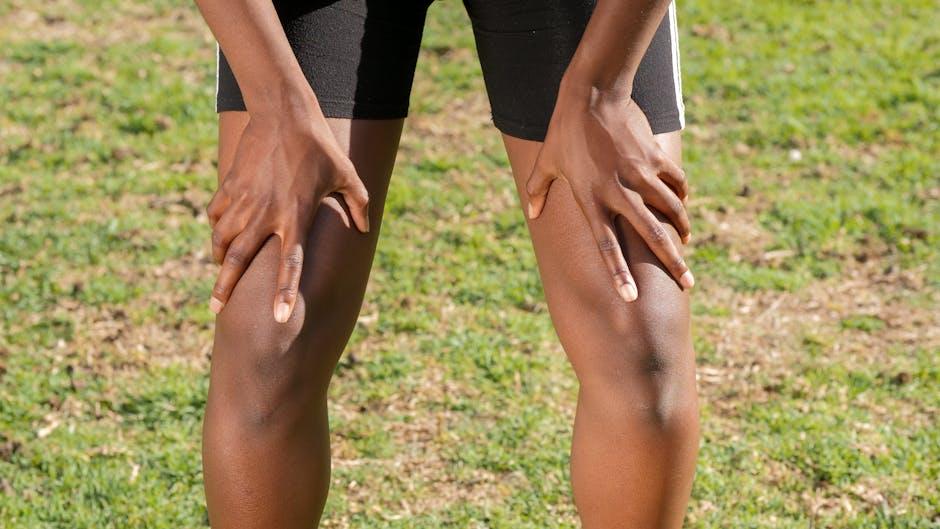
In the rhythmic patter of footsteps on pavement, there’s a question that echoes through the minds of runners and health enthusiasts alike: does running, in its pursuit of health and vitality, secretly undermine the very joints that propel us forward? Knees, those remarkable hinges of human locomotion, bear the brunt of our ambitions, enduring countless miles and varied terrains. As each stride carries us closer to our fitness goals, a lingering concern shadows our progress: are we sacrificing our knees at the altar of cardiovascular health? This article delves into the heart of the matter, exploring the intricate relationship between running and knee health, guided by scientific inquiry and expert perspectives. Join us as we unravel the truth behind the age-old debate and uncover whether the path to well-being is paved with risk or resilience.
Understanding the Impact of Running on Knee Health
Running has often been scrutinized for its potential effects on knee health, sparking debates and studies around the globe. However, the impact of running on knees isn’t as straightforward as it might seem. Studies suggest that moderate running can actually be beneficial for knee joints, promoting cartilage health and improving joint function. This is due to the increased blood flow and nutrients that help maintain the cartilage, which acts as a cushion between bones. Yet, it’s crucial to consider the nuances of individual health conditions and running habits.
Several factors play a role in how running affects the knees:
- Running Surface: Softer surfaces like grass or dirt trails can reduce impact compared to asphalt or concrete.
- Shoe Type: Wearing proper running shoes that provide adequate support and cushioning can mitigate stress on the knees.
- Running Form: Good posture and technique can help distribute impact evenly across the body, lessening the load on the knees.
- Training Volume: Gradually increasing running distance and intensity allows the body to adapt, potentially reducing the risk of injury.
Ultimately, the relationship between running and knee health is complex, shaped by a variety of factors that can either contribute to or protect against knee damage. For those concerned about knee health, incorporating strength training and flexibility exercises can further support joint stability and function.

Exploring the Science: Myths and Facts About Running and Knee Damage
Running has long been a subject of debate when it comes to knee health. Let’s delve into some common misconceptions and the actual science behind them.
- Myth: Running inevitably leads to knee damage.
Fact: Research suggests that recreational running does not increase the risk of knee osteoarthritis and may actually strengthen the joints. - Myth: More running means more wear and tear.
Fact: The body adapts to regular running by strengthening muscles and ligaments, which can help support and protect the knees. - Myth: Knee pain is always a sign of injury.
Fact: Not all knee pain is indicative of serious injury; often, it can be a sign of muscle imbalance or overuse, which can be managed with proper training and rest.
Understanding these nuances allows runners to approach their sport with confidence, ensuring they can enjoy the myriad benefits of running without undue fear of knee damage.
Proactive Strategies for Protecting Your Knees While Running
Running doesn’t have to be a perilous journey for your knees if you adopt proactive strategies. Embrace the power of a well-rounded approach to safeguard your joints and keep your running routine both enjoyable and sustainable. Start with a comprehensive warm-up to prime your muscles and joints for the activity ahead. Consider incorporating dynamic stretches that target your quads, hamstrings, and calves, allowing your knees to ease into the motion of running.
Investing in the right gear is another crucial step. Select a pair of high-quality running shoes that offer adequate cushioning and support tailored to your foot type. This can significantly reduce the impact on your knees. Additionally, integrating strength training exercises into your routine can fortify the muscles surrounding the knees, offering enhanced stability. Consider exercises such as:
- Squats
- Lunges
- Leg curls
- Calf raises
Lastly, pay attention to your running surface. Opt for softer trails or tracks over concrete to minimize impact. By incorporating these strategies, you’ll be well on your way to protecting your knees while continuing to enjoy the myriad benefits of running.
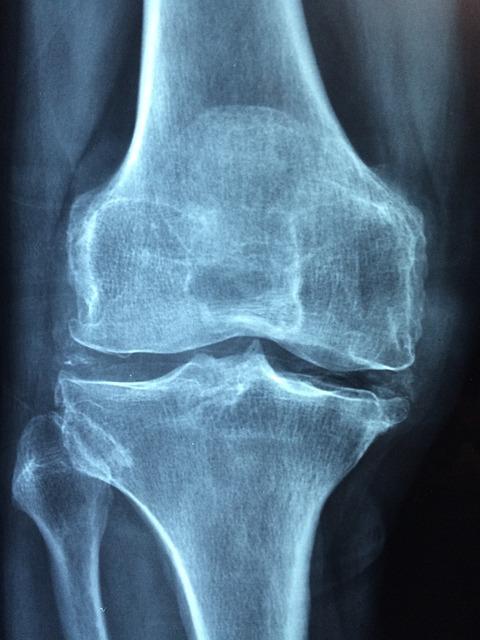
Expert Recommendations for Runners: Maintaining Knee Longevity
To ensure your knees remain in top condition throughout your running journey, experts suggest a few vital practices. First and foremost, focus on strengthening the muscles around the knee. Incorporating exercises like squats, lunges, and leg presses into your routine can help provide better support for your joints. Additionally, flexibility is key; incorporating regular stretching and yoga can enhance your range of motion and reduce strain on your knees.
- Invest in high-quality running shoes with adequate cushioning and support.
- Maintain a balanced diet rich in nutrients that support joint health, such as omega-3 fatty acids and vitamin D.
- Consider cross-training activities like swimming or cycling to reduce repetitive impact on the knees.
- Listen to your body and rest when needed to prevent overuse injuries.
Implementing these strategies can help safeguard your knees, allowing you to enjoy running for years to come without the looming worry of joint degradation.